


Introduction
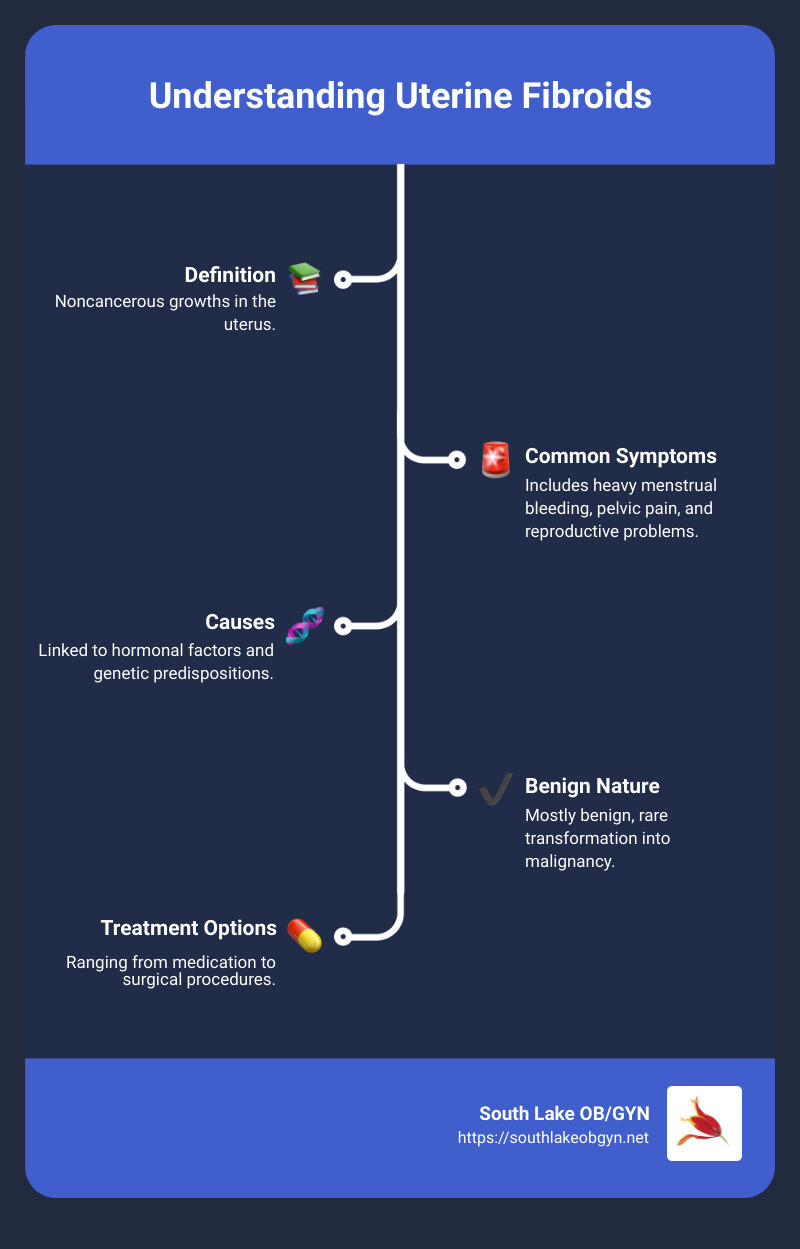
Leiomyoma, commonly known as uterine fibroids, is a term you might come across while exploring conditions related to the uterus. If you’re looking for quick, straightforward answers about this condition, here’s what you need to know: fibroid tumors are noncancerous growths that appear in the uterus during a woman’s reproductive years. They are incredibly common and vary greatly in size and impact. While some women may not experience any symptoms, others could face issues like heavy menstrual bleeding, pelvic pain, and problems during pregnancy.
Fibroids are formed from the smooth muscular tissue of the uterus. A single cell divides repeatedly, creating a rubbery mass distinct from the surrounding tissues. These growths can be so tiny that they are unnoticeable without a microscope or large enough to alter the uterus’s size and shape.
For many, the term “tumor” can sound alarming, but it’s crucial to understand that fibroids are almost always benign, meaning they are not cancerous and rare cases evolve into a malignant form known as leiomyosarcoma. Their cause isn’t entirely understood but is linked to hormonal factors and genetic predispositions.
Having fibroids is not uncommon, and there are various treatment options available that range from medication to surgical procedures, tailored to the severity of the symptoms and the individual’s health goals, such as the desire for future pregnancies.
In a friendly, professional environment like South Lake OB/GYN, open communication and personalized care are paramount. If you suspect you might have fibroids, or if you’re experiencing related symptoms, a compassionate and knowledgeable team is here to support you through diagnosis and treatment, ensuring you feel informed and cared for at every step.
Understanding Fibroids
When we talk about fibroids, we’re referring to a common health issue many women face, but what exactly are they? Let’s break it down into simpler terms.
Definition: Fibroids are growths that appear in or on your uterus. Imagine them as little noncancerous lumps that can vary in size. Some are so small you’d never know they were there, while others can grow large enough to change the shape of your uterus.
Benign Nature: The key thing to remember about fibroids is that they’re almost always benign. This means they’re not cancerous. While the word “tumor” can sound scary, fibroid tumors are generally not a threat to your life. However, they can still cause discomfort and other issues that might need attention.
Smooth Muscle Tumors: Fibroids are made up of smooth muscle cells and fibrous connective tissue. Think of them as balls of muscle and fibers that have decided to make a home in your uterus. They’re the most common tumors within the reproductive system but, again, they’re usually not harmful in a cancerous sense.
Uterine Location: As their full name “uterine fibroids” suggests, these growths are found in the uterus. This is the place in a woman’s body where a baby would grow during pregnancy. Fibroids can grow on the outside of the uterus, within its walls, or even in the inner cavity. Their location, along with their size, can affect the kind of symptoms you might experience.
In a place like South Lake OB/GYN, understanding what fibroids are is the first step in managing them. Whether it’s through a regular check-up or addressing specific symptoms, knowing about the benign nature and typical locations of fibroids can help guide the conversation towards the best treatment options for you. Next, we’ll dive into the symptoms these fibroids might cause, so you can be better informed about what to watch for and when to seek help.
Symptoms of Fibroids
When fibroids make themselves known, they don’t whisper; they can shout, with symptoms that can significantly impact your daily life. Let’s break down the common signs:
Heavy Bleeding: This isn’t your typical period. Imagine your heaviest day, then multiply it. You might find yourself changing pads or tampons more often than usual, and your period may last longer than a week.
Painful Periods: We’re not talking about mild cramps that an over-the-counter painkiller can fix. This pain can be severe enough to disrupt your day-to-day activities.
Pelvic Pressure: It’s like an invisible weight resting in your pelvic area, causing discomfort that just doesn’t seem to go away.
Frequent Urination: You might find yourself needing to go to the bathroom all the time, even if you haven’t been drinking more fluids than usual.
Pain During Sex: Intimacy is supposed to bring pleasure, not pain. But fibroids can change that, making sex uncomfortable or even painful.
Lower Back Pain: It’s not just an achy back from a long day. This pain can persist and make it hard to find a comfortable sitting or sleeping position.
Reproductive Problems: Fibroids can make getting pregnant more difficult, and if you are able to conceive, they might cause complications during pregnancy.
In a supportive environment like South Lake OB/GYN, identifying these symptoms early on can lead to more effective management and treatment of fibroids. Recognizing what’s normal for your body and what’s a sign of something more can make all the difference in your health journey. If you’re experiencing any of these symptoms, it’s important to have an open dialogue with your healthcare provider to explore the best course of action for you.
Moving forward, we’ll look into how fibroids are diagnosed, utilizing the latest technologies and methods to provide clarity and direction for your treatment plan.
Diagnosis of Fibroids
Getting to Know What’s Inside
When it comes to diagnosing fibroid tumors, doctors have a few tricks up their sleeves. It’s like being a detective, but for your health. Let’s dive into the tools they use:
Pelvic Exam
This is step one. Your doctor will check your uterus, feeling for any unusual lumps or bumps. Think of it as a hands-on search for clues. It’s simple and quick.
Ultrasound
Next up, the ultrasound. This machine uses sound waves to create a picture of your uterus on a screen. It’s like having a camera that can see through your skin, showing if there are fibroids hiding inside. This test is painless and pretty fast.
MRI
The MRI is like the ultrasound’s big brother. It uses magnets and radio waves to get a very detailed image of your uterus. This is especially helpful if the ultrasound wasn’t clear or if the doctor needs more information. It’s a bit like having a high-definition map of your insides.
Hysteroscopy
Now, this one’s a bit more involved. A doctor uses a tiny camera to look inside your uterus. This camera goes in through your vagina and cervix, so there’s no need for cuts or incisions. It’s a way for doctors to get a close-up view and see exactly what’s going on inside.
Laparoscopy
Lastly, we have laparoscopy. This is a minor surgery where a doctor makes a small cut near your belly button and inserts a camera. It’s a bit more invasive but gives a great view of the outside of your uterus. This is used when doctors think there might be more to your fibroid story.
Each of these methods gives doctors a different piece of the puzzle. By putting all these pieces together, they can figure out the best way to help you. The goal is to get you feeling better and back to your normal self.
In the next section, we’ll explore the various treatment options available for managing and potentially removing fibroids. Whether you’re looking for a medicinal approach or surgical intervention, understanding your options is key to making informed decisions about your health. Stay tuned as we dive deeper into how South Lake OB/GYN can support you through this journey.
Treatment Options for Fibroids
When it comes to treating fibroid tumors, there’s no one-size-fits-all solution. The best approach depends on your unique situation, including the size and location of your fibroids, your symptoms, and your future reproductive plans. At South Lake OB/GYN, we’re here to guide you through your options, ensuring you’re well-informed and comfortable with your treatment plan.
Medicinal Treatments
For those experiencing mild symptoms, medication may be the first line of defense. Here’s a quick look at some of the most common options:
- Anti-inflammatory painkillers like ibuprofen can help manage pain, especially during your period.
- Oral contraceptives can regulate or reduce heavy bleeding.
- Gonadotropin-releasing hormone (GnRH) agonists work by temporarily putting you in a menopause-like state, reducing estrogen levels and shrinking fibroids.
While these medications can alleviate symptoms, they don’t eliminate fibroids.
Surgical Treatments
When medication isn’t enough, or if your fibroids are large, surgery may be recommended.
Myomectomy is a procedure to remove fibroids while preserving the uterus, making it a preferred option for women who wish to have children in the future. The method (laparoscopic, hysteroscopic, or traditional) depends on the fibroids’ size and location.
Hysterectomy involves removing the uterus and is the only definitive cure for fibroids. This procedure is generally considered when other treatments have failed, fibroids are very large, or if you’re not planning to have children.
Less Invasive Procedures
For those looking for alternatives to traditional surgery, there are several less invasive options:
Uterine Artery Embolization (UAE) works by cutting off the blood supply to fibroids, causing them to shrink and die.
MR-guided Focused Ultrasound is a non-invasive, outpatient procedure that uses high-frequency ultrasound waves to heat and destroy fibroid tissue.
Radiofrequency Ablation uses heat to reduce fibroid size. It’s minimally invasive and can sometimes be done on an outpatient basis.
Each of these treatments has its own set of benefits and risks. At South Lake OB/GYN, we’ll work closely with you to determine the most appropriate treatment based on your specific needs and health goals.
Making the Choice
Deciding on the best treatment option can feel overwhelming, but you’re not alone. We’re here to provide all the information you need to make an informed decision. Whether you prefer a medicinal approach, are considering surgery, or are interested in exploring less invasive procedures, our team is dedicated to supporting you every step of the way.
The goal is to alleviate your symptoms, improve your quality of life, and meet your reproductive goals. Know that South Lake OB/GYN is committed to providing personalized care tailored to your unique needs.
In the next section, we’ll discuss strategies for living with fibroids, including dietary changes, exercise, and pain management techniques. Stay tuned for more insights on how to manage your symptoms and maintain your well-being.
Living with Fibroids
Living with fibroids can be challenging, but with the right strategies, you can manage your symptoms and lead a healthy life. Let’s explore some practical steps you can take, including dietary changes, exercise, pain management, and how South Lake OB/GYN can support you in this journey.
Dietary Changes
What you eat can have a big impact on your fibroid symptoms. While no diet can cure fibroids, certain foods may help manage your symptoms:
- Eat plenty of fruits and vegetables. These are packed with nutrients and fiber, which can help control your weight and reduce fibroid symptoms.
- Cut back on red meat and high-fat dairy products. Some studies suggest that these foods can increase fibroid risk.
- Stay hydrated. Drinking plenty of water can help ease bloating and discomfort.
Exercise
Regular physical activity can help reduce fibroid symptoms. Exercise helps:
- Manage weight. Being overweight can increase your risk of developing fibroids.
- Reduce stress. Stress can aggravate your symptoms. Activities like yoga and walking can help keep stress levels in check.
- Improve overall well-being. Exercise boosts your mood and energy levels, helping you cope better with fibroid symptoms.
Pain Management
Managing pain is a crucial aspect of living with fibroids. Here are some effective strategies:
- Over-the-counter pain relievers. Nonsteroidal anti-inflammatory drugs (NSAIDs) like ibuprofen can help manage pain and reduce menstrual bleeding.
- Heat therapy. Applying a heating pad to your lower abdomen can ease menstrual cramps and pelvic pain.
Monitoring Growth
Keeping an eye on your fibroids is important. Regular check-ups with your healthcare provider can help monitor the size and growth of your fibroids. South Lake OB/GYN offers state-of-the-art imaging services to keep track of your fibroid condition. This proactive approach ensures that any changes in your fibroids are addressed promptly.
South Lake OB/GYN
At South Lake OB/GYN, we’re here to support you in managing your fibroid symptoms. Our team of experts will work with you to create a personalized treatment plan that fits your lifestyle and meets your health goals. Whether it’s through dietary advice, exercise recommendations, pain management strategies, or regular monitoring, we’re dedicated to helping you improve your quality of life.
Our comprehensive approach to fibroid management means you’re not alone in this journey. We believe in open communication and providing a family-like atmosphere, where you can feel comfortable discussing your concerns and asking questions.
Living with fibroids can be challenging, but with the right support and management strategies, you can lead a healthy and fulfilling life. South Lake OB/GYN is committed to being your partner in health, every step of the way.
In the next section, we’ll address some frequently asked questions about fibroids, including their impact on pregnancy and the possibility of treatment without surgery. Stay tuned for valuable insights that can help you navigate your fibroid journey with confidence.
Frequently Asked Questions about Fibroids
Can fibroids lead to cancer?
This is a common concern among many women. The good news is, fibroids are almost always benign, meaning they are not cancerous. The chance of a fibroid being malignant (cancerous) is very rare; less than 1 in 1,000 fibroids turn into cancer, known as leiomyosarcoma. Importantly, having fibroids does not increase your risk of getting uterine cancer.
How do fibroids affect pregnancy?
Many women with fibroids go on to have normal pregnancies and deliveries. However, fibroids can sometimes cause complications. The most common issues include:
- Cesarean section (C-section): The need for a C-section is six times more likely in women with fibroids.
- Breech birth: Fibroids can affect the baby’s position, making vaginal delivery difficult.
- Labor problems: Sometimes labor doesn’t progress as it should.
- Placental abruption: This is when the placenta detaches from the uterus wall before birth, which can be dangerous for the baby.
- Preterm delivery: Fibroids can increase the risk of having the baby too early.
If you’re pregnant and have fibroids, it’s important to work closely with your OB/GYN. They’ll monitor you and your baby to manage any risks.
Can fibroids be treated without surgery?
Yes, not all fibroids need surgery. Treatment depends on several factors like symptom severity, fibroid size, location, and whether you want to have children in the future. Non-surgical options include:
- Medications: Certain drugs can manage symptoms like heavy bleeding or pain. Birth control pills and gonadotropin-releasing hormone agonists (GnRH agonists) are examples.
- Uterine Artery Embolization (UAE): This procedure cuts off the blood supply to fibroids, causing them to shrink.
- MR-guided Focused Ultrasound Surgery (MRgFUS): This non-invasive treatment uses high-frequency ultrasound waves to heat and destroy fibroid tissue.
- Lifestyle changes: Sometimes, making changes to your diet and exercise routine can help manage fibroid symptoms.
Every woman’s situation is unique. South Lake OB/GYN is here to guide you through understanding your condition, exploring all your treatment options, and choosing the best path for you.
Remember that your health and well-being are our top priorities. We’re dedicated to providing personalized care and a family-like atmosphere that makes you feel supported at every turn.
Conclusion
At South Lake OB/GYN, we understand that dealing with fibroid tumors can be a challenging journey. That’s why we place a strong emphasis on personalized care, ensuring that each treatment plan is tailored to your unique needs and health goals. We believe that there’s no one-size-fits-all approach when it comes to your health.
Open communication is at the heart of what we do. We’re committed to listening to your concerns, answering your questions, and keeping you informed every step of the way. Our team is here to provide you with the information you need to make informed decisions about your health.
We also pride ourselves on creating a family-like atmosphere. We understand that dealing with fibroid tumors can be not only physically taxing but emotionally draining as well. Our office is a place where you can feel comfortable, supported, and understood. From our front desk staff to our medical professionals, you’ll find a team that’s compassionate and dedicated to your well-being.
In conclusion, we at South Lake OB/GYN are here to support you through your journey with fibroid tumors, from diagnosis to treatment and beyond. We offer a range of services tailored to your needs, including options like hysterectomy and hysteroscopy, to ensure you receive the care that’s right for you. Your health and comfort are our top priorities, and we’re dedicated to providing you with the best possible care in a warm, welcoming environment. Let us be your partner in health, every step of the way.