


When facing the decision between a hysterectomy vs hysteroscopy, it’s crucial to understand the key differences to make an informed choice. Simply put, a hysterectomy is a surgical procedure to remove the uterus, which can end fertility and bring on early menopause if the ovaries are also removed. On the other hand, a hysteroscopy is a less invasive procedure that allows doctors to look inside your uterus to diagnose and, sometimes, treat certain conditions without removing the uterus. Your choice between these two will depend on various factors, including your medical condition, your future fertility wishes, and your overall health.
Hysterectomy involves removing the uterus and possibly other reproductive organs. It is considered for conditions like fibroids, prolapse, chronic pain, or cancer. It results in infertility.
Hysteroscopy is used to diagnose or treat problems of the uterus. It’s less invasive, recovery is quicker, and it retains fertility.
Choosing between these procedures requires a deep understanding of your health, the severity of your symptoms, and your personal goals regarding fertility and health. At South Lake OB/GYN, we believe in empowering our patients with knowledge to make the best decisions for their health and comfort.

Why Choose Hysteroscopy?
When facing uterine health issues, understanding your options is crucial. Hysteroscopy offers a less invasive approach, often making it an appealing choice for many women. Here’s why:
Less Invasive
Unlike a hysterectomy, which involves removing the uterus, hysteroscopy uses a thin, lighted tube inserted through the vagina to look inside the uterus. This means no large incisions are needed, reducing the risk of infection and scarring.
Quick Recovery
Recovery from hysteroscopy is typically swift. Most women can return to their normal activities within a day or two, compared to the weeks or months it can take to recover from a hysterectomy.
Diagnose and Treat in One Go
Hysteroscopy isn’t just for looking; it can also be used to treat conditions. If the doctor sees something like a polyp or fibroid during the procedure, they can often remove it right then and there.
Heavy Periods & Unusual Bleeding
For women dealing with heavy periods or unusual bleeding, hysteroscopy can be a game-changer. It allows doctors to identify the cause of the bleeding and, in many cases, treat it without the need for more invasive surgery.
Pelvic Pain
Chronic pelvic pain can be debilitating. Hysteroscopy offers a way to explore the possible causes of this pain, such as adhesions (scar tissue) or abnormalities within the uterus, providing a path to relief.
Infertility Issues
For those struggling with infertility, hysteroscopy can help by identifying and treating uterine conditions that may be affecting the ability to conceive.
Fibroids and Polyps
Uterine fibroids and polyps can cause a range of symptoms, from heavy bleeding to pain. Hysteroscopy allows for the direct removal of these growths, often resolving symptoms without the need for a hysterectomy.
In a study comparing hysteroscopy to hysterectomy for treating abnormal uterine bleeding, 78 percent of the hysteroscopy group were completely satisfied with their treatment a year later, with a median recovery time of only two weeks.
At South Lake OB/GYN, we understand that every woman’s health journey is unique. Hysteroscopy offers a less invasive, highly effective option for diagnosing and treating uterine problems, with a focus on quick recovery and minimal disruption to your life. Whether you’re dealing with heavy periods, pelvic pain, or fertility issues, hysteroscopy may provide the answers and relief you’ve been searching for.
In the next section, we’ll explore situations where a hysterectomy might be necessary, comparing the benefits and considerations of each approach to help you make an informed decision.
Why Hysterectomy Might Be Necessary
When facing certain health challenges, a hysterectomy can be a necessary and life-improving procedure. Let’s break down why this might be the right choice for some women, focusing on conditions like uterine fibroids, uterine prolapse, endometriosis, chronic pelvic pain, abnormal bleeding, cancer prevention, and infertility resolution.
Uterine Fibroids
Uterine fibroids are non-cancerous growths that appear in the uterus, often during childbearing years. While many women live with fibroids without symptoms, others may experience heavy bleeding, pain, and fertility issues. When fibroids cause significant discomfort or health risks, a hysterectomy can provide permanent relief.
Uterine Prolapse
This condition occurs when pelvic floor muscles and ligaments stretch and weaken, providing inadequate support for the uterus. The uterus can then descend into the vaginal canal, causing discomfort and other issues like incontinence. A hysterectomy can resolve uterine prolapse and improve quality of life.
Endometriosis
Endometriosis is a painful disorder where tissue similar to the lining inside the uterus grows outside of it, causing pain and leading to infertility in some cases. When other treatments fail, a hysterectomy might be considered to alleviate pain and symptoms permanently.
Chronic Pelvic Pain
Chronic pelvic pain can have many causes, and when it’s linked to the uterus, a hysterectomy may be a viable solution after other treatments have been tried without success.
Abnormal Bleeding
Heavy, prolonged, or unpredictable menstrual cycles can drastically affect a woman’s quality of life. When these symptoms are due to issues that can’t be resolved with less invasive treatments, a hysterectomy can provide a definitive solution.
Cancer Prevention
For women at high risk of certain cancers due to genetic factors or precancerous conditions of the uterus, a hysterectomy can be a proactive measure to prevent cancer from developing.
Infertility Resolution
While a hysterectomy ends the possibility of pregnancy, it may be recommended in severe cases where uterine problems prevent the success of infertility treatments.
Every woman’s situation is unique, and the decision to undergo a hysterectomy is significant. While it can provide relief from many painful and debilitating conditions, consider all options. Advances in medical technology offer various less invasive treatments that might be suitable depending on the condition and its severity. Consulting with a healthcare provider, like those at South Lake OB/GYN, can help you navigate these choices and decide the best course of action for your health and well-being.
In the next section, we’ll delve into the recovery and risks associated with hysterectomy compared to other treatments, providing you with comprehensive information to make an informed decision.
Comparing Recovery and Risks
When it comes to choosing between a hysterectomy and hysteroscopy, two key factors to consider are the recovery process and the potential risks involved. Let’s break these down in simple terms to help you understand what each procedure entails.
Recovery Time
Hysterectomy: This is a major surgery. Most women need to stay in the hospital for a few days. Full recovery can take several months. You’ll need to take it easy and avoid heavy lifting or strenuous activities during this time.
Hysteroscopy: Much less invasive than a hysterectomy. Most women recover fully within a week or two. It’s common to go home the same day of the procedure. You might need to avoid sports and sexual activity for a few days, but you’ll be back to your routine quickly.
Hospital Stay
Hysterectomy: Requires a hospital stay of a few days. This allows your medical team to monitor your recovery and manage any immediate post-operative pain or complications.
Hysteroscopy: Often done as an outpatient procedure. This means you can go home the same day, making it a more convenient option for many women.
Risks and Complications
Both procedures carry risks, though they vary significantly in scope and severity.
Hysterectomy Risks: Includes bleeding, infection, injury to surrounding organs, and the risks associated with general anesthesia. Long-term risks include urinary incontinence, vaginal prolapse, and the formation of scar tissue that could lead to bowel obstruction.
Hysteroscopy Risks: Much lower risk profile. Complications could include infection, bleeding, or perforation of the uterus. However, these are rare.
Specific Concerns
Incontinence and Prolapse: Following a hysterectomy, the risk of urinary incontinence and vaginal prolapse is increased. These conditions often develop many years after the surgery and can significantly impact quality of life.
Fistula Surgery and Bladder and Bowel Dysfunction: While rare, fistulas (abnormal connections between organs) can occur after a hysterectomy, requiring further surgery. Bladder and bowel dysfunction are also potential long-term risks.
In summary, while hysterectomy can be a necessary and life-saving procedure for certain conditions, it is associated with a longer recovery period and a higher risk of complications compared to hysteroscopy. Hysteroscopy offers a less invasive alternative, with a much quicker recovery and lower risk profile, making it an attractive option for treating specific uterine conditions.
As always, the choice between hysterectomy and hysteroscopy should be made in consultation with your healthcare provider, taking into account your specific medical situation, overall health, and personal preferences. At South Lake OB/GYN, our team is here to provide you with the information and support you need to make the best decision for your health and well-being.
In the next section, we’ll explore some frequently asked questions about hysterectomy and hysteroscopy to further aid in your understanding and decision-making process.
Alternatives and Advances in Treatment
When it comes to treating uterine conditions, the medical field has made significant strides in offering alternatives that are less invasive and come with quicker recovery times. Let’s dive into some of these options.
Laparoscopic Hysterectomy
A step away from the traditional approach, laparoscopic hysterectomy involves making small incisions in the abdomen to remove the uterus. This method is much less invasive, leading to shorter hospital stays and faster recovery times. Studies show that, on average, surgery time might be longer compared to traditional methods, but the benefits of less pain and quicker return to daily activities are clear.
Robotic-assisted Surgery
Taking laparoscopic surgery a notch higher, robotic-assisted surgery offers precision that manual procedures might not match. Using robotic arms, surgeons can perform complex surgeries with increased accuracy. This technology has shown to reduce hospital stays and potentially offer better outcomes for patients. However, it’s important to note that the cost and availability of such advanced treatments can vary.
Minimally Invasive Options
Beyond specific surgeries, the term minimally invasive options encompasses a variety of treatments designed to reduce recovery time and complications. These include procedures like hysteroscopic myomectomy for fibroids, which can be less traumatic than traditional myomectomy and allow for a quicker return to normal activities.
Endometrial Ablation
For women struggling with heavy menstrual bleeding, endometrial ablation presents a less invasive alternative to hysterectomy. This procedure destroys the uterine lining, significantly reducing or even stopping menstrual flow. It’s a quick procedure, often done in an outpatient setting, allowing patients to go home the same day.
Myomectomy
When fibroids are the issue, but a woman wishes to retain her uterus, myomectomy is a procedure that removes fibroids while leaving the uterus intact. This can be done through traditional surgery, laparoscopically, or even hysteroscopically, depending on the size and location of the fibroids. It’s a preferred option for women who may consider pregnancy in the future.
Contraceptive Implant
On the preventive side, the contraceptive implant is an advanced option for managing menstrual symptoms and reducing the risk of certain uterine conditions. While not a treatment per se, it’s an important consideration for long-term reproductive health.
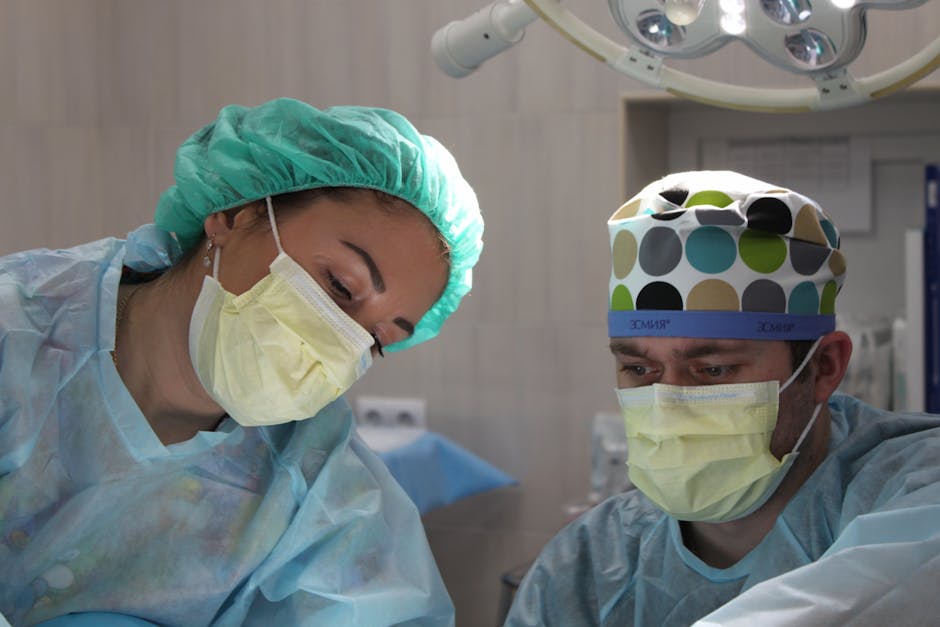
In conclusion, the landscape of treatments for uterine conditions has evolved significantly. From laparoscopic and robotic-assisted surgeries to non-surgical options like endometrial ablation, women today have a range of choices that prioritize safety, effectiveness, and quality of life.
As we move forward to the Frequently Asked Questions section, every woman’s health journey is unique. The best treatment option is one that aligns with your personal health goals and conditions. At South Lake OB/GYN, we’re committed to guiding you through these choices, ensuring you’re informed and supported every step of the way.
Frequently Asked Questions about Hysterectomy and Hysteroscopy
When it comes to understanding the differences and applications of hysterectomy vs hysteroscopy, several common questions arise. Let’s tackle some of these to help clarify which procedure might be right for you and what you can expect.
Why would a woman need a hysteroscopy?
A woman may need a hysteroscopy for several reasons, all centered around diagnosing or treating problems within the uterus. This procedure allows doctors to look inside your uterus with a tool called a hysteroscope. Some common reasons include:
- Heavy or unusual bleeding that can’t be explained by regular exams.
- Pelvic pain that suggests issues within the uterus.
- Fibroids and polyps, which are growths that can cause pain or bleeding.
- Infertility issues, where a hysteroscopy can help find if there are problems inside the uterus affecting a woman’s ability to become pregnant.
Why is a hysterectomy not recommended in some cases?
A hysterectomy, which involves removing the uterus, is a major surgery. It’s not recommended in some cases due to the significant impact it can have on a woman’s body and life. Here are a few reasons why:
- Age and future family plans: If a woman wants to have children in the future, a hysterectomy would make that impossible since the uterus is removed.
- Recovery time: It’s a major surgery with a longer recovery period compared to less invasive options like a hysteroscopy.
- Potential for complications: Like any major surgery, there are risks involved, including infection, bleeding, and reactions to anesthesia.
- Alternative treatments available: Often, conditions that might initially suggest a need for a hysterectomy can be treated with less invasive methods.
What happens to the uterus after hysteroscopy?
After a hysteroscopy, the uterus remains intact. This procedure is minimally invasive and primarily diagnostic. It allows doctors to identify and sometimes treat conditions without making any incisions. If a small issue, like a polyp or fibroid, is found during the procedure, it can sometimes be removed then and there, using instruments passed through the hysteroscope. Post-procedure, you might experience some light bleeding or cramping, but these symptoms are typically mild and short-lived. The uterus heals quickly, and most women return to their normal activities within a day or two.
Whether a hysteroscopy or a hysterectomy is right for you depends on your specific health situation. At South Lake OB/GYN, we’re dedicated to providing you with the information and support you need to make the best decision for your health and well-being.
Conclusion
Making an informed choice about your health care, especially when it involves procedures like hysterectomy vs hysteroscopy, requires understanding the benefits, risks, and recovery associated with each. It’s about weighing what’s right for your specific situation and future health goals.
At South Lake OB/GYN, we believe in empowering you with knowledge so you can confidently navigate these choices. Our team is here to guide you through every step, from initial consultation to post-procedure care. We understand the importance of personalized treatment plans and are committed to offering options that best suit your unique needs.
Choosing between a hysteroscopy and a hysterectomy is not just a medical decision; it’s a personal one that can impact your life in many ways. Here are a few key takeaways to remember:
- Hysteroscopy is less invasive, offers a quicker recovery, and can both diagnose and treat issues without removing the uterus.
- Hysterectomy may be necessary for more severe conditions but involves a longer recovery and more risks. It’s often considered when other treatments haven’t been successful.
- Alternatives and advances in treatment mean more options are available than ever before, including minimally invasive procedures that can offer solutions with fewer risks and shorter recovery times.
At South Lake OB/GYN, our goal is to provide you with the highest level of care and support, no matter which path you choose. We’re here to answer all your questions, provide detailed information on your options, and help you make the best decision for your health and happiness.
Your well-being is our top priority, and we’re dedicated to helping you achieve the best possible outcomes. If you’re facing a decision about a hysteroscopy or hysterectomy, we invite you to reach out to us. Let’s work together to find the solution that’s right for you.
You’re not alone in this journey. With the right team and the right information, you can make the choice that’s best for you and your future. South Lake OB/GYN is here to support you every step of the way.