


Pregnancy is a beautiful journey, but it comes with its unique challenges. One common issue many women face is round ligament pain. This discomfort often catches expectant mothers by surprise and can be quite unsettling.
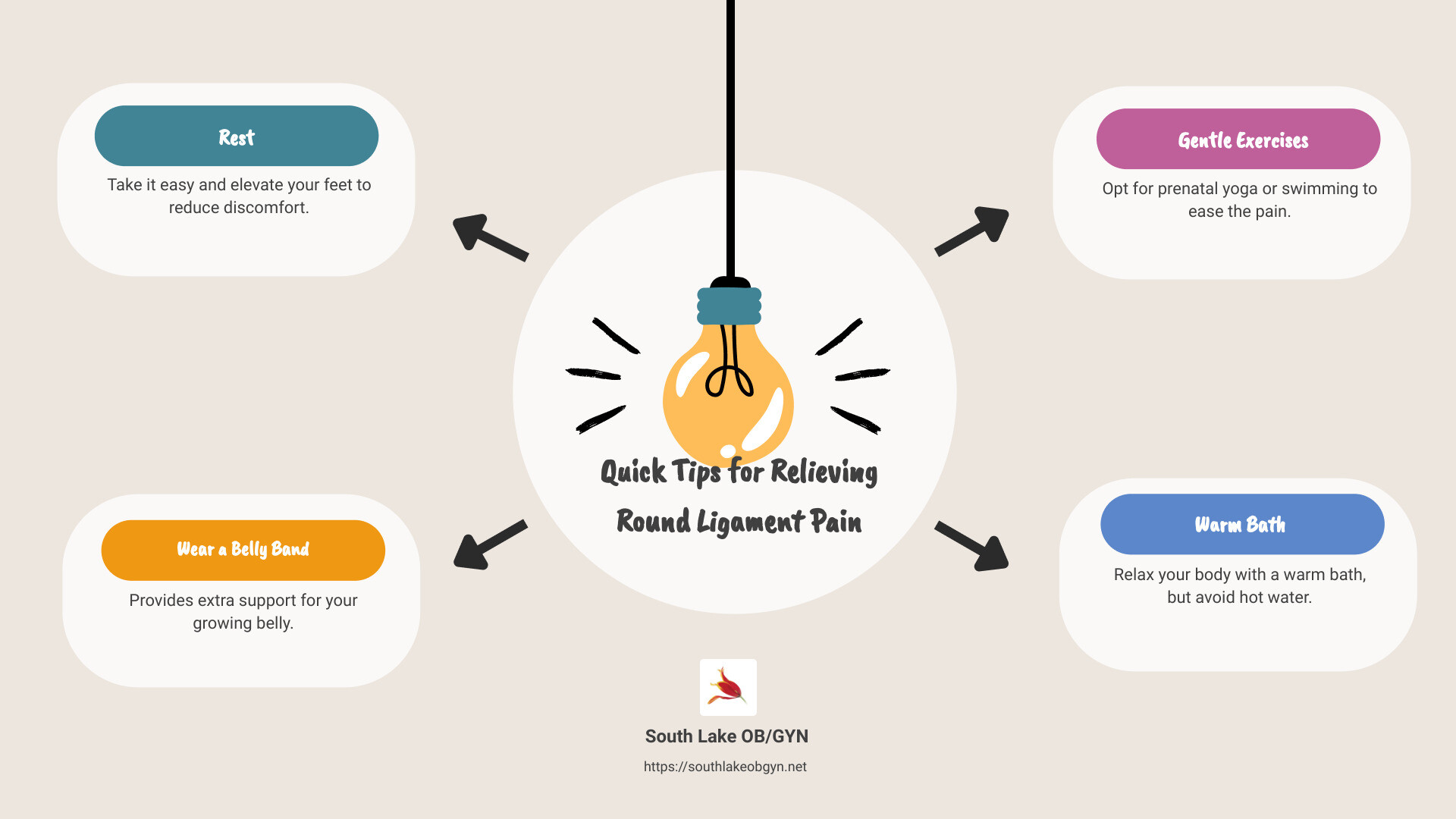
Quick Tips for Relieving Round Ligament Pain:
- Rest: Take it easy and elevate your feet.
- Wear a belly band: It can provide extra support.
- Avoid sudden movements: Move slowly to avoid triggering pain.
- Take acetaminophen: Consult your doctor before use.
- Gentle exercises and stretching: Opt for prenatal yoga or swimming.
- Warm bath: Helps relax the body but avoid hot water.
Round ligament pain typically presents as a sharp, stabbing pain on either or both sides of your lower abdomen. Sudden movements, like sneezing or rolling over in bed, can trigger it. Understanding and managing this pain is essential to make your pregnancy more comfortable.
I’m Dr. Matthew Casavant, a founding physician at South Lake OB/GYN with experience in guiding expectant mothers. My goal is to help you navigate the challenges of pregnancy, including how to relieve round ligament pain effectively.
Understanding Round Ligament Pain
What is Round Ligament Pain?
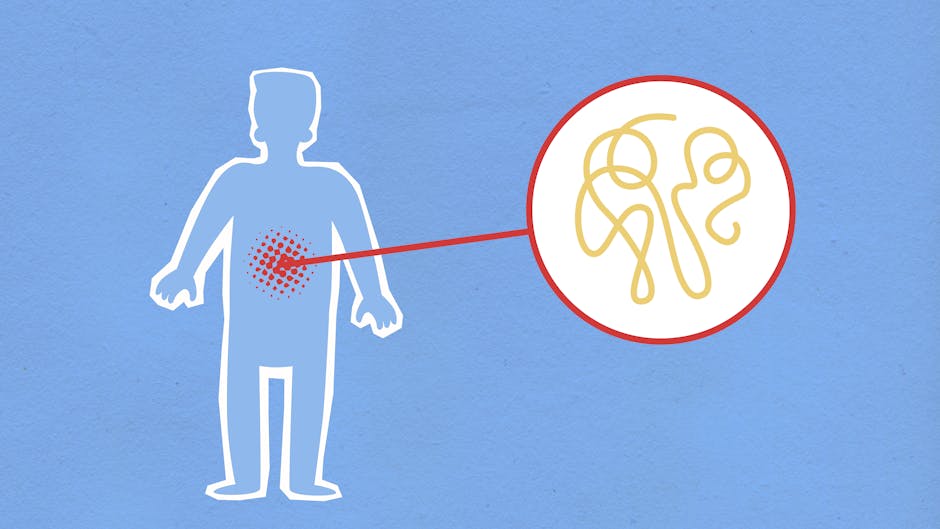
Round ligament pain is a common pregnancy discomfort caused by the stretching and thickening of the round ligaments. These ligaments, which are like two rope-like bands, connect your uterus to your groin area. As your uterus grows to accommodate your baby, these ligaments stretch and can cause discomfort.
Imagine a rubber band being stretched repeatedly—that’s what your round ligaments are going through. This stretching is necessary to support your growing uterus but can lead to pain, especially with sudden movements.
Common Symptoms of Round Ligament Pain
Round ligament pain can manifest in several ways, but it’s often described as:
- Sharp, stabbing pain: This can occur on either or both sides of your lower abdomen or groin area.
- Dull ache: Some people may experience a more constant, dull ache rather than sharp pain.
- Trigger points: The pain often strikes when you change positions suddenly, like getting out of bed, rolling over, or even coughing.
You might feel the pain start deep inside your groin and move upward and outward to the top of your hips. The sensation is typically short-lived, lasting only a few seconds, but it can happen repeatedly.
Causes and Triggers
Round ligament pain is primarily caused by the rapid growth of your uterus and the stretching of your round ligaments. Here are some common triggers:
- Sudden movements: Quick changes in position, like standing up too fast or rolling over in bed, can cause the ligaments to tighten quickly, leading to pain.
- Physical activity: Activities like walking, exercising, or even sneezing and laughing can trigger round ligament pain.
- Rapid growth: As your baby grows, your uterus expands rapidly, putting extra tension on the round ligaments.
Understanding these triggers can help you manage and potentially minimize the discomfort. For instance, moving slowly and supporting your belly when you laugh, sneeze, or cough can make a big difference.
Dr. Kameelah Phillips, an ob-gyn, notes that this pain can feel like a “shooting pain” that radiates from your lower abdomen into your groin.
In the next section, we’ll dive into practical tips on how to relieve round ligament pain and make your pregnancy journey more comfortable.
How to Relieve Round Ligament Pain
Rest and Relaxation
Taking it easy is crucial. Kick up your feet and rest whenever you can. Overworking yourself can make the pain worse. Self-care and relaxation techniques like deep breathing or meditation can also help.
Dr. Kameelah Phillips advises, “Rest is essential. Don’t push yourself too hard. Listen to your body.”
Gentle Exercises and Stretching
Staying active is important, but choose activities that are gentle on your body. Prenatal yoga is a great option. It involves gentle stretching and breathing exercises, which can help with overall aches and pains.
Swimming is another excellent choice. It offers a full-body workout without putting pressure on your ligaments. The feeling of weightlessness can be a welcome relief.
Stretching exercises like hip flexing can also help. Try bending and flexing your hip joints throughout the day to reduce strain on your round ligaments.
Using Supportive Gear
A maternity belt or belly band can provide much-needed support. These items help lift your belly and relieve pressure on your ligaments. They are especially useful if you’re pregnant with multiples.
Applying Heat or Cold
Applying a warm compress to your lower abdomen can soothe the pain. A warm bath can also be relaxing, but make sure the water isn’t too hot.
For some, an ice pack might be more effective. It can help reduce inflammation and numb the area.
Over-the-Counter Medications
If the pain persists, you can take acetaminophen. It’s generally considered safe during pregnancy, but always consult your doctor first. Avoid other over-the-counter medications unless your doctor recommends them.
By incorporating these strategies, you can manage round ligament pain more effectively and enjoy a more comfortable pregnancy.
Preventing Round Ligament Pain
Tips for Daily Activities
Avoid sudden movements: Quick changes in position can trigger round ligament pain. Try to move slowly and deliberately to prevent sudden ligament stretching.
Careful position changes: When getting up from sitting or lying down, take your time. Roll onto your side first, then use your arms to push yourself up to a sitting position before standing.
Slow transitions: Whether you’re getting out of bed or standing up from a chair, make these transitions slowly. This helps your ligaments adjust gradually and reduces the risk of pain.
Getting up slowly: This is especially important if you’ve been sitting or lying down for a while. Stand up slowly to give your body time to adjust and avoid any sharp pains.
Careful rolling over: When rolling over in bed, bend your knees and bring them toward your stomach. This helps reduce the strain on your round ligaments.
Bending hips: Before sneezing, coughing, or laughing, flex your hips a bit. This can help prevent sudden ligament stretching and ease discomfort.
Modifying Physical Activity
Easier workouts: If you find that your usual workouts are causing round ligament pain, try lowering the intensity. Gentle exercises can still keep you active without triggering pain.
Low-impact exercises: Activities like swimming or prenatal yoga are great options. Swimming offers a full-body workout with minimal strain on your ligaments, while prenatal yoga focuses on gentle stretching and breathing exercises.
Avoiding triggers: Pay attention to what triggers your round ligament pain and try to avoid those activities. This might mean modifying your daily routine or finding alternative ways to stay active.
By following these tips for daily activities and modifying your physical activity, you can help prevent round ligament pain and enjoy a more comfortable pregnancy.
When to See a Doctor
While round ligament pain is common and usually harmless, certain symptoms should prompt you to seek medical attention immediately. Here’s how to know when to call your doctor.
Warning Signs
Severe Pain: If you experience severe pain that doesn’t go away with rest or over-the-counter pain relief, contact your doctor. Persistent, intense pain could indicate a more serious issue that needs medical evaluation.
Additional Symptoms: Be alert for other symptoms that accompany your pain. These include:
- Fever or chills: A fever or chills along with abdominal pain might suggest an infection. Infections during pregnancy can be harmful to both you and your baby. Seek medical help right away if you notice these symptoms.
- Bleeding: Vaginal bleeding during the second trimester is not typical and should be reported to your healthcare provider immediately. Bleeding can be a sign of complications that require urgent attention.
- Contractions: If you feel contractions, especially if they are regular and getting closer together, call your doctor. This could be a sign of preterm labor, which needs prompt medical care.
- Nausea and vomiting: If you experience nausea or vomiting not related to morning sickness, it could be a sign of a more serious condition.
- Painful urination: Pain or burning when you urinate can be a sign of a urinary tract infection (UTI). UTIs are common during pregnancy and can lead to more serious complications if untreated.
Other Conditions to Consider
Sometimes, what seems like round ligament pain could be something else entirely. Here are a few conditions your doctor might want to rule out:
Braxton Hicks Contractions: These “practice” contractions can sometimes be mistaken for round ligament pain. However, they are generally irregular and not as intense as true labor contractions.
Urinary Tract Infection (UTI): UTIs can cause lower abdominal pain and are common during pregnancy. If you suspect a UTI, seek medical advice to get proper treatment.
Preterm Labor: Contractions that come at regular intervals and get stronger over time could be a sign of preterm labor. This is a medical emergency, so contact your healthcare provider immediately if you suspect preterm labor.
Other Conditions: Abdominal pain during pregnancy can also be due to non-pregnancy-related issues such as appendicitis, kidney stones, or gallbladder problems. It’s crucial to get a proper diagnosis to ensure you and your baby are safe.
Always trust your instincts. If something feels off, don’t hesitate to reach out to your healthcare provider. They are there to help you have a safe and healthy pregnancy.
Next, we’ll tackle some frequently asked questions about round ligament pain.
Frequently Asked Questions about Round Ligament Pain
Can Round Ligament Pain Last All Day?
Round ligament pain is typically short-lived, lasting only a few seconds to a few minutes. It usually occurs with sudden movements like standing up quickly or coughing. However, some women may experience discomfort that lingers longer, especially if they’ve been very active or haven’t taken enough breaks.
If you find the pain persists all day, it could be due to overexertion or not changing positions enough. Resting and avoiding sudden movements can help. Important: If the pain is constant and doesn’t go away, contact your healthcare provider to rule out other conditions.
Is Round Ligament Pain Normal in the First Trimester?
Round ligament pain is most common in the second trimester when your uterus is growing rapidly. However, some women may experience it earlier. The stretching and expanding of the ligaments can start as early as the first trimester, especially if you make sudden movements.
If you experience round ligament pain in the first trimester, it’s generally not a cause for concern. But always talk to your healthcare provider to ensure everything is progressing normally.
How Long Does Round Ligament Pain Typically Last?
Round ligament pain usually starts in the early second trimester, around weeks 14-27. The pain can persist throughout the pregnancy but often improves as your body adjusts.
Good news: It usually goes away after childbirth, as your uterus and ligaments return to their pre-pregnancy size.
If these methods don’t help or the pain worsens, be sure to contact your healthcare provider. They can offer additional advice and support.
Conclusion
At South Lake OB/GYN, we understand that pregnancy comes with its unique set of challenges, including dealing with round ligament pain. Our team is dedicated to providing personalized care to help you navigate this journey comfortably.
We offer a supportive environment where you can openly discuss your symptoms and concerns. Our experienced healthcare providers are always ready to guide you through effective pain management strategies, from gentle exercises to safe pain relief methods.
Whether it’s your first pregnancy or you’re adding to your family, South Lake OB/GYN is here to support you every step of the way. We believe in offering comprehensive pregnancy care that addresses both your physical and emotional needs.
For more information or to schedule an appointment, visit our Obstetrics Services page.
We’re here to help you enjoy a healthy and happy pregnancy.