


Understanding Round Ligament Pain: When Does It Stop?
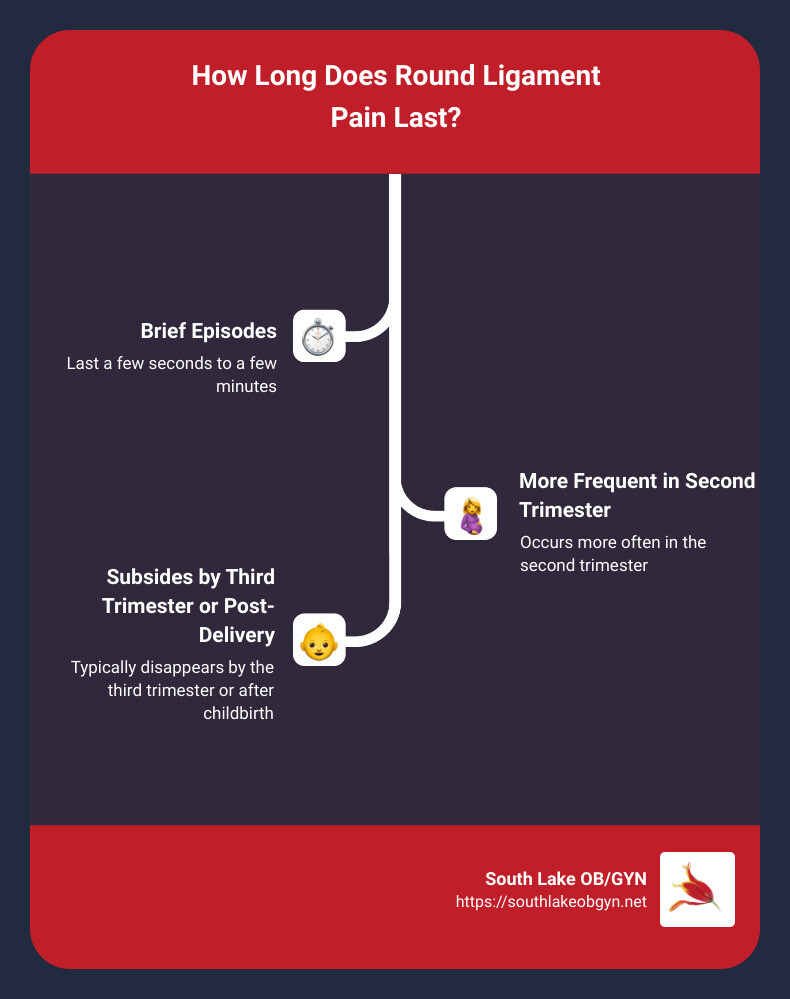
How long does round ligament pain last? Many expectant mothers experience this discomfort during pregnancy, typically in the second trimester. Here’s a quick answer:
- Usually lasts a few seconds to a few minutes.
- Occurs more frequently during the second trimester.
- Typically subsides by the third trimester or after childbirth.
Round ligament pain is a common symptom of pregnancy. This often manifests as a sharp, sudden pain in the lower abdomen, hips, or groin area. As your uterus grows, the round ligaments stretch and create tension, especially noticeable during sudden movements like standing up quickly, rolling over in bed, or even coughing and sneezing.
I’m Dr. Matthew Casavant. With experience in obstetrics and gynecology, I’ve guided many women through the challenges of round ligament pain. How long does round ligament pain last? Usually, it diminishes as your pregnancy progresses and often disappears post-delivery. Let’s explore what exactly causes this pain and how you can manage it effectively.
What is Round Ligament Pain?
Round ligament pain is a common discomfort experienced during pregnancy. It happens when the round ligaments, which support your uterus, stretch and create tension. This can lead to lower abdominal pain and groin discomfort.
Lower Abdominal Pain and Groin Discomfort
The pain usually starts in the lower abdomen, near the hips and groin. It often feels like a sharp, stabbing sensation or a pulling feeling. You might notice it more when you move suddenly, such as when you stand up, sit down, or even sneeze.
“Round ligament pain is typically described as a sharp, sudden spasm,” says Dr. Kameelah Phillips, an ob-gyn from New York City. “It often occurs on the right side but can also be felt on both sides of your lower abdomen or groin.”
The Role of Pelvic Ligaments
Your pelvic ligaments play a crucial role in supporting your uterus. The round ligaments are cord-like structures that connect the front part of your uterus to your groin. During pregnancy, these ligaments stretch and become more elastic due to hormonal changes.

Uterus Support
As your baby grows, your uterus expands, putting extra strain on these ligaments. This can cause them to spasm or twitch, leading to the pain you feel. While uncomfortable, this pain is generally harmless and a normal part of pregnancy.
“Round ligament pain is most often felt during the second trimester,” notes Dr. Frederick Friedman, Jr., an ob-gyn at Mount Sinai Health. “It’s a sign that your body is adjusting to support your growing baby.”
Understanding the source of your discomfort can help you manage it better. In the next section, we’ll explore when round ligament pain usually starts and how long it lasts.
When Does Round Ligament Pain Start?
Round ligament pain often begins in the early second trimester of pregnancy. Most women start to feel it around week 14. This timing coincides with the rapid growth of your uterus, which stretches the ligaments supporting it.
Second Trimester
During the second trimester, your baby grows quickly. This growth puts extra tension on the round ligaments, which support your expanding uterus. As these ligaments stretch and thicken, you may feel discomfort.
Sudden Movements
Sudden movements can trigger round ligament pain. Actions like standing up quickly, rolling over in bed, or even sneezing can cause a brief but sharp pain. The ligaments, already stretched, get pulled even more during these movements.
Pregnancy Growth
The rapid growth of your uterus is a major factor in round ligament pain. As your baby grows, your uterus expands significantly. This expansion places extra tension on the round ligaments, making them work harder to support the added weight and size.
Understanding when round ligament pain starts can help you prepare for and manage this common pregnancy discomfort. Next, we’ll explore how long does round ligament pain last and what you can expect as your pregnancy progresses.
How Long Does Round Ligament Pain Last?
Round ligament pain can be a real nuisance, but the good news is it’s typically short-lived. Let’s break down the timeline so you know what to expect.
Brief Episodes
Round ligament pain usually comes in brief episodes. You might feel a sharp, stabbing pain or a dull ache that lasts for just a few seconds or minutes. These episodes often occur when you make sudden movements, like standing up quickly, sneezing, or rolling over in bed.
A Few Seconds to Several Hours
While most episodes are short, some can last a bit longer. It’s not uncommon for the discomfort to persist for a few hours. This longer duration can be particularly frustrating, but it’s still generally considered normal.
Resolves After Childbirth
The best news? Round ligament pain usually resolves after childbirth. Once your baby is born and your uterus begins to shrink back to its pre-pregnancy size, the ligaments no longer experience the same strain. This means the pain should diminish and eventually disappear altogether.
Understanding how long does round ligament pain last can help you manage your expectations and cope better with this common pregnancy symptom. Next, we’ll dive into the common triggers of round ligament pain and how to avoid them.
Common Triggers of Round Ligament Pain
Round ligament pain can be quite uncomfortable, but knowing what triggers it can help you manage it better. Here are some common triggers:
Sudden Movements
Quickly standing up or sitting down can pull on your round ligaments, causing sharp pain. Try to move slowly and deliberately to avoid these sudden twinges.
Coughing and Sneezing
Even something as simple as a cough or sneeze can trigger round ligament pain. These actions cause sudden pressure changes in your abdomen, leading to a quick stretch of the ligaments. To minimize the pain, try to flex your hips slightly before coughing or sneezing.
Rolling Over in Bed
Changing positions too quickly while lying down can also stretch the round ligaments. When turning over in bed, try to do it slowly and support your belly with your hands to reduce the strain.
Physical Activity
Engaging in physical activities like jogging, dancing, or even bending over can exacerbate the pain. If you experience discomfort during exercise, consider modifying your routine to include gentler activities like walking or prenatal yoga.
Understanding these triggers can help you manage and possibly avoid some of the discomfort associated with round ligament pain. Next, let’s explore some effective ways to manage and relieve this common pregnancy symptom.
How to Manage and Relieve Round Ligament Pain
Managing round ligament pain involves a combination of rest, gentle exercises, warm baths, avoiding sudden movements, and using belly bands. These strategies can help you find relief and make your pregnancy more comfortable.
Rest
Taking it easy is crucial. When you feel pain, try to lie down on your side with a pillow between your knees. This position can help take the pressure off your round ligaments. Avoid strenuous activities that might worsen the pain. It’s okay to take breaks and relax.
Gentle Exercises
Staying active is important, but opt for gentle exercises. Prenatal yoga and pelvic tilts are great options. These exercises can stretch and strengthen the muscles around your uterus without putting too much strain on your body.
Hip flexing exercises are also beneficial. Simply bend and flex your hip joints throughout the day to reduce the strain on your round ligaments. Always check with your doctor before starting any new exercise routine.
Warm Baths
A warm bath can do wonders for relieving round ligament pain. The warmth helps soothe your muscles and ligaments. Just make sure the water is warm, not hot, to avoid any risk to your baby.
Avoid Sudden Movements
Quick movements can trigger round ligament pain. Try to move slowly when getting up from sitting or lying down. If you feel a sneeze or cough coming on, lean forward and support your belly with your hands. This can help minimize the pain.
Belly Bands
Belly bands or belly belts are supportive garments worn under your belly. They provide extra support to your growing bump and can help alleviate round ligament pain. Many expectant mothers find them very helpful for daily comfort.
By incorporating these methods into your routine, you can manage and relieve round ligament pain more effectively. If you have any concerns or if the pain persists, don’t hesitate to reach out to your healthcare provider for further guidance.
When to See a Doctor
While round ligament pain is a common and often harmless part of pregnancy, there are times when you should seek medical advice. It’s important to know the signs that indicate something more serious might be happening.
Severe Pain
If you experience severe pain that doesn’t go away with rest or over-the-counter pain relief, contact your doctor. This type of pain might indicate a different issue that needs medical evaluation.
Constant Pain
Round ligament pain usually comes and goes. If the pain becomes constant and doesn’t provide any relief, it’s a good idea to get it checked out. Persistent pain could be a sign of a more serious condition.
Vaginal Bleeding
Vaginal bleeding during pregnancy is not typical and should be reported to your healthcare provider immediately. Bleeding can be a sign of complications that require urgent attention.
Contractions
If you feel contractions that are regular and getting closer together, call your doctor. This could be a sign of preterm labor, which needs prompt medical care.
Other Symptoms
Look out for other symptoms like:
- Fever or chills
- Nausea or vomiting (not related to morning sickness)
- Trouble walking
- Pain or burning when you urinate
- Low back pain or pressure in the pelvic area
These symptoms could indicate a more serious condition and should be evaluated by a healthcare provider.
If you’re ever in doubt about any symptoms, don’t hesitate to reach out to your healthcare provider. They are there to help ensure you have a safe and healthy pregnancy.
Frequently Asked Questions about Round Ligament Pain
How Long is Too Long for Round Ligament Pain?
Round ligament pain usually starts in the second trimester and can last until childbirth. Most episodes are brief, lasting a few seconds to a few minutes. However, some women may experience persistent pain that lingers for hours. If your pain is constant and doesn’t go away with rest, it’s important to contact your healthcare provider. They can rule out other conditions that might be causing the discomfort.
What Can Be Mistaken for Round Ligament Pain?
Several conditions can mimic round ligament pain, making it tricky to identify:
- Hip Flexor Strain: Pain from a strained hip flexor muscle can feel similar but is usually more localized to the hip area.
- Hernia: A hernia can cause pain in the lower abdomen or groin, often accompanied by a noticeable bulge.
- Endometriosis: Although rare in pregnant women, endometriosis can cause pelvic pain similar to round ligament pain.
- Preterm Labor: Contractions and pressure in the lower back along with abdominal pain might be mistaken for round ligament pain but require immediate medical attention.
If you’re unsure whether your pain is round ligament pain or something else, consult your healthcare provider for a differential diagnosis.
How to Stretch Out Round Ligament Pain?
Stretching can help relieve round ligament pain. Here are a few techniques to try:
- Exercise Ball: Sit on an exercise ball and gently rock back and forth. This can help ease the tension in your ligaments.
- Belly Stretch: Stand up, place your hands on your hips, and gently lean back to stretch your belly. Hold for a few seconds and repeat.
- Pelvic Tilts: Get on your hands and knees, and gently arch your back up and down. This can help stretch and strengthen your pelvic area.
- Prenatal Yoga: Consider yoga poses like the Child’s Pose or Cat-Cow stretch. These can help alleviate the pain.
Always consult with your healthcare provider before starting any new exercise or stretching routine to ensure it’s safe for you and your baby.
Next, let’s explore When to See a Doctor and understand what symptoms to watch for that may indicate a more serious condition.
Conclusion
At South Lake OB/GYN, we understand that dealing with round ligament pain can be challenging. Our goal is to provide personalized care that meets your unique needs throughout your pregnancy.
We offer a supportive environment where you can openly discuss your symptoms and concerns. Our experienced healthcare providers are always ready to guide you through effective pain management strategies—from gentle exercises to safe pain relief methods.
Whether it’s your first pregnancy or you’re adding to your family, we are here to support you every step of the way. We believe in offering comprehensive pregnancy care that addresses both your physical and emotional needs.
For more information or to schedule an appointment, visit our Obstetrics Services page. We’re here to help you enjoy a healthy and happy pregnancy.