


Understanding Round Ligament Pain
When round ligament pain starts, it typically makes its unwelcome debut during the second trimester of pregnancy, usually around week 14. But, for some, it can start earlier or later. This pain is a sharp, quick discomfort you might feel in your abdomen, hips, or groin. It’s generally harmless but definitely uncomfortable, often triggered by sudden movements.
Here’s a quick summary:
- When it starts: Usually around week 14 of pregnancy (second trimester).
- Common triggers: Sudden movements, laughing, coughing, sneezing.
- Duration: Only a few seconds or minutes, but can repeat frequently.
Round ligament pain occurs as your uterus expands and your ligaments stretch to support the growing baby. This can be quite normal but it’s always good to have it checked by a professional if it’s persistent or severe.
I’m Dr. Matthew Casavant, founder of South Lake OB/GYN, and I’ve helped many women steer the challenges of pregnancy, including understanding when round ligament pain starts. My goal is to provide you with the information and support you need throughout this journey. Let’s dive deeper into what you can expect.
What is Round Ligament Pain?
Round ligament pain is a common pregnancy symptom that many women experience. It involves the stretching of the round ligaments, which are two rope-like bands on each side of your uterus. These bands connect your uterus to your lower abdominal wall through your groin.
Ligament Stretching
As your uterus expands to accommodate your growing baby, these ligaments stretch and tighten. This stretching can cause discomfort and pain. Imagine pulling a rubber band tight; any sudden movement can make it snap back, causing a sharp, brief pain.
Lower Abdominal Pain
The pain from round ligament stretching is usually felt in the lower abdomen. It’s often described as a sharp, stabbing pain or a tugging sensation. This pain can extend to the top of your hips and is usually short-lived, lasting only a few seconds.
Groin Discomfort
You may also feel discomfort in your groin area. The pain can occur on one side or both sides, depending on which ligament is being stretched at the moment. This discomfort is often triggered by sudden movements like standing up quickly, rolling over in bed, or even coughing and sneezing.
Pregnancy Symptom
Round ligament pain is a normal part of pregnancy. It usually starts in the second trimester, around week 14, but can begin earlier or later. It’s one of many changes your body goes through to support your growing baby.
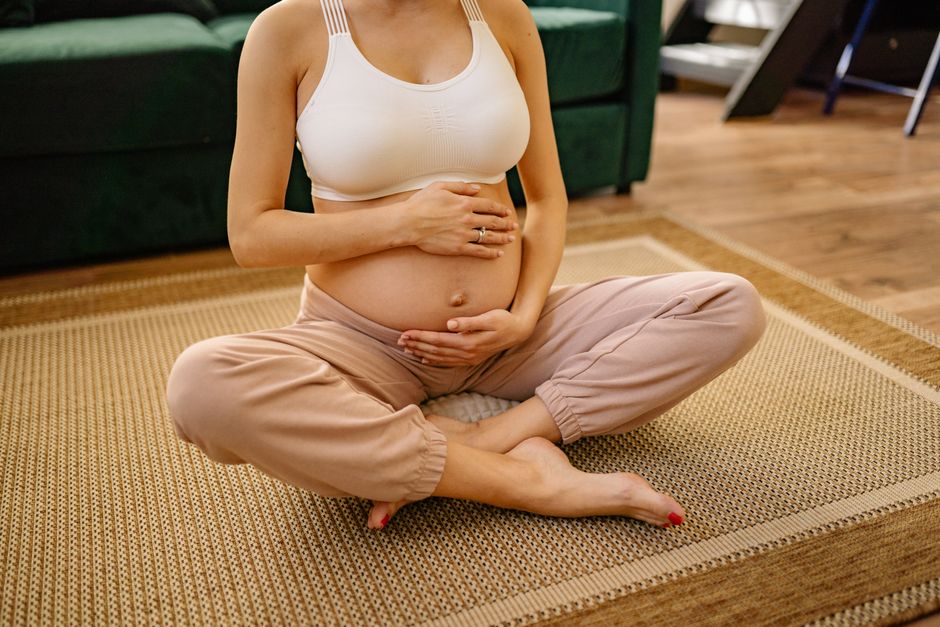
Round ligament pain is nothing to worry about, but it’s always good to discuss any concerns with your healthcare provider to rule out other potential issues.
Next, we’ll explore when you can expect round ligament pain to start and what early signs and symptoms to look out for.
When Does Round Ligament Pain Start?
Round ligament pain usually begins in the second trimester, around week 14. This is when your uterus starts growing more quickly to accommodate your developing baby. Some women may experience it earlier or later, but the second trimester is the most common time.
Early Signs and Symptoms
The first signs of round ligament pain often include a sharp pain or sudden spasm in your lower abdomen, hips, or groin. You might notice it on one side, often the right side, but it can occur on both sides. This pain is typically brief, lasting only a few seconds to a couple of minutes, and is usually triggered by specific movements.
Positional pain is another hallmark of round ligament pain. You may feel discomfort when changing positions, such as moving from sitting to standing or rolling over in bed.
Common Triggers
Round ligament pain is often triggered by sudden movements. These can include:
- Coughing or sneezing: The abrupt motion can stretch the ligaments quickly, causing sharp pain.
- Laughing: A hearty laugh can also put strain on the ligaments.
- Standing up quickly: Rising too fast from a seated or lying position can lead to a sudden spasm.
- Physical activity: Activities that involve quick changes in movement or direction, like certain exercises, can also be a trigger.
Understanding these triggers can help you manage and possibly avoid some of the discomfort associated with round ligament pain.
Next, we’ll dig into the causes of round ligament pain and why it happens during pregnancy.
Causes of Round Ligament Pain
Uterus Expansion
As your baby grows, so does your uterus. This expansion is one of the primary causes of round ligament pain. The round ligaments, which support your uterus, stretch and thicken to accommodate this rapid growth. This stretching can cause sharp or dull pain in your lower abdomen and groin area.
Ligament Tension
The round ligaments are like elastic bands that support your uterus. During pregnancy, they are constantly under tension. When you make sudden movements, such as standing up quickly or sneezing, these ligaments can contract rapidly, causing spasms and pain. This is why round ligament pain is often described as positional.
Hormone Changes
Pregnancy hormones, especially relaxin, play a significant role in causing round ligament pain. These hormones help soften and relax your ligaments to prepare your body for childbirth. However, this relaxation can also make the ligaments more susceptible to stretching and pain.
Increased Blood Volume
During pregnancy, your body produces more blood to support your growing baby. This increased blood volume can cause your blood vessels to expand, adding extra pressure on your round ligaments. This pressure can lead to discomfort and pain in your lower abdomen and groin area.
By understanding these causes, you can better manage and anticipate round ligament pain during your pregnancy.
Next, we’ll discuss how long round ligament pain lasts and what you can do to find relief.
How Long Does Round Ligament Pain Last?
Round ligament pain is a common pregnancy symptom, but how long does it last? Here’s what you need to know:
Temporary Pain
For most pregnant women, round ligament pain is temporary. It often starts around week 14 of pregnancy and can continue into the second trimester. The pain is usually brief, lasting only a few seconds to a few minutes.
Brief Duration
Round ligament pain can come and go. You might feel it more when you make sudden movements, like standing up quickly, coughing, or sneezing. These quick, sharp pains are usually short-lived and can be relieved by changing positions or resting.
Persistent Discomfort
While the pain is generally brief, some women may experience persistent discomfort. This can last for several hours, especially if you’re very active. Activities like walking or exercising can sometimes make the pain last longer.
Relief After Delivery
The good news is that round ligament pain usually goes away after childbirth. Once your baby is born, your hormone levels drop, and your uterus starts to shrink back to its normal size. This means the ligaments no longer have to stretch, and the pain typically disappears.
Understanding the duration of round ligament pain can help you manage your expectations and find ways to cope with the discomfort during your pregnancy.
Next, we’ll explore how to manage round ligament pain effectively to make your pregnancy journey more comfortable.
Managing Round Ligament Pain
Home Remedies
Dealing with round ligament pain can be challenging, but there are several home remedies that can help you find relief:
Rest: Taking breaks and putting your feet up can significantly reduce discomfort. Avoid standing for long periods and try to find comfortable positions when resting.
Gentle Exercises: Staying active is important. If your doctor approves, try moderate exercises like prenatal yoga or water aerobics. These activities are easier on your belly and can help relieve pain.
Avoid Sudden Movements: Quick position changes can trigger pain. Move slowly when standing up, sitting down, or rolling over to avoid sudden ligament stretching.
Belly Band: Wearing a support band can provide extra support to your growing belly. This can help take some pressure off your round ligaments.
Acetaminophen: For pain relief, you can take acetaminophen. Always follow the instructions on the label and consult your doctor before taking any medication.
Warm Bath: A warm bath can relax your muscles and ease discomfort. Just be careful not to make the water too hot.
Prenatal Yoga: Yoga focuses on gentle stretching and breathing exercises. Always choose prenatal yoga classes to ensure the poses are safe for you and your baby.
Swimming: Water exercises are easier on your body and can provide relief from pain. Swimming is a great option to stay active without putting too much strain on your ligaments.
Maternity Brace: A maternity brace can provide additional support to your abdomen and lower back, helping to reduce pain.
Stretching: Regularly stretching your muscles can prevent cramps and improve flexibility. Talk to your physiotherapist about safe stretches during pregnancy.
When to See a Doctor
While round ligament pain is common and usually harmless, certain symptoms should prompt you to seek medical attention:
Severe Pain: If you experience intense pain that doesn’t subside with rest or over-the-counter pain relief, it’s essential to contact your doctor. This type of pain might indicate a different issue that needs medical evaluation.
Vaginal Bleeding: Any vaginal bleeding during pregnancy requires immediate medical attention. It could be a sign of complications.
Contractions: If you feel contractions, especially if they are regular and getting closer together, call your doctor. This could be a sign of preterm labor.
Fever or Chills: Having a fever or chills along with abdominal pain might indicate an infection. Contact your healthcare provider right away if you notice these symptoms.
Additional Symptoms: Other symptoms like nausea, vomiting (not related to morning sickness), or trouble walking should also prompt a call to your doctor. These could be signs of a more serious condition.
If you’re in doubt about any symptoms, don’t hesitate to reach out to your healthcare provider. They’re there to help you have a safe and healthy pregnancy.
Frequently Asked Questions about Round Ligament Pain
How early in pregnancy do round ligaments hurt?
Round ligament pain often begins in the early second trimester, usually around week 14. This is when your uterus starts to grow more rapidly, putting extra tension on the ligaments. For many, this pain starts as early as the 14th week of pregnancy. Sudden movements like standing up quickly, coughing, or even laughing can trigger the pain.
How do I know it’s just round ligament pain?
Round ligament pain typically presents as a sharp pain or sudden spasm in the lower abdomen or groin area. You might feel it more on the right side, but it can occur on both sides. The pain is often short-lived and happens with sudden movements. It usually improves with positional relief, meaning it gets better when you change positions or rest.
What can be mistaken for round ligament pain?
Several conditions can mimic the symptoms of round ligament pain, making it important to differentiate between them:
- Hip Flexor Strain: This pain is localized to the hip area and can be mistaken for round ligament pain.
- Hernia: A hernia can cause a bulge and pain in the groin area, often worsening with activity.
- Appendicitis: Severe, persistent pain that doesn’t go away with rest. This requires immediate medical attention.
If you’re unsure whether your pain is due to round ligaments or something else, consult your healthcare provider for a proper differential diagnosis. They may conduct tests to rule out other conditions and ensure you and your baby are healthy.
For more information on managing round ligament pain and other pregnancy-related concerns, keep reading.
Conclusion
At South Lake OB/GYN, we understand that pregnancy can bring various challenges, including round ligament pain. Our mission is to provide personalized care that addresses your unique needs and concerns.
We offer a supportive environment where you can openly discuss your symptoms and receive custom advice. Our experienced healthcare providers are committed to guiding you through effective pain management strategies, ensuring you have a smooth and comfortable pregnancy journey.
Whether it’s your first pregnancy or you’re adding to your family, South Lake OB/GYN is here to support you every step of the way. We believe in open communication, so never hesitate to reach out with any questions or concerns.
For more information or to schedule an appointment, visit our Obstetrics Services page. We’re here to help you enjoy a healthy and happy pregnancy.