


Understanding Endometrial Cancer Symptoms
When it comes to endometrial cancer symptoms, early detection is crucial. Here are the key symptoms you need to watch for:
- Abnormal vaginal bleeding (including postmenopausal bleeding and bleeding between periods)
- Pelvic pain or discomfort
- Painful urination
- Unexpected weight loss
- Pain during intercourse
Endometrial cancer begins in the lining of the uterus, known as the endometrium. It’s the most common cancer of the female reproductive system in the U.S., with about 66,200 new cases diagnosed annually. Catching it early significantly increases the chances of successful treatment.
As someone who has dedicated my career to women’s health and carefully explained complex topics, I, Dr. Matthew Casavant, emphasize the importance of being vigilant about endometrial cancer symptoms. Knowing these signs can make a crucial difference.
Let’s take a closer look at what endometrial cancer is and the symptoms you should be aware of.
What is Endometrial Cancer?
Endometrial cancer is a type of uterine cancer that starts in the lining of the uterus, known as the endometrium. The uterus is a vital part of the female reproductive system, where a fetus develops during pregnancy. Understanding endometrial cancer is crucial because early detection can lead to more effective treatment.
Types of Uterine Cancer
Uterine cancer can be broadly classified into two main types:
Endometrial Cancer: This is the most common form, accounting for about 95% of all uterine cancer cases. It originates in the endometrium, the inner lining of the uterus.
Uterine Sarcoma: This is a rarer type, making up about 5% of uterine cancer cases. It develops in the muscles of the uterus, known as the myometrium, and tends to be more aggressive than endometrial cancer.
The Endometrium
The endometrium is the inner lining of the uterus that changes throughout the menstrual cycle. Hormones like estrogen and progesterone regulate these changes, thickening the endometrium in preparation for a potential pregnancy. If pregnancy doesn’t occur, the endometrial lining sheds, resulting in a menstrual period.
Uterine Sarcoma
While uterine sarcoma is less common, it is important to be aware of it due to its aggressive nature. This cancer forms in the muscle or other supporting tissues of the uterus and can spread quickly to other parts of the body.
Importance of Early Detection
Endometrial cancer often presents symptoms early, such as abnormal vaginal bleeding, which makes it easier to detect and treat in its initial stages. On the other hand, uterine sarcoma may not show symptoms until it is more advanced, making early detection more challenging but equally critical.
By understanding the different types of uterine cancer and their origins, you can better recognize the endometrial cancer symptoms and seek medical advice promptly. Early intervention is key to effective treatment and improved outcomes.
Next, we’ll explore the common symptoms of endometrial cancer to help you stay vigilant and proactive about your health.
Common Endometrial Cancer Symptoms
Recognizing the symptoms of endometrial cancer early can significantly improve treatment outcomes. Here are the most common symptoms to watch for:
Abnormal Vaginal Bleeding
Abnormal vaginal bleeding is often the first and most noticeable symptom of endometrial cancer. About 90% of women with this cancer experience some form of irregular bleeding.
Postmenopausal Bleeding: Any vaginal bleeding after menopause is considered abnormal and should be checked by a doctor. Dr. Pamela Soliman from the University of Texas MD Anderson Cancer Center emphasizes that most women recognize postmenopausal bleeding as unusual and seek medical advice promptly.
Bleeding Between Periods: For women who haven’t reached menopause, bleeding between periods or unusually heavy menstrual bleeding can be a warning sign. Dr. Soliman notes that around 25% of endometrial cancer cases are diagnosed in women who are still menstruating.
Heavy Menstrual Bleeding: An increase in the heaviness or duration of menstrual periods can also indicate endometrial cancer. If your periods soak through pads or tampons quickly, or if you need to change them in the middle of the night, it’s worth discussing with your gynecologist.
Pelvic Pain and Discomfort
Pelvic pain and discomfort are other key symptoms of endometrial cancer. These symptoms can range from mild to severe and may worsen over time.
Pelvic Pain: Persistent pain in the pelvic region is a common symptom. This pain can be sharp or dull and may feel similar to menstrual cramps but more persistent.
Lower Abdominal Pain: Pain in the lower abdomen, which can sometimes be mistaken for gastrointestinal issues, is another red flag. If the pain is continuous and doesn’t go away, it’s important to get it checked.
Pain During Intercourse: Experiencing pain during sexual activity can also be a symptom of endometrial cancer. This pain may be due to the tumor affecting the structures in the pelvis.
Other Symptoms
There are additional symptoms that can indicate endometrial cancer, especially as the disease progresses.
Painful Urination: Difficulty or pain while urinating can occur if the cancer has spread to the bladder or nearby tissues. This symptom should not be ignored.
Abnormal Vaginal Discharge: Any unusual discharge, especially if it’s foul-smelling, should be evaluated by a doctor. Moina Faruqui, who was diagnosed with stage IV endometrial cancer, experienced a foul-smelling discharge for about three months before her diagnosis.
Weight Loss: Unexplained weight loss can be a sign of advanced endometrial cancer. If you notice a significant drop in weight without trying, it’s important to see a healthcare provider.

Understanding these symptoms can help you take the necessary steps for early detection and treatment. If you experience any of these symptoms, don’t hesitate to contact your gynecologist for an evaluation.
Next, we will discuss the risk factors for endometrial cancer to help you understand what might increase your chances of developing this condition.
Risk Factors for Endometrial Cancer
Understanding the risk factors for endometrial cancer can help you take proactive steps to reduce your risk. Here are some key factors:
Age and Menstrual History
Age: The risk of endometrial cancer increases as you get older. Most cases are diagnosed in women who are postmenopausal, typically over the age of 50.
Early Menstruation and Late Menopause: Starting menstruation before age 12 or entering menopause later in life can increase your risk. More menstrual periods mean more exposure to estrogen, which can stimulate the uterine lining excessively.
Obesity and Hormonal Imbalance
Obesity: Carrying excess body weight is a significant risk factor. Fat tissue produces estrogen, leading to higher levels in the body. This hormonal imbalance can overstimulate the cells lining the uterus, increasing cancer risk.
Hormonal Changes: Conditions like polycystic ovary syndrome (PCOS) and diabetes can disrupt hormone levels. Irregular ovulation patterns associated with these conditions can lead to prolonged exposure of the endometrium to estrogen.
High Estrogen Levels: Liftd estrogen levels without the balancing effect of progesterone can lead to abnormal cell growth in the uterine lining.
Genetic Factors
Family History: A family history of endometrial cancer increases your risk. If close relatives have had endometrial, ovarian, or colon cancer, your risk may be higher.
Lynch Syndrome: This inherited condition, also known as hereditary nonpolyposis colorectal cancer (HNPCC), significantly increases the risk of endometrial cancer. Women with Lynch syndrome have a 40-60% lifetime risk of developing endometrial cancer.
Tamoxifen: This drug, used to treat breast cancer, can increase the risk of endometrial cancer. While tamoxifen is effective for breast cancer, it acts like estrogen in the uterus, which can stimulate the uterine lining.
Other Factors
Diabetes: Women with diabetes have a higher risk of endometrial cancer, possibly due to insulin resistance and higher insulin levels, which can affect hormone balance.
Never Having Been Pregnant: Women who have never been pregnant have a higher risk compared to those who have had at least one pregnancy. Pregnancy reduces the number of menstrual cycles, reducing estrogen exposure.
By understanding these risk factors, you can take steps to monitor your health and discuss any concerns with your healthcare provider. Early detection and lifestyle changes can significantly reduce your risk of developing endometrial cancer.
Diagnosing Endometrial Cancer
Pelvic Exams
A pelvic exam is often the first step in diagnosing endometrial cancer. During this exam, your doctor will:
- Examine the vagina and cervix for any abnormalities.
- Feel the size and shape of the uterus and ovaries, which can help identify any problems.
This exam can sometimes reveal abnormalities that may suggest endometrial cancer, but it’s usually just the beginning of the diagnostic process.
Imaging Tests
Transvaginal ultrasound is a common imaging test used to look inside the uterus. In this procedure, a small wand is inserted into the vagina. This wand uses sound waves to create images of the uterus and ovaries. Doctors use these images to:
- Measure the thickness of the uterine lining.
- Look for tumors or other abnormalities.
Transvaginal ultrasound is non-invasive and can provide valuable information about the health of your uterus.
Biopsy and Lab Tests
The most definitive way to diagnose endometrial cancer is through an endometrial biopsy. Here’s how it works:
- Endometrial Sampling: During a pelvic exam, your doctor will use a small brush or a flexible tube to remove a small amount of tissue from the uterine lining.
- Tissue Analysis: This tissue is then sent to a pathologist, who examines it under a microscope to check for cancer cells.
An endometrial biopsy is a quick outpatient procedure that can provide crucial information about the presence of cancer.
Other Tests
While not specifically designed to detect endometrial cancer, a Pap smear can sometimes show signs of an abnormal endometrium. However, it is primarily used to detect cervical cancer.
In some cases, additional imaging tests like a CT scan or MRI may be needed to determine if the cancer has spread beyond the uterus.
By using a combination of these tests, doctors can accurately diagnose endometrial cancer and develop a treatment plan custom to your needs.
Stages of Endometrial Cancer
Understanding the stages of endometrial cancer is crucial for determining the best treatment plan. The stages range from Stage 1 to Stage 4, with each stage indicating how far the cancer has spread.
Stage 1
Stage 1 endometrial cancer is the earliest stage. At this point, the cancer cells are confined to the inside of the uterus. Early detection at this stage often leads to a better prognosis. According to Dr. Pamela Soliman, most women recognize abnormal vaginal bleeding as a sign and seek medical help, which increases the chances of catching the cancer early.
Stage 2
In Stage 2, cancer cells have spread to the connective tissue of the cervix, but they are still contained within the uterus. There is no involvement of nearby lymph nodes at this stage. This stage may require more extensive treatment compared to Stage 1, but it is still considered early and manageable.
Stage 3
Stage 3 indicates that the cancer has spread beyond the uterus to nearby tissues. This could include the surface of the uterus, ovaries, vagina, or tissues within the pelvis. Cancer may also be found in nearby lymph nodes. For example, Callie Glaves was diagnosed with Stage II endometrial cancer, which had spread to nearby tissues. At this stage, treatment becomes more complex, often involving a combination of surgery, radiation, and chemotherapy.
Stage 4
Stage 4 is the most advanced stage, where cancer has spread to distant organs. This could include the rectum, bladder, lungs, or liver. Cancer cells may also be found in distant lymph nodes. Moina Faruqui, diagnosed at Stage IV, experienced symptoms like exhaustion and abnormal vaginal discharge for months before seeking medical attention. At this stage, treatment focuses on managing symptoms and improving quality of life.
Understanding these stages helps in recognizing the importance of early detection and seeking prompt medical attention for any unusual symptoms. This can significantly improve treatment outcomes and overall prognosis.
Treatment Options for Endometrial Cancer
When it comes to treating endometrial cancer, several options are available. The choice of treatment depends on factors such as the type and stage of the cancer, overall health, and personal preferences. Here’s a simplified breakdown of the main treatment options:
Surgical Treatments
Surgery is often the first step in treating endometrial cancer. The most common surgical procedures include:
Hysterectomy: This involves removing the uterus and is often the primary treatment for endometrial cancer. There are different types of hysterectomies, but a total hysterectomy is the most common for this type of cancer.
Bilateral Salpingo-Oophorectomy: This surgery removes both fallopian tubes and ovaries along with the uterus. It is typically performed alongside a hysterectomy to ensure all potential cancerous tissues are removed.
Lymph Node Assessment: During surgery, doctors may also assess and possibly remove lymph nodes to check for cancer spread. This can be done through:
- Complete lymph node dissection
- Sentinel lymph node mapping and biopsy
Radiation and Chemotherapy
Radiation therapy and chemotherapy are commonly used either before or after surgery to destroy any remaining cancer cells.
Radiation Therapy: Uses high-energy X-rays or gamma rays to kill cancer cells. This can be administered externally or internally (brachytherapy).
Chemotherapy: Involves drugs that target and destroy cancer cells. It is often used when cancer has spread beyond the uterus. Chemotherapy can be given orally or intravenously.
Advanced Treatments
In cases where traditional methods are not effective or suitable, advanced treatments like immunotherapy and hormone therapy may be considered.
Immunotherapy: This treatment helps the body’s immune system recognize and fight cancer cells. It has shown promise, especially in cases where the cancer has recurred or is resistant to other treatments.
Hormone Therapy: Used primarily for cancers that are hormone-receptor-positive. It involves medications or surgeries that alter hormone levels to slow or stop cancer growth. This option is sometimes used for younger patients who wish to preserve fertility.
Targeted Treatments: These treatments specifically target cancer cells while minimizing damage to normal cells. They can be particularly useful for advanced or recurrent cancers.
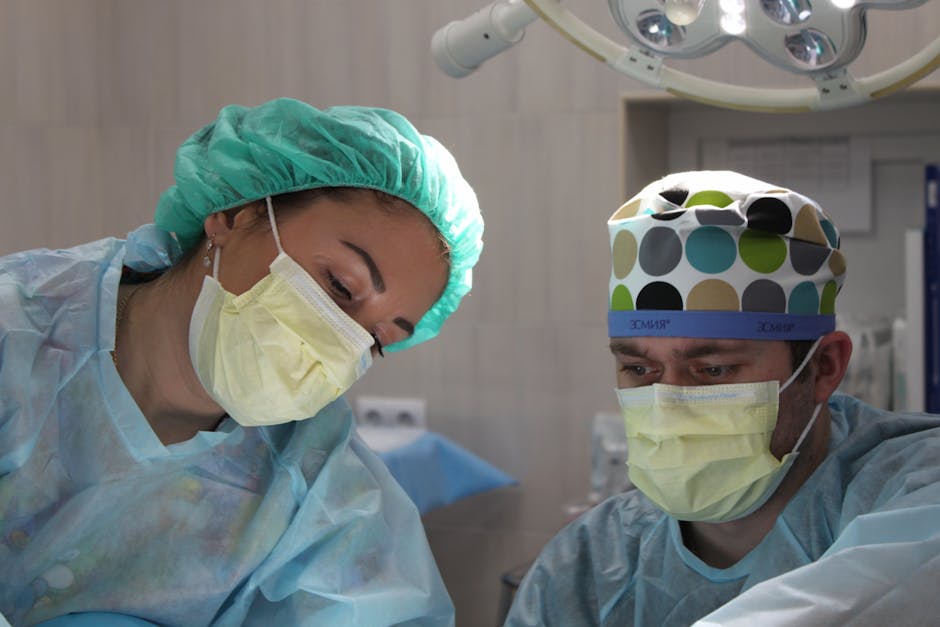
Surgery is often the first line of treatment for endometrial cancer.
Choosing the right treatment plan is crucial and should be discussed thoroughly with your healthcare team. At South Lake OB/GYN, we provide personalized care to help you steer through these options and make informed decisions.
Frequently Asked Questions about Endometrial Cancer Symptoms
Is endometrial cancer very curable?
Yes, endometrial cancer is often very curable, especially when detected early. According to the American Cancer Society, the five-year survival rate for localized endometrial cancer is about 96%. This high survival rate is because many cases are diagnosed at an early stage, thanks to noticeable symptoms like abnormal vaginal bleeding.
Early detection is key. If you notice any unusual symptoms, it’s crucial to see a healthcare provider right away. Treatment options, such as surgery, radiation, and chemotherapy, are highly effective when the cancer is caught early.
Where is the first place endometrial cancer spreads?
Endometrial cancer can spread to several nearby areas. The first places it often spreads to include:
- Rectum
- Bladder
- Vagina
- Ovaries
- Fallopian tubes
When the cancer spreads to these areas, it is considered to be in a more advanced stage. This makes early detection even more important. Regular check-ups and being aware of endometrial cancer symptoms can help catch the disease before it spreads.
What is the life expectancy of someone with endometrial cancer?
The life expectancy for someone with endometrial cancer varies based on several factors such as the stage of cancer at diagnosis, age, and overall health. Here are some general survival rates:
- Localized: 96% five-year survival rate
- Regional: 72% five-year survival rate (when cancer has spread to nearby areas or lymph nodes)
- Distant: 20% five-year survival rate (when cancer has spread to distant organs like the lungs or liver)
Age factors also play a role. Younger patients tend to have better outcomes. Early detection and prompt treatment significantly improve the prognosis. At South Lake OB/GYN, we emphasize early detection and personalized treatment plans to offer the best possible outcomes for our patients.
Next, we’ll dive into the importance of regular screenings and how they can aid in the early detection of endometrial cancer.
Conclusion
Early detection is crucial when it comes to endometrial cancer. Recognizing symptoms like abnormal vaginal bleeding, pelvic pain, and unusual discharge can make a significant difference. The sooner we identify these signs, the better the chances of successful treatment and recovery.
Awareness of symptoms is key. Many people may overlook or dismiss these signs, thinking they are not serious. However, paying attention to these changes and discussing them with a healthcare provider can lead to early diagnosis and more effective treatment.
At South Lake OB/GYN, we are committed to providing personalized care. Our team of experts is dedicated to supporting you through every step of your journey, from diagnosis to treatment and beyond. We understand that dealing with cancer can be overwhelming, and we strive to create a supportive environment where you feel cared for and understood.
Regular screenings and consultations with your healthcare provider are essential. While there are no preventive screenings specifically for endometrial cancer, being vigilant about any unusual symptoms and seeking medical advice promptly can lead to early detection.
If you have any concerns or notice any symptoms, don’t hesitate to reach out to us. We’re here to help you steer through this challenging time with compassion and expertise.
For more information on endometrial cancer and the services we offer, visit our endometrial biopsy page. Early detection and awareness can save lives. Let’s work together to ensure the best possible outcomes.