


Understanding Obstetricians: Your Guide to Pregnancy and Postnatal Care
An obstetrician is a medical doctor who specializes in caring for people during pregnancy, childbirth, and the postpartum period. They work to ensure both you and your baby are healthy throughout this exciting, yet sometimes challenging, journey.
If you’re wondering what an obstetrician does, here’s a quick overview:
– Prenatal care: Monitoring your health and your baby’s development before birth.
– Labor and delivery: Assisting with childbirth and handling any complications.
– Postnatal care: Helping you recover after giving birth and ensuring your baby is healthy.
With a focus on both your physical and emotional well-being, obstetricians offer comprehensive care that includes routine checkups, specialized screenings, and support for any pregnancy-related conditions.
I’m Dr. Matthew Casavant, an experienced obstetrician with a background in advanced surgical practices. My goal is to provide compassionate, high-quality care during one of the most important times in your life. Let’s dive deeper into what obstetricians do and why their role is crucial for a healthy pregnancy and postnatal experience.
What is an Obstetrician?
An obstetrician is a medical doctor who specializes in pregnancy, childbirth, and the postpartum period. This specialty is part of a broader field known as obstetrics and gynecology (OB-GYN), which covers all aspects of female reproductive health.
Obstetrician vs. Gynecologist
While both obstetricians and gynecologists focus on women’s health, they have distinct roles:
Obstetricians: Specialize in pregnancy, childbirth, and postpartum care. They manage prenatal visits, labor and delivery, and postnatal care, ensuring both mother and baby are healthy.
Gynecologists: Focus on the broader spectrum of female reproductive health, including menstrual issues, contraception, and menopause. They also treat conditions like ovarian cysts, STDs, and reproductive cancers.
Some doctors are trained as OB-GYNs, meaning they are qualified to practice both obstetrics and gynecology. However, many choose to focus on just one area after their training.
Training and Certification
Becoming an obstetrician requires extensive education and training:
- Pre-Medical Education: 4 years of undergraduate studies in a relevant field.
- Medical School: 4 years to earn a medical degree (MD) or a doctor of osteopathic medicine (DO) degree.
- Residency: 4 years of specialized training in obstetrics and gynecology. This includes hands-on experience in both fields under the supervision of experienced doctors.
After completing their residency, doctors can choose to pursue further specialization through fellowship programs in areas such as maternal-fetal medicine or reproductive endocrinology.
To practice, obstetricians must be certified by the American Board of Obstetrics and Gynecology (ABOG). Certification involves passing rigorous exams and maintaining ongoing education to stay current with medical advancements.
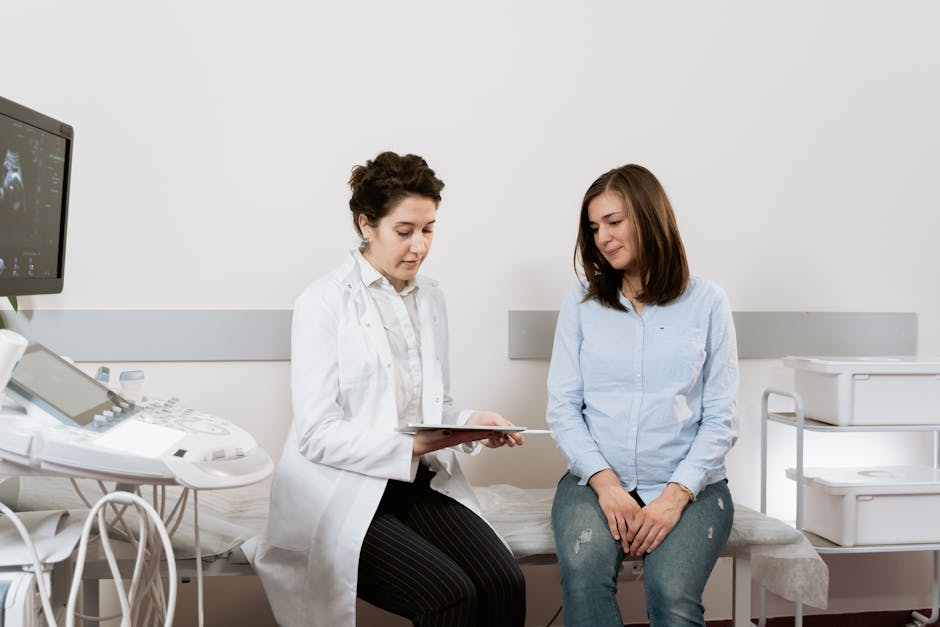
Key Points in Training and Certification:
- Undergraduate Degree: 4 years
- Medical School: 4 years
- Residency: 4 years in obstetrics and gynecology
- Certification: By the American Board of Obstetrics and Gynecology
The journey to becoming an obstetrician is long and demanding, but it equips doctors with the skills and knowledge needed to provide exceptional care to expectant mothers and their babies.
In the next section, we will explore the various services provided by obstetricians, from prenatal care to postnatal support.
Services Provided by Obstetricians
Prenatal Care
Prenatal care is the cornerstone of a healthy pregnancy. As soon as you find out you’re pregnant, it’s important to schedule your first visit with an obstetrician. This typically happens around 7-8 weeks after your last menstrual period.
Preconception Preparation
Before you even conceive, an obstetrician can help you prepare your body for pregnancy. This includes advising on nutrition, vitamins (like folic acid), and lifestyle changes to increase your chances of a healthy pregnancy.
Prenatal Visits
Throughout your pregnancy, you’ll have regular check-ups to monitor your health and your baby’s development. These visits start monthly, then become biweekly, and finally weekly as you approach your due date. During these visits, your obstetrician will:
- Check your blood pressure
- Measure your weight gain
- Monitor the baby’s growth and heartbeat
- Conduct routine lab tests
Genetic Testing
Your obstetrician may recommend genetic testing to screen for conditions that could affect your baby. This can include blood tests, ultrasounds, and sometimes more advanced tests like amniocentesis.
Labor and Delivery
When it’s time to deliver your baby, your obstetrician will be there to guide you through the process, whether you have a vaginal birth or a Cesarean section (C-section).
Vaginal Birth
For a vaginal birth, your obstetrician will monitor your labor progress, manage pain relief, and assist with the delivery. They use techniques like fetal monitoring to ensure your baby is doing well throughout labor.
Cesarean Section
If a C-section is necessary, your obstetrician is trained to perform this surgery. C-sections may be planned in advance or done in response to complications during labor.
Postnatal Care
After your baby is born, postnatal care ensures both you and your baby are healthy. Your obstetrician will monitor your recovery and provide essential support.
Postpartum Care
Your first postnatal visit usually happens about six weeks after delivery. Your obstetrician will check for any complications, monitor your bleeding, and assess your overall recovery.
Breastfeeding Support
Many obstetricians offer breastfeeding support to help new mothers with latching techniques, milk supply issues, and other concerns.
Contraception
Postpartum visits also cover family planning. Your obstetrician can discuss and provide options for contraception to help you plan future pregnancies.
In the next section, we’ll dig into common conditions managed by obstetricians, including high-risk pregnancies and preeclampsia.
Common Conditions Managed by Obstetricians
High-Risk Pregnancy
A high-risk pregnancy has a greater chance of complications for the mother or baby. Obstetricians play a crucial role in managing these pregnancies to ensure the best outcomes.
Risk Factors
- Advanced maternal age (35+)
- Pre-existing health conditions (e.g., diabetes, hypertension)
- Multiple pregnancies (twins, triplets)
- History of pregnancy complications
Management and Monitoring
Obstetricians closely monitor high-risk pregnancies with more frequent visits and specialized tests. This might include additional ultrasounds, blood tests, and consultations with maternal-fetal medicine specialists.
Case Study
A 35-year-old woman with hypertension was closely monitored by her obstetrician. Regular check-ups and blood pressure management ensured she and her baby remained healthy throughout the pregnancy.
Preeclampsia
Preeclampsia is a condition characterized by high blood pressure and signs of damage to other organs, often the liver and kidneys, usually after 20 weeks of pregnancy.
Symptoms
- High blood pressure (140/90 mm Hg or higher)
- Protein in urine
- Severe headaches
- Blurred vision
Diagnosis
Preeclampsia is diagnosed through regular blood pressure checks and urine tests during prenatal visits. If detected early, it can be managed to prevent complications.
Treatment
Treatment often involves medications to lower blood pressure and close monitoring. In severe cases, early delivery may be necessary to protect the health of the mother and baby.
Quote
“Managing preeclampsia is about balancing the health of both the mother and baby. Early detection and treatment are key,” says Dr. Mark S. DeFrancesco, former president of the American College of Obstetricians and Gynecologists.
Ectopic Pregnancy
An ectopic pregnancy occurs when a fertilized egg implants outside the uterus, most commonly in a fallopian tube. This condition can be life-threatening and requires immediate medical attention.
Causes
- Previous ectopic pregnancy
- Inflammation or infection of the fallopian tubes
- Fertility treatments
- Tubal surgery
Symptoms
- Sharp or stabbing pain in the abdomen or pelvis
- Vaginal bleeding
- Dizziness or fainting
- Shoulder pain
Diagnosis
Ectopic pregnancies are diagnosed through pelvic exams, ultrasounds, and blood tests to measure human chorionic gonadotropin (hCG) levels.
Treatment
Treatment options include medication (methotrexate) to stop cell growth and dissolve existing cells, or surgery to remove the ectopic tissue.
Fact
Ectopic pregnancies occur in about 1 out of every 50 pregnancies. Early detection and treatment are crucial for the mother’s health.
In the next section, we’ll answer frequently asked questions about obstetricians.
Frequently Asked Questions about Obstetricians
Is an obstetrician the same as an OB-GYN?
No, but they are closely related. An obstetrician specializes in pregnancy, childbirth, and postnatal care. A gynecologist focuses on the general health of the female reproductive system. Many doctors are certified in both fields and are known as OB-GYNs. This allows them to provide comprehensive care from general reproductive health to pregnancy and delivery.
Should I see a gynecologist or obstetrician?
It depends on your needs:
- For general reproductive health: See a gynecologist. They handle routine exams, contraception, and STI treatments.
- If you are pregnant or planning to be: See an obstetrician or an OB-GYN. They specialize in prenatal care, labor, and delivery.
Tip: If you’re unsure, check your doctor’s certifications on the American Board of Obstetrics and Gynecology website.
What is the job description of an obstetrician?
An obstetrician provides medical care during pregnancy, childbirth, and the postpartum period. Here’s a quick look at their roles:
- Prenatal Care: Monitoring the health of the mother and baby, performing ultrasounds, and conducting genetic tests.
- Labor and Delivery: Managing vaginal and cesarean births, handling complications, and providing pain relief.
- Postnatal Care: Checking the mother’s recovery, supporting breastfeeding, and addressing postpartum depression.
Story: Dr. Mark S. DeFrancesco, former president of the American College of Obstetricians and Gynecologists, describes the joy of delivering a baby as “being the first person to hold another new life in your hands and help create a new family!”

In the next section, we’ll explore more about the personalized care and supportive environment at South Lake OB/GYN.
Conclusion
At South Lake OB/GYN, we believe that personalized care is the cornerstone of effective healthcare. We understand that every woman has unique health needs and concerns, especially during pregnancy and postnatal care.
Personalized Care
We strive to provide custom treatment plans custom to your individual needs. This approach ensures you receive the most effective care and the best possible health outcomes. Our dedicated team of obstetricians and gynecologists is committed to empowering you to make informed decisions about your health.
Supportive Environment
Our clinic offers a respectful and supportive atmosphere, making sure you feel comfortable and heard. We prioritize your privacy and confidentiality, allowing you to discuss your health concerns openly.
Family-Like Atmosphere
We aim to build long-term relationships with our patients. From adolescence through menopause, our goal is to become your go-to provider for all your health needs. By fostering a family-like atmosphere, we ensure continuity of care and ongoing support.
Your health is important. Let us be part of your journey to wellness. Learn more about our women’s health services and schedule your consultation today.
Together, we can achieve the health goals that matter most to you.