


Understanding Proliferative Endometrium
Proliferative endometrium refers to the phase in your menstrual cycle when your uterine lining thickens in preparation for a possible pregnancy.
To quickly understand proliferative endometrium:
- It’s a normal part of the menstrual cycle.
- Initiated by rising estrogen levels.
- Prepares the uterus for a fertilized egg.
- Happens in the first half of your cycle.
During your menstrual cycle, your body undergoes several hormonal changes. These changes prepare your uterus to support a potential pregnancy. At the beginning of your cycle, the endometrial cells in your uterus multiply and spread, thickening the endometrium. If no pregnancy occurs, your body sheds this lining during your period.
My name is Dr. Matthew Casavant, and I’ve specialized in obstetrics and gynecology for over two decades. Throughout my career, I’ve extensively studied and treated conditions related to the proliferative endometrium. I aim to help you understand this crucial part of your reproductive health seamlessly.
Next, we’ll dig deeper into what occurs during this phase and why it matters.
Proliferative endometrium word list:
– endometrial biopsy
– thickened uterine lining seen on ultrasound
– endometrial cancer symptoms
What is Proliferative Endometrium?
Proliferative Endometrium Stage
The proliferative endometrium stage is a key phase in your menstrual cycle. Also known as the follicular phase, this stage is characterized by the multiplication and spreading of endometrial cells. Here’s a closer look at what happens:
- Estrogen Levels Rise: At the start of your cycle, your ovaries ramp up estrogen production. This hormone plays a crucial role in thickening the endometrial lining.
- Cell Multiplication: The term “proliferative” means that cells are actively multiplying. During this phase, the endometrial cells in your uterus multiply and spread, leading to a thicker endometrium.
- Preparation for Egg Release: While the endometrial lining thickens, your ovaries prepare to release a mature egg. This process usually takes about 14 to 18 days, encompassing the first half of your cycle.
Secretory Endometrium Stage
Once an egg is released from your ovaries, the secretory endometrium stage begins. This stage is all about preparing for a potential pregnancy:
- Mature Egg Release: The mature egg is released from the ovary and travels down the fallopian tube, ready for fertilization.
- Endometrial Cells Mature: The newly thickened endometrial cells mature and become ready for the implantation of a fertilized egg. Your uterus is essentially in a “waiting mode” for about a week.
- Implantation Preparation: If a fertilized egg arrives, it will implant itself into the thickened endometrial lining. If no fertilized egg is implanted, your body will prepare to shed this lining, marking the end of this phase and the start of your menstrual period.
This phase also lasts for about 14 to 18 days, covering the second half of your cycle.
Understanding these stages helps clarify why the proliferative endometrium is vital for reproductive health. It’s a finely tuned process driven by hormonal changes, primarily estrogen, to prepare your uterus for a potential pregnancy.
Next, we’ll explore what happens when this process doesn’t go as planned, leading to disordered proliferative endometrium.
Disordered Proliferative Endometrium
When the endometrial lining doesn’t grow uniformly, it leads to disordered proliferative endometrium. This condition can cause irregular growth and asymmetrical proliferation of the endometrial cells, often resulting in unusual bleeding patterns.
Causes of Disordered Proliferative Endometrium
Several factors can contribute to this condition:
- Excess Estrogen: High levels of estrogen without the balancing effect of progesterone can cause the endometrium to grow excessively. This is common in conditions like polycystic ovary syndrome (PCOS) and obesity.
- Endometrial Hyperplasia: This is a thickening of the endometrium and often occurs during perimenopause or in response to high doses of estrogen. According to the American College of Obstetricians and Gynecologists, it’s a risk factor for endometrial cancer.
- Uterine Polyps: These are benign growths that can occur in women of all ages but are most common after menopause. They can cause irregular bleeding and may require removal.
- Atrophic Endometrium: After menopause, the endometrial lining can become thin and fragile, leading to irregular bleeding.
- Endometrial Cancer: In some cases, disordered proliferative endometrium can be an early sign of endometrial cancer. This is why it’s crucial to consult a doctor if you experience any unusual bleeding.
Symptoms to Watch For
Being aware of the symptoms can help in early diagnosis and treatment. Here are the key signs:
- Spotting Between Periods: Any unexpected bleeding between your regular menstrual cycles should be checked by a doctor.
- Heavy Bleeding: If you soak through pads or tampons every hour for several hours, it’s a sign of heavy bleeding that needs medical attention.
- Painful Periods: Experiencing severe cramps or pain during your periods can indicate an underlying issue.
- Irregular Cycles: Menstrual cycles that are shorter than 21 days or longer than 35 days can be a symptom of disordered proliferative endometrium.
- Difficulty Getting Pregnant: If you’re having trouble conceiving, it could be related to irregular endometrial growth.
Understanding these symptoms and their causes can help in identifying and managing disordered proliferative endometrium effectively. If you experience any of these symptoms, it’s essential to consult with your gynecologist for proper diagnosis and treatment.
Diagnosis and Evaluation
Endometrial Biopsy Procedure
An endometrial biopsy is a common procedure used to diagnose conditions related to the endometrial lining, including disordered proliferative endometrium. This in-office procedure involves collecting a small tissue sample from the lining of the uterus for examination.
- Preparation: You will lie back in a gynecological position, similar to when you have a pelvic exam. Your doctor will insert a speculum to hold the vagina open and access the cervix.
- Sampling: A small, flexible tube called a pipelle is gently passed through the cervix into the uterus. The doctor then moves the pipelle around while drawing back the plunger to collect a tissue sample.
- Aftercare: The procedure is quick, and any discomfort usually subsides within 10 to 20 minutes. Taking an over-the-counter pain reliever like ibuprofen before the procedure can help manage any cramping.

The collected tissue is sent to a pathologist for analysis to check for abnormal cells, including signs of hyperplasia or cancer.
Role of Ultrasonography
Ultrasonography, particularly transvaginal ultrasonography, plays a crucial role in evaluating the endometrium. This non-invasive imaging test uses a small wand inserted into the vagina to create detailed images of the uterus and ovaries.
- Endometrial Thickness: One of the key aspects evaluated is the thickness of the endometrial lining. An unusually thick endometrium can indicate hyperplasia or other abnormalities.
- Polyps and Focal Lesions: The ultrasound can also detect uterine polyps and other focal lesions that may cause irregular bleeding or other symptoms.
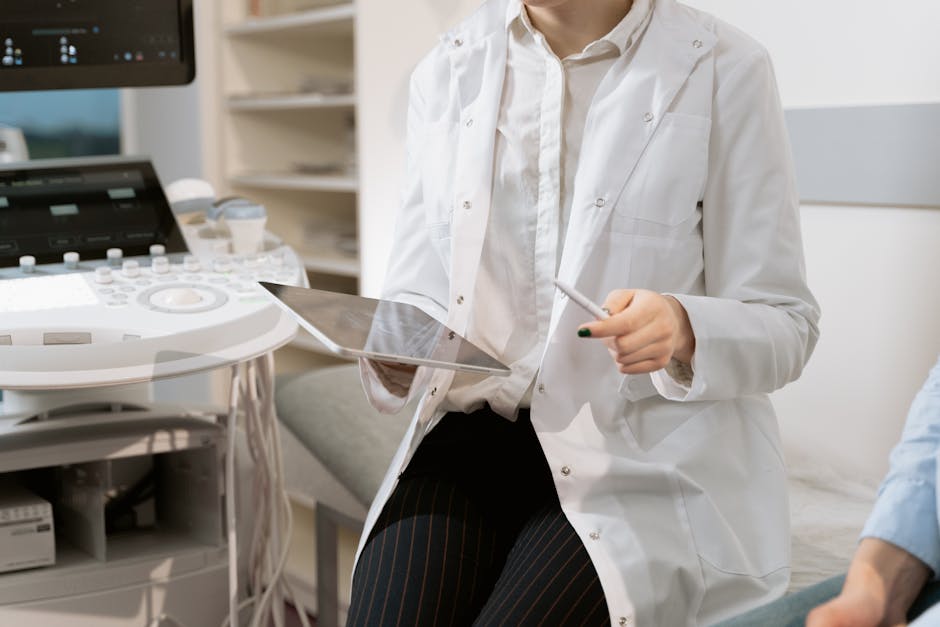
Ultrasonography provides valuable information that helps in diagnosing conditions like disordered proliferative endometrium and planning appropriate treatment.
By combining the insights from an endometrial biopsy and ultrasonography, doctors can accurately diagnose and manage conditions affecting the endometrium. This comprehensive approach ensures that any abnormalities are identified early, improving the chances of effective treatment.
Treatment Options
When it comes to treating a proliferative endometrium, there are several options available. These treatments aim to manage irregular growth and prevent progression to more severe conditions like endometrial hyperplasia or cancer.
Oral Progestins
Oral progestins are a common treatment for managing proliferative endometrium. These medications help balance the effects of estrogen on the endometrial lining, reducing the risk of abnormal cell growth.
Benefits:
– Regression Rates: Studies show that oral progestins can effectively reduce the thickness of the endometrial lining and manage symptoms.
– Treatment Duration: Typically, treatment can last from a few months to a year, depending on the patient’s response and the severity of the condition.
Side Effects:
– Common side effects include bloating, weight gain, irritability, and depression. These are more likely with oral formulations compared to other methods.
Levonorgestrel-Releasing Intrauterine System (LNG-IUS)
The Levonorgestrel-Releasing Intrauterine System (LNG-IUS) is another effective treatment option. This small device is placed inside the uterus and releases a steady dose of levonorgestrel, a type of progestin.
Benefits:
– Higher Regression Rates: Research indicates that the LNG-IUS is more effective than oral progestins in reducing endometrial thickness and symptoms.
– Endometrial Concentrations: The local release of progestin directly into the endometrial lining results in higher concentrations, making it more effective in targeting abnormal cells.
Side Effects:
– Some women may experience discomfort during insertion, and there is a small risk of uterine perforation. However, systemic side effects like weight gain and mood changes are less common than with oral progestins.
Observation
In some cases, observation may be a reasonable approach, especially if the proliferative endometrium is mild and asymptomatic. Regular monitoring with ultrasounds and biopsies can help track any changes and decide if intervention is needed later.
Hysteroscopy and Dilation and Curettage (D&C)
For more severe cases or if there are focal lesions, hysteroscopy and dilation and curettage (D&C) may be recommended.
- Hysteroscopy: This procedure involves inserting a small camera into the uterus to directly visualize and possibly treat abnormalities.
- Dilation and Curettage (D&C): This involves dilating the cervix and scraping the uterine lining to remove abnormal tissues. It can be diagnostic and therapeutic.
Both procedures are typically performed under anesthesia and may require some recovery time.
Comparison
| Treatment | Regression Rates | Side Effects | Duration |
|---|---|---|---|
| Oral Progestins | Effective but variable | Bloating, weight gain, irritability, depression | Few months to a year |
| LNG-IUS | Higher and more consistent | Discomfort during insertion, rare systemic effects | Long-term (5 years) |
| Observation | Depends on progression | None | Regular monitoring |
| Hysteroscopy and D&C | Effective for severe cases | Anesthesia risks, recovery time | Procedure-specific |
Choosing the right treatment depends on various factors, including the severity of the condition, patient preferences, and tolerance for side effects. Always consult with your doctor to determine the best approach for managing a proliferative endometrium.
Frequently Asked Questions about Proliferative Endometrium
Is Proliferative Endometrium a Diagnosable Condition?
Proliferative endometrium is not a diagnosable condition per se; rather, it describes a healthy phase of the menstrual cycle. During this phase, your endometrial cells are actively multiplying, preparing the uterus for a possible pregnancy. This stage is driven by rising estrogen levels, which cause the endometrial lining to thicken.
However, if this cell growth becomes irregular or asymmetrical, it may be described as disordered proliferative endometrium. This can lead to various symptoms and may require further evaluation.
What are the Risks Associated with Proliferative Endometrium?
While a healthy proliferative endometrium is a normal part of the menstrual cycle, certain conditions can cause this process to become disordered. Here are some risks associated with disordered proliferative endometrium:
- Endometrial Hyperplasia: This occurs when the endometrial tissue grows excessively due to high estrogen levels. It can sometimes lead to endometrial cancer if left untreated.
- Uterine Polyps: Overgrowth of the endometrial tissue can lead to the formation of polyps, which are usually benign but can cause bleeding and other symptoms.
- Atrophic Endometrium: Common during and after menopause, this condition results from a loss of estrogen and can cause unexpected bleeding.
- Endometrial Cancer: Almost all uterine cancers start in the cells lining the uterus. Women with disordered proliferative endometrium are at a higher risk of developing this type of cancer.
How is Disordered Proliferative Endometrium Managed?
Management of disordered proliferative endometrium depends on the underlying cause and severity of the condition. Here are some common approaches:
- Monitoring: In mild cases, regular monitoring with ultrasounds and biopsies may be sufficient. This helps track any changes and decide if intervention is needed later.
- Progestin Treatment: Oral progestins or a Levonorgestrel-Releasing Intrauterine System (LNG-IUS) can help regulate the growth of endometrial cells. Progestins balance the effects of estrogen and can reduce the risk of hyperplasia and cancer.
- Surgical Intervention: For more severe cases, procedures like hysteroscopy and dilation and curettage (D&C) may be recommended. These procedures can remove abnormal tissues and provide a more definitive diagnosis.
Always consult your doctor to determine the best approach for managing a proliferative endometrium. They can guide you through the options based on your specific condition and needs.
Conclusion
At South Lake OB/GYN, we understand that navigating conditions like proliferative endometrium can be overwhelming. Our commitment is to provide personalized care custom to each patient’s unique needs.
Personalized Care
Every woman’s health journey is different. That’s why we take the time to listen to your concerns, understand your lifestyle, and create a custom treatment plan that fits seamlessly into your life. Whether it’s through regular monitoring, progestin treatments, or surgical interventions, we ensure that your care is as unique as you are.
Long-Term Monitoring
For conditions like disordered proliferative endometrium, long-term monitoring is crucial. Regular ultrasounds and biopsies help us keep track of any changes in your endometrial lining. This proactive approach allows us to intervene early if necessary, reducing the risk of complications like endometrial hyperplasia or cancer.
Patient Education
We believe that informed patients make the best decisions about their health. That’s why we emphasize patient education. From explaining your diagnosis in simple terms to discussing the pros and cons of each treatment option, we ensure you have all the information you need to feel confident in your care plan.
For more detailed information on how we can help you manage your endometrial health, visit our Endometrial Biopsy page.
At South Lake OB/GYN, your health and well-being are our top priorities. We’re here to support you every step of the way.