


When you’re searching for a gynecologist specializing in fibroids near me, location and expertise are crucial. Fibroids, noncancerous growths in the uterus, can impact your comfort and health significantly. Finding a specialist who understands these complexities and offers compassionate, personalized care is a top priority for many women.
- Identify local experts in fibroid care for custom advice and treatment.
- Gain insights into maintaining uterine health and addressing gynecological concerns.
- Benefit from expert knowledge on managing fibroid-related symptoms.
Understanding fibroids is vital for maintaining uterine health, especially during the reproductive years when these benign tumors are most common. Women navigating these health challenges need expert guidance and support.
I am Matthew Casavant, an expert in minimally invasive gynecologic surgery with over a decade of experience focusing on fibroids. Having pioneered advanced procedures, I provide expert care in identifying the best options for managing fibroid-related concerns. Let’s explore how to understand and address fibroids effectively.
Quick gynecologist specializing in fibroids near me terms:
– Gynecology
– female gynecologist near me accepting new patients
– obgyn for pregnancy
Understanding Fibroids
Fibroids are noncancerous tumors that develop in or on the uterus. Imagine them as small lumps, sometimes as tiny as a seed or as large as a grapefruit. These growths are made up of smooth muscle cells and fibrous tissue, much like the muscles in your uterus. The good news? They’re almost always benign, meaning they aren’t cancerous. But, they can still cause discomfort or other issues.

Uterine Growths and Their Impact
Fibroids can grow in different parts of the uterus. They might be found on the outer surface, within the wall, or even inside the uterine cavity. Each location can lead to different symptoms, like heavy periods, pain, or pressure in the abdomen.
Did you know? As many as 80% of women in the U.S. will develop a fibroid before age 50. These growths are most common during the reproductive years, typically appearing in women in their 30s or 40s. While researchers aren’t entirely sure why fibroids develop, they believe hormones and genetics play a significant role. If your mom or sister had fibroids, you might be more likely to have them too.
Why Understanding Fibroids Matters
Understanding fibroids is crucial for managing your health. While they often don’t cause symptoms, when they do, they can affect your daily life. Recognizing the signs early can lead to more effective treatments. Some women might experience heavy menstrual bleeding, pelvic pain, or frequent urination, while others might not notice any symptoms at all.
If you’re experiencing any of these symptoms, it’s important to consult with a gynecologist specializing in fibroids near me. This can help you get a proper diagnosis and explore treatment options custom to your needs.
In the next section, we will explore the symptoms and diagnosis of fibroids, helping you identify when it’s time to seek medical advice.
Symptoms and Diagnosis of Fibroids
Fibroids can be sneaky. Many women don’t even know they have them until a routine check-up. But when symptoms do show up, they can be hard to ignore.
Recognizing Symptoms
Abdominal Pain: One of the most common symptoms is a persistent pain in the lower abdomen. It might feel like a dull ache or a sharp, stabbing sensation. This discomfort can sometimes extend to the lower back.
Heavy Menstrual Bleeding: If you’re changing pads or tampons more often than usual, it might be more than just a heavy period. Fibroids can cause prolonged and heavy menstrual bleeding.
Pelvic Pressure: Some women describe it as feeling like there’s a weight in their lower abdomen. This pressure can lead to a sense of fullness in the belly area.
Frequent Urination: If you’re finding yourself running to the bathroom more often, fibroids pressing on the bladder could be the culprit.
How Fibroids Are Diagnosed
When you visit a gynecologist specializing in fibroids near me, they will likely start with a pelvic exam. During this exam, the doctor checks your uterus for any unusual size or shape. If fibroids are suspected, the next step is usually an ultrasound.
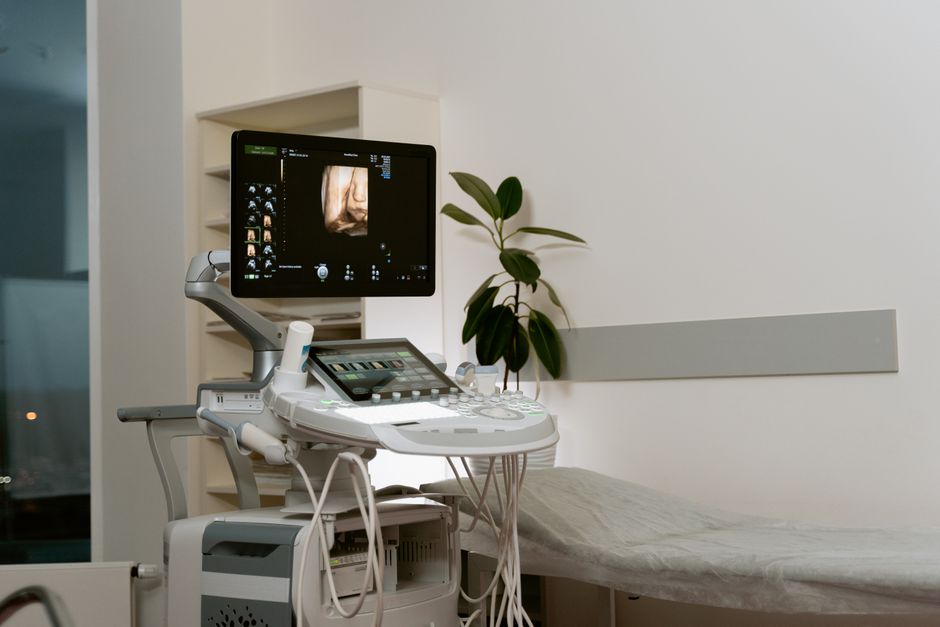
Ultrasound: This is a painless test that uses sound waves to create images of your uterus. It’s like getting a sneak peek inside your body. The ultrasound can show the size, number, and location of fibroids.
Sometimes, additional imaging tests like an MRI might be recommended for more detailed information, especially if surgery is being considered.
When to See a Specialist
If you experience any of these symptoms, it’s a good idea to talk to a healthcare provider. Early detection can lead to better management and more treatment options. Not all fibroids need treatment, but understanding your body and knowing when something isn’t right is key.
In the next section, we’ll dive into the various treatment options available for fibroids, from medication to surgical procedures.
Treatment Options for Fibroids
When it comes to fibroids, treatment isn’t a one-size-fits-all situation. Medication, myomectomy, hysterectomy, and uterine artery embolization are some options available, each with its own set of benefits and considerations.
Medication
If you’re dealing with mild symptoms, medication might be your first line of defense. Drug therapy can help manage heavy bleeding and ease painful periods, but it won’t shrink fibroids. Birth control pills or hormonal IUDs can regulate menstrual cycles and reduce bleeding. Gonadotropin-releasing hormone (GnRH) agonists can temporarily shrink fibroids, but they often come with side effects like hot flashes and bone thinning, making them a short-term solution.
Myomectomy
For women who wish to preserve their fertility, a myomectomy is often recommended. This procedure removes fibroids while keeping the uterus intact. Myomectomy can be performed in several ways:
- Laparoscopic or Robotic Myomectomy: Minimally invasive and involves small incisions. This option typically offers a quicker recovery.
- Abdominal Myomectomy: Used for larger fibroids. It requires a larger incision, but allows for the removal of multiple or deeply embedded fibroids.
- Hysteroscopic Myomectomy: Ideal for fibroids inside the uterine cavity, accessed through the cervix without incisions.
Hysterectomy
If fibroids are causing severe symptoms and other treatments haven’t worked, a hysterectomy might be considered. This surgery removes the uterus and is a definitive solution, ensuring fibroids won’t return. It’s often recommended for women who don’t plan on having children. The procedure can be done through various approaches, including minimally invasive techniques that allow for faster recovery.
Uterine Artery Embolization (UAE)
For those looking for a non-surgical option, uterine artery embolization (UAE) might be suitable. This procedure cuts off the blood supply to fibroids, causing them to shrink. It’s less invasive than surgery and usually involves a shorter recovery time, but it’s not recommended for women who wish to become pregnant in the future due to potential risks to uterine function.
Each treatment option has its pros and cons, and the best choice depends on individual circumstances like fibroid size, location, symptoms, and personal goals. It’s essential to work closely with a gynecologist specializing in fibroids near me to determine the most appropriate treatment plan.
In the next section, we’ll explore how to find the right specialist to guide you through your fibroid journey.
Gynecologist Specializing in Fibroids Near Me
Finding the right gynecologist specializing in fibroids near me is crucial for effective treatment and management. These specialists are adept at diagnosing and treating fibroids with a variety of techniques, ensuring you receive the best care possible.
Focused Ultrasound Treatment
One innovative option available is focused ultrasound treatment. This procedure uses high-frequency sound waves to target and destroy fibroid tissue. It’s a non-invasive approach, meaning no incisions are required, and recovery time is typically shorter than traditional surgeries. This method is particularly appealing for those who want to avoid the risks associated with more invasive procedures.
Reproductive Endocrinologist
For women whose fibroids affect their fertility, consulting a reproductive endocrinologist can be beneficial. These specialists focus on hormones and reproductive health, offering treatments that address fibroid-related infertility. They can help tailor a plan that considers both fibroid management and fertility preservation, ensuring you have the best chance of achieving your family planning goals.
Gynecologist
A seasoned gynecologist plays a pivotal role in managing fibroid symptoms and guiding you through treatment options. They perform initial evaluations using pelvic exams and ultrasounds, as outlined in the research, and can recommend further diagnostic tests like MRI or hysteroscopy if needed. With their expertise, they can help you decide if a surgical or non-surgical route is best, considering your symptoms and future reproductive plans.
Finding a gynecologist with experience in fibroid management ensures personalized care and access to the latest treatment methods. They can provide insights into minimally invasive options, like laparoscopic or robotic surgery, which offer faster recovery and less pain.
In the following section, we’ll discuss how to choose the right specialist who can offer personalized care and support throughout your fibroid treatment journey.
Choosing the Right Specialist
Selecting the right specialist for fibroid treatment is essential. You want someone with experience, who offers personalized care, and is skilled in minimally invasive surgery.
Experience
Experience matters when dealing with fibroids. A seasoned specialist has likely encountered a wide range of cases and knows how to handle unexpected situations. They can tailor treatments to fit your unique needs, whether that involves medication, surgery, or other options. Look for board-certified gynecologists or reproductive endocrinologists who specialize in fibroid management.
Personalized Care
Personalized care means your specialist listens to your concerns and considers your lifestyle, health goals, and reproductive plans. They should discuss all available treatments, from medications to surgery, and help you decide what’s best. They will work with you to create a treatment plan that aligns with your personal health goals.
Minimally Invasive Surgery
Minimally invasive surgery is a game-changer for fibroid treatment. Procedures like laparoscopic or robotic-assisted myomectomy involve smaller incisions, leading to faster recovery and less pain. These surgeries are precise and effective, often allowing you to return to normal activities more quickly than traditional surgery. Specialists skilled in these techniques can offer significant advantages, especially if you want to preserve fertility or minimize downtime.
Choosing a specialist who provides these advanced options can make a big difference in your treatment experience. They should be able to explain the benefits and risks of each procedure, helping you make an informed decision.
In the next section, we’ll cover frequently asked questions about fibroids, including which doctor is best for fibroid treatment and the latest non-surgical options available.
Frequently Asked Questions about Fibroids
Which doctor is best for fibroids?
When dealing with fibroids, finding the right doctor is crucial. Generally, a gynecologist is the go-to specialist for fibroid management. They are experts in women’s reproductive health and can offer a range of treatments from medications to surgeries. For more complex cases, a reproductive endocrinologist might be recommended. These specialists focus on hormonal imbalances and fertility issues, making them well-suited for fibroid cases that affect reproductive plans.
What is the new treatment for fibroids without surgery?
Non-surgical options have advanced significantly. One of the latest treatments is focused ultrasound treatment, which uses high-frequency sound waves to target and destroy fibroid tissue. This procedure is guided by an MRI to ensure precision. It’s non-invasive, meaning no incisions, and recovery is typically quick. This treatment can be a great option for those who want to avoid surgery and its associated downtime.
What size fibroids need surgery?
Not all fibroids require surgical intervention. However, when fibroids grow larger than 3 cm, or if they cause significant symptoms like severe pain or heavy bleeding, surgery might be necessary. The decision to proceed with surgery also depends on how the fibroids impact your daily life and reproductive health. It’s essential to discuss with your specialist to understand the best course of action custom to your specific situation.
In the next section, we’ll conclude by discussing how South Lake OB/GYN offers personalized care and a supportive environment for those navigating fibroid treatment.
Conclusion
At South Lake OB/GYN, we understand that dealing with fibroids can be a challenging experience. That’s why we are dedicated to providing personalized care custom to each patient’s unique needs. Our team of specialists is committed to open communication, ensuring you feel heard and supported every step of the way.
We pride ourselves on creating a supportive environment that feels like family. Our approach is centered around building trust and offering compassionate care. Whether you’re exploring treatment options or seeking advice on managing fibroid symptoms, we’re here to guide you with expertise and empathy.
Choosing the right specialist is crucial for effective fibroid management. At South Lake OB/GYN, we offer advanced treatments, including minimally invasive surgeries, to ensure the best outcomes with minimal recovery time. Our commitment to excellence and patient satisfaction sets us apart.
If you’re searching for a gynecologist specializing in fibroids near me, look no further. Let us be your partner in health, providing the care and support you deserve. For more information on our services and to explore your options, please visit our gynecology service page.
We are here to help you regain your health and well-being, ensuring you feel confident and informed about your healthcare choices.