


Gynecologist definition: A gynecologist is a medical professional specializing in the health of the female reproductive system, which includes the uterus, ovaries, fallopian tubes, and breasts. They focus on diagnosing and treating diseases related to these organs, ensuring that women maintain their reproductive health through regular checkups, cancer screenings, and management of various conditions.
Gynecology, alongside obstetrics, plays a vital role in women’s health. While gynecology focuses on non-pregnant women’s reproductive systems, obstetrics addresses pregnancy, childbirth, and postpartum care. These fields are often combined in practice, providing comprehensive care to women at different stages of their lives.
I’m Dr. Matthew Casavant, and I’ve dedicated my career to advancing women’s health, with a particular focus on the gynecologist definition and its implications in everyday practice. Over my years as an OB/GYN, I’ve prioritized a partnership approach, emphasizing active listening and clear communication to ensure my patients feel supported through their health journeys.
Let’s dig deeper into the role of a gynecologist and the comprehensive care they provide.
Relevant articles related to gynecologist definition:
– gynecology meaning
– ob-gyn meaning
– obstetrics vs gynecology difference
Gynecologist Definition
Role of a Gynecologist
A gynecologist is your go-to expert for all things related to the female reproductive system. They specialize in diagnosing and treating diseases that affect the uterus, ovaries, fallopian tubes, and breasts. Think of them as your reproductive health partner, helping you steer everything from routine checkups to more complex health issues.
Preventive Care and Cancer Screenings
Preventive care is a major part of a gynecologist’s job. Regular visits can help catch potential issues early, such as cervical or breast cancer. Gynecologists perform important tests like Pap smears and pelvic exams to screen for these conditions, ensuring any signs of trouble are addressed promptly.
Reproductive Health
Gynecologists are also there to support your overall reproductive health. Whether it’s managing menstrual issues, addressing pelvic pain, or helping with fertility concerns, they offer guidance and treatment custom to your needs.
Education and Training
Becoming a gynecologist requires extensive education and training. Here’s a quick breakdown:
Medical School
Aspiring gynecologists start with four years of medical school, where they learn the basics of medicine and begin to specialize in female reproductive health.Residency
After medical school, there’s a four-year residency program focused on obstetrics and gynecology. This hands-on training is where they hone their skills in diagnosing and treating reproductive health issues.Certification
To practice independently, gynecologists must pass a series of exams to become board-certified. This process includes both written and oral tests, ensuring they have the knowledge and experience to provide top-notch care.
Some gynecologists also choose to pursue further subspecialty training in areas like family planning or pediatric and adolescent gynecology. This additional training allows them to offer even more specialized care to their patients.
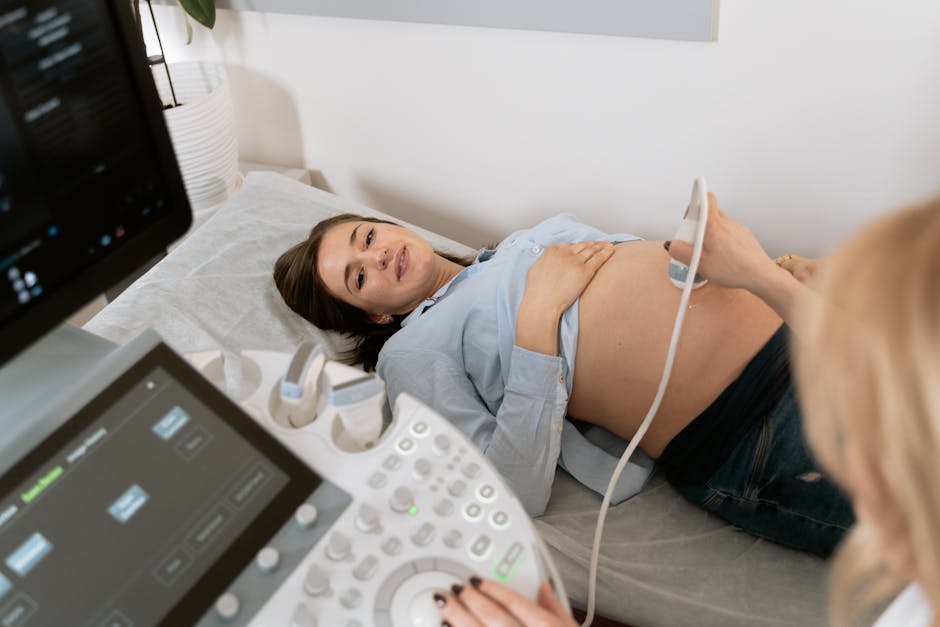
In summary, a gynecologist is a highly trained expert dedicated to maintaining and improving women’s reproductive health through comprehensive care and preventive measures. Whether you’re dealing with a specific health issue or just need a routine checkup, your gynecologist is there to support you every step of the way.
Differences Between Gynecologist and OB/GYN
While “gynecologist” and “OB/GYN” are often used interchangeably, there are important differences between the two roles. Understanding these distinctions can help you decide which specialist is best suited for your needs.
Obstetrics
Obstetrics is the field focused on pregnancy, childbirth, and the postpartum period. Obstetricians are specialists in managing all aspects of pregnancy. From the initial confirmation of pregnancy to the delivery of the baby, obstetricians provide comprehensive care. They are trained to handle routine pregnancies as well as high-risk situations.
Pregnancy Care
During pregnancy, an obstetrician monitors the health of both the mother and the developing fetus. This includes regular check-ups, ultrasounds, and tests to ensure everything is progressing smoothly. Obstetricians also offer guidance on nutrition, exercise, and any lifestyle changes needed to support a healthy pregnancy.
Childbirth
When it comes to delivery, obstetricians are the experts in bringing babies into the world. They perform vaginal deliveries and are also trained to conduct Cesarean sections if necessary. Their goal is to ensure a safe and healthy birth experience for both mother and child.
OB/GYN: A Dual Role
An OB/GYN is a doctor who is trained in both obstetrics and gynecology. This dual expertise allows them to provide care throughout a woman’s life, from puberty through menopause, and during pregnancy. While some OB/GYNs choose to focus on one area more than the other, many offer a full spectrum of care that includes both gynecological health and pregnancy management.
In summary, gynecologists focus on the health of the female reproductive system, while obstetricians specialize in pregnancy and childbirth. An OB/GYN combines both specialties, offering comprehensive care for women at all stages of life.
Reasons to See a Gynecologist
Visiting a gynecologist is an essential part of maintaining good health for anyone with female reproductive organs. Here are some key reasons why you might schedule an appointment:
Routine Checkups
Routine checkups with a gynecologist are crucial for preventive care. These visits often include pelvic exams and Pap tests, which help in early detection of issues such as cervical cancer. Regular visits allow your doctor to monitor your reproductive health and address any concerns you might have.
Pelvic Pain
Experiencing pain in the lower abdomen or pelvic region is a common reason to see a gynecologist. Pelvic pain can be a sign of various conditions, including ovarian cysts or endometriosis. A gynecologist can diagnose the cause of the pain and recommend appropriate treatments.
Menstrual Issues
Irregular, painful, or heavy periods can significantly affect your quality of life. Conditions like dysmenorrhea (painful periods) or amenorrhea (absence of periods) can often be managed with the help of a gynecologist. They can provide treatments to regulate menstrual cycles and alleviate discomfort.
Endometriosis
Endometriosis is a condition where tissue similar to the lining inside the uterus grows outside the uterus, causing pain and sometimes infertility. A gynecologist can diagnose endometriosis through exams and imaging tests and offer treatments, which may include medication or surgery.
Ovarian Cysts
Ovarian cysts are fluid-filled sacs that can form on the ovaries. While many cysts are harmless and resolve on their own, some can cause pain and complications. A gynecologist can assess the size and type of cysts and determine if treatment is needed.
STIs (Sexually Transmitted Infections)
Gynecologists provide testing and treatment for STIs. Regular screenings are important, especially if you are sexually active, as many STIs can have serious health consequences if left untreated. A gynecologist can also offer advice on prevention and safe practices.
Seeing a gynecologist regularly helps in the early detection and treatment of these common conditions, ensuring your reproductive system stays healthy.
What to Expect During a Gynecological Exam
When you visit a gynecologist, understanding what to expect can help ease any anxiety. Let’s break down the key components of a typical gynecological exam: the pelvic exam, Pap test, and the use of a speculum.
Pelvic Exam
A pelvic exam is a standard procedure during a gynecological visit. Here’s what happens:
- External Examination: The doctor will first examine the external genital area for any abnormalities or signs of infection.
- Internal Examination: Using a gloved hand, the gynecologist will gently insert one or two fingers into the vagina while pressing on the abdomen with the other hand. This helps in checking the uterus, ovaries, and other pelvic organs for any irregularities.
The pelvic exam is generally quick and shouldn’t cause discomfort. It’s an important part of preventive care and helps detect any potential issues early on.
Pap Test
A Pap test, sometimes called a Pap smear, is a crucial part of a gynecological exam. It screens for cervical cancer by detecting abnormal cells in the cervix. Here’s how it works:
- Speculum Insertion: A speculum, a medical instrument, is gently inserted into the vagina. It helps to keep the vagina open so the doctor can see the cervix clearly.
- Cell Collection: The doctor uses a small brush or spatula to collect cells from the cervix. This process is quick and usually painless, though you might feel a slight pressure.
The Pap test is recommended for individuals over the age of 21 and is vital for early detection of cervical cancer and other issues.
The Speculum
The speculum might sound intimidating, but it’s a simple tool used during a gynecological exam. Here’s what you should know:
- Purpose: The speculum helps to gently open the vaginal walls, allowing the gynecologist to view the cervix and vagina.
- Comfort: Speculums come in different sizes to ensure comfort. While it might feel a bit strange, it should not be painful.
Understanding the role of the speculum can help explain its use and make the exam feel less daunting.
Regular gynecological exams, including pelvic exams and Pap tests, are essential for maintaining reproductive health. They provide valuable insights into your health and help in early detection of potential issues.
Frequently Asked Questions about Gynecologists
What exactly does a gynecologist do?
A gynecologist is a doctor specializing in the female reproductive system. They play a crucial role in both diagnosing and treating diseases related to reproductive health. This includes everything from common infections to more serious conditions like cancer.
Preventive care is a big part of what gynecologists do. They perform cancer screenings, such as Pap tests, to catch potential issues early. They also provide guidance on reproductive health, including birth control and sexual health education.
Gynecologists address a range of health concerns. From painful periods and vaginal discharge to sexually transmitted infections (STIs), they offer treatments to help manage and resolve these issues.
Why would a woman see a gynecologist?
Women visit gynecologists for various reasons. Routine checkups are essential for maintaining reproductive health. These visits often include cancer screenings and discussions about birth control and fertility.
Painful periods or pelvic pain can signal underlying issues like endometriosis or ovarian cysts, which gynecologists can diagnose and treat. Vaginal discharge changes might indicate infections or other health concerns, and a gynecologist can provide the necessary tests and treatments.
Additionally, gynecologists help manage STIs, offering both testing and treatment options. Regular visits ensure that any issues are caught early and treated effectively.
What is the difference between a gynecologist and an OB/GYN?
While both gynecologists and OB/GYNs focus on the female reproductive system, an OB/GYN has additional expertise in obstetrics, which involves pregnancy care and childbirth. This dual role means they manage women’s health throughout pregnancy and delivery, as well as handle any complications that may arise.
Gynecologists, on the other hand, focus primarily on reproductive health outside of pregnancy. They handle everything from routine exams to complex surgeries, but do not typically manage pregnancies.
Choosing between a gynecologist and an OB/GYN often depends on your specific health needs. If you’re pregnant or planning to become pregnant, an OB/GYN is the best choice. For other reproductive health concerns, a gynecologist is well-equipped to provide care.
Conclusion
At South Lake OB/GYN, we believe in the power of personalized care. Every woman is unique, and so are her health needs. Our approach is to tailor our services to fit each patient’s individual concerns. This ensures that you receive the best possible care and support.
Our team is dedicated to creating a supportive environment where you feel comfortable and respected. We understand that discussing reproductive health can sometimes be challenging. That’s why we prioritize open communication and confidentiality. We want you to feel at ease when sharing your health concerns with us.
We strive to build long-term relationships with our patients. Our goal is to be there for you through every stage of life, from adolescence to menopause. By fostering a family-like atmosphere, we ensure continuity of care and ongoing support.
Your health journey is important to us. Let us be a part of it. Explore our services and schedule a consultation today. Together, we can achieve the health goals that matter most to you.