


Women’s health issues are more than just gynecological concerns. They encompass a wide range of health matters that affect women differently than men, and recognizing these differences is crucial for proper diagnosis and care. Here are some key points to consider about women’s health issues:
- Women might show different symptoms than men during conditions like heart attacks.
- Depression, anxiety, and urinary tract issues are more prevalent among women.
- Unique female health concerns include pregnancy, menopause, and reproductive conditions.
Understanding and addressing these specialized health concerns is vital in ensuring that women receive the appropriate care custom to their needs.
I’m Dr. Matthew Casavant, founder of a practice dedicated to women’s health. With years of experience in obstetrics and gynecology, I am committed to providing compassionate and specialized care to address various women’s health issues. This article will guide you through understanding and managing these critical health concerns.
Women’s health issues terms made easy:
– advanced women’s health
– comprehensive women’s health
– holistic women’s health
Understanding Women’s Health Issues
When we talk about women’s health issues, it’s easy to jump straight to gynecological concerns. But there’s so much more. Let’s explore the key areas: gynecological concerns, reproductive health, and chronic conditions.
Gynecological Concerns
Gynecological health is a cornerstone of women’s health. It includes conditions like polycystic ovary syndrome (PCOS), endometriosis, and cervical cancer. These issues can affect menstrual cycles, fertility, and overall well-being.
Take endometriosis, for example. It’s a condition where tissue similar to the lining inside the uterus grows outside it. This can lead to severe pain and even infertility. It affects about 1 in 10 women of reproductive age, yet it often goes undiagnosed for years.
Regular check-ups and screenings, like Pap tests and HPV screenings, are crucial. They help detect cervical cancer early, which was once a leading cause of death among women but has decreased significantly with regular screenings.
Reproductive Health
Reproductive health covers a broad spectrum, from contraception to pregnancy and menopause. It’s not just about having babies; it’s about managing your reproductive system throughout your life.
Consider pregnancy. Early and regular prenatal care is vital for a healthy pregnancy. It helps monitor the health of both the mother and the baby, reducing risks of complications.
Menopause is another significant phase, affecting women usually in their late 40s to early 50s. Symptoms like hot flashes and sleep disturbances can impact daily life, but treatments and lifestyle changes can help manage these symptoms.
Chronic Conditions
Women often face chronic conditions that manifest differently than they do in men. Heart disease, for instance, is the leading cause of death among women. Yet, symptoms in women can be subtler than the classic chest pain often seen in men.
Osteoporosis is another chronic condition more common in women, especially post-menopause. It weakens bones, making them more prone to fractures. Increasing calcium intake and engaging in weight-bearing exercises can help combat this.
Diabetes also poses unique challenges. Women with diabetes are at a higher risk for heart disease compared to men with diabetes. Maintaining a healthy lifestyle, with a balanced diet and regular exercise, is essential in managing these risks.

Understanding these women’s health issues is the first step in managing them effectively. Regular screenings, a healthy lifestyle, and personalized care are key to navigating these challenges.
In the next section, we’ll explore the top health concerns for women and how they can be addressed.
Top Women’s Health Concerns
When it comes to women’s health issues, there are some big ones that need our attention. Let’s take a closer look at the top concerns: heart disease, breast cancer, osteoporosis, diabetes, and maternal health.
Heart Disease
Heart disease is the number one cause of death for women. It often sneaks up with symptoms that are different from men’s, like nausea or shortness of breath instead of the classic chest pain.
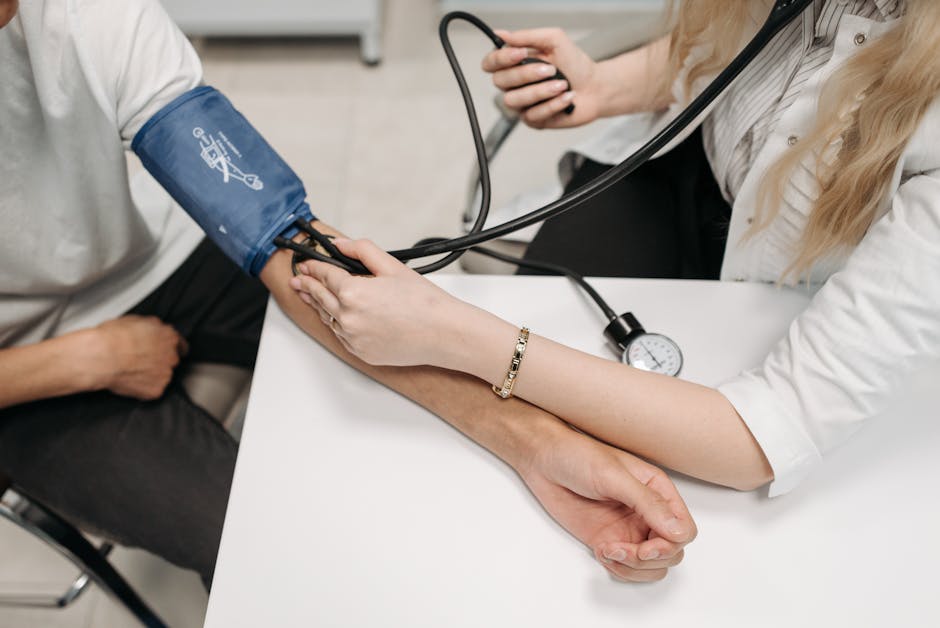
Facts to know: More women die from heart disease than all cancers combined. After menopause, risks increase due to higher blood pressure and cholesterol.
What to do: Regular check-ups, a heart-healthy diet, and exercise can make a big difference. Don’t ignore unusual symptoms; early detection is key.
Breast Cancer
Breast cancer is the most common cancer among women in the U.S., second only to skin cancer. Women have a 13% chance of developing it in their lifetime.

Screening matters: Mammograms starting at age 40 help catch cancer early. For those with a family history, like BRCA1 and BRCA2 gene carriers, earlier screening might be advised.
Prevention tips: Regular exercise and quitting smoking can reduce risk. Be aware of changes in your breasts and report them to your doctor.
Osteoporosis
Osteoporosis weakens bones, making them prone to fractures, especially after menopause. Women are more at risk due to lower bone density.

Risk factors: Early menopause, low body mass index (BMI), and certain medications can increase risk.
Bone health tips: Increase calcium intake, engage in weight-bearing exercises, and avoid smoking and excessive alcohol use.
Diabetes
Diabetes is a serious concern, especially because it increases heart disease risk fourfold in women. Gestational diabetes can also occur during pregnancy.

Complications: Women with diabetes face higher risks of blindness, kidney disease, and depression.
Management strategies: Maintain a healthy weight, exercise regularly, and monitor blood glucose levels. Pregnant women should seek special care to manage gestational diabetes.
Maternal Health
Maternal health issues cover a range of conditions from anemia to high blood pressure during pregnancy. Proper care is essential for both mother and baby.

Key points: Conditions like preeclampsia can increase stroke risk. Preconception care and regular prenatal visits are crucial.
Healthy pregnancy tips: Ensure adequate nutrition, stay active, and keep chronic conditions like diabetes under control with your doctor’s guidance.
Understanding these women’s health issues is vital for managing them. Heart disease, breast cancer, osteoporosis, diabetes, and maternal health all require attention and care. In the next section, we’ll dive into how to manage these health risks effectively.
Managing Women’s Health Risks
Taking charge of your health is crucial, especially with the unique challenges women face. Let’s explore some ways to manage women’s health issues through preventive measures, a healthy lifestyle, screenings, and personalized care.
Preventive Measures
Prevention is better than cure, right? Regular check-ups and screenings can catch problems early, making them easier to treat.
- Heart Disease: Regular blood pressure and cholesterol checks can help manage heart disease risks.
- Breast Cancer: Mammograms starting at age 40 are vital. If you have a family history, talk to your doctor about starting earlier.
- Cervical Cancer: Pap tests and HPV screenings are essential for early detection.
Healthy Lifestyle
A healthy lifestyle is your best defense against many health issues.
- Eat Well: A balanced diet rich in fruits, vegetables, and whole grains helps maintain a healthy weight and supports overall well-being.
- Stay Active: Regular exercise strengthens your heart, bones, and mood. Aim for at least 150 minutes of moderate activity each week.
- Avoid Smoking and Excessive Alcohol: These can increase the risk of many diseases, including cancer and heart disease.
Screenings
Screenings are a critical part of preventive health care. They help detect diseases early when they’re most treatable.
- Bone Density Tests: These are important for women at risk of osteoporosis, especially after menopause.
- Diabetes Screenings: Regular blood sugar tests can catch diabetes early and help manage it effectively.
- Prenatal Screenings: If you’re pregnant, regular check-ups ensure both you and your baby stay healthy.
Personalized Care
Every woman’s health journey is unique. Personalized care ensures you get the right advice and treatment for your needs.
- Consult Your Doctor: Discuss your family history and any symptoms you’re experiencing. This helps your doctor tailor your care plan.
- Manage Chronic Conditions: Conditions like diabetes or high blood pressure need ongoing management. Work with your healthcare provider to monitor and control these conditions.
- Stay Informed: Understanding your body and health conditions can empower you to make informed decisions.
By focusing on these areas, you can take proactive steps to manage women’s health issues. With preventive measures, a healthy lifestyle, regular screenings, and personalized care, you’re well-equipped to tackle these challenges.
In the next section, we’ll answer some frequently asked questions about women’s health to clear up any lingering doubts.
Frequently Asked Questions about Women’s Health Issues
What is a common female health concern?
Reproductive health is a major focus for many women. This includes everything from menstrual cycle management to pregnancy and menopause. Women often face unique reproductive challenges, such as polycystic ovary syndrome (PCOS) and endometriosis. These conditions can affect fertility and overall well-being.
Chronic issues like osteoporosis and autoimmune diseases are also more prevalent in women. For instance, osteoporosis affects women more due to hormonal changes after menopause. Regular check-ups and maintaining a healthy lifestyle can help manage these concerns.
What disease is most common in females?
Heart disease is the leading cause of death among women. It’s often thought of as a “man’s disease,” but it affects women too. Symptoms in women can be different from those in men, making it harder to diagnose.
Breast cancer is another common concern. It’s the second most common cancer in women, following skin cancer. Regular mammograms and being aware of any changes in your breasts can help with early detection and treatment.
Why is women’s health an issue?
Biological differences play a significant role in women’s health. Women have different hormonal systems and reproductive organs, which can influence their risk for certain diseases. These differences require specialized care and attention.
Gender-related differences also impact health. Historically, medical research focused more on men, leading to gaps in understanding women’s health needs. For instance, women are more likely to experience certain side effects from medications because clinical trials often underrepresent them.
Addressing these issues requires a focused approach to research and healthcare that considers both biological and gender-related differences.
By understanding these common concerns, diseases, and reasons why women’s health is an issue, we can better address these challenges. In the next section, we’ll explore how South Lake OB/GYN provides personalized care in a supportive environment.
Conclusion
At South Lake OB/GYN, we believe that women’s health issues deserve personalized care and attention. Every woman is unique, and so are her health needs. That’s why we are committed to providing a supportive environment where patients feel heard and understood.
Our approach is simple: we listen, we care, and we act. We foster open communication to ensure that our patients feel comfortable discussing their health concerns. Whether it’s routine check-ups, managing chronic conditions, or addressing specific gynecological concerns, our team is here to support you every step of the way.
We know that health can sometimes be complex, but our goal is to make it manageable. By offering customized care plans and emphasizing preventive measures like regular screenings and a healthy lifestyle, we help women take charge of their health.
At South Lake OB/GYN, you’re not just a patient—you’re part of our family. Let us be your partners in health. Together, we can work towards achieving the health goals that matter most to you.
Learn more about our women’s health services and schedule your consultation today.