


Gynecologist for teens: An essential part of adolescent healthcare is ensuring young women understand and maintain their reproductive health. This exciting yet sometimes overwhelming time involves significant physical and emotional changes. By addressing new developments such as puberty and menstruation, gynecologists provide vital support and education.
To directly answer the common question about when teens should see a gynecologist: It’s generally advised that young women have their first gynecological visit between the ages of 13 and 18. This visit is an opportunity to discuss menstruation, sexual health, and any concerns related to hormonal changes.
As a gynecologist dedicated to enhancing the healthcare experience for teens, I, Dr. Matthew Casavant, bring over two decades of expertise in this field. With a focus on compassionate care, I aim to empower young patients with the information and support they need.
Gynecologist for teens terms made easy:
– comprehensive women’s health
– women’s health issues
– clinic women’s health
When Should Teens First Visit a Gynecologist?
The American College of Obstetricians and Gynecologists (ACOG) recommends that teens have their first visit with a gynecologist between the ages of 13 and 15. This early visit provides a foundation for understanding reproductive and sexual health, even if there are no specific concerns at the time.
Why This Age Range?
During these years, many teens experience significant changes in their bodies. It’s a time when questions about menstruation, puberty, and sexual health naturally arise. A first visit to a gynecologist for teens can help answer these questions and alleviate any anxieties.
What Happens During the Initial Visit?
Contrary to what some may believe, the first visit typically does not involve a pelvic exam. Instead, it’s a chance for teens to build a trusting relationship with their healthcare provider. The focus is on:
- Open conversation: Teens can discuss their health, ask questions, and express concerns.
- Reproductive health guidance: Information about periods, puberty, and sexual health.
- Education: Learning about the changes happening in their bodies in a safe space.
Importance of Early Visits
Starting gynecological care early helps teens feel comfortable discussing sensitive topics. It also sets the stage for proactive management of their reproductive health. If any issues arise, like irregular periods or puberty concerns, they can be addressed promptly.
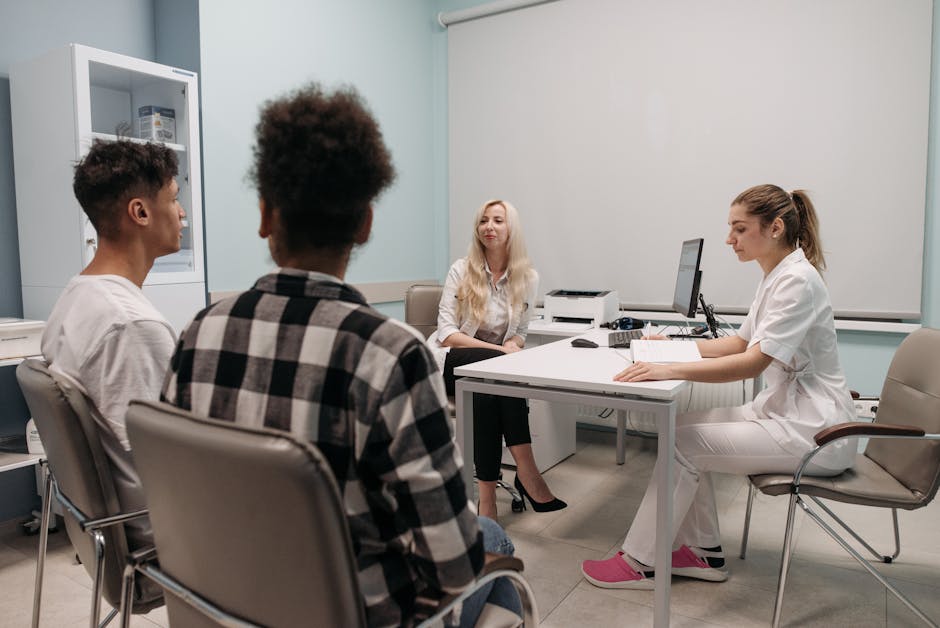
In conclusion, the initial visit to a gynecologist is more about education and reassurance than medical examination. It’s a step towards helping teens understand and take charge of their health, with the support of a knowledgeable healthcare partner.
For more information or to schedule an appointment, contact South Lake OB/GYN in Clermont, FL.
What to Expect During the First Visit
Your teen’s first visit to a gynecologist for teens doesn’t have to be intimidating. In fact, it’s an opportunity for them to start a lifelong habit of taking care of their reproductive health. Here’s what they can expect:
No Pelvic Exam
One of the biggest concerns for teens (and their parents) is whether they’ll need a pelvic exam. Rest assured, for the initial visit, a pelvic exam is almost never necessary. The focus is on conversation and education, not examination.
Conversation Focus
The primary goal of this visit is to establish a trusting relationship between your teen and their gynecologist. This means lots of talking and listening. Teens are encouraged to ask questions about anything they’re curious or concerned about—whether it’s about periods, puberty, or sexual health.
Open Dialogue: The gynecologist will ask about your teen’s health, lifestyle, and any specific concerns. It’s a safe space for honest discussions.
Confidentiality: Most of what is discussed can remain confidential, helping teens feel more comfortable sharing personal concerns.
Reproductive Health Guidance
This visit is an excellent opportunity for your teen to learn about their body and how to maintain good reproductive health. The gynecologist will provide information on:
Menstrual Health: Understanding what’s normal and what’s not when it comes to periods.
Puberty Changes: What to expect as their body changes.
Sexual Health and Safety: Basics about preventing sexually transmitted infections (STIs) and other health tips.
Body Positivity: Encouragement to feel good about their bodies and health.
By the end of this first visit, your teen should feel more informed and empowered about their health. They’ll know they have a reliable healthcare partner in their corner, ready to support them through any future challenges.
For more information or to schedule an appointment, contact South Lake OB/GYN in Clermont, FL.
Common Reasons for Teens to See a Gynecologist
Teens often visit a gynecologist for various reasons. These visits are important for addressing specific health concerns and ensuring overall well-being. Here are some common reasons:
Irregular Periods
Irregular periods can be a source of stress for teens. They might experience cycles that are too long, too short, or accompanied by severe pain. This could be due to hormonal imbalances or other underlying issues. A gynecologist can help diagnose the cause and suggest treatments to manage symptoms.
Puberty Concerns
Puberty brings many changes, and it’s normal for teens to have questions or concerns. Whether it’s about the timing of these changes or unusual symptoms, a gynecologist can provide reassurance and guidance. They can help teens understand what changes are normal and when it’s necessary to seek further evaluation.
Sexual Health
Discussing sexual health is crucial for teens, especially if they are sexually active or considering becoming sexually active. Gynecologists offer advice on safe practices, contraception options, and how to prevent sexually transmitted infections (STIs). They provide a confidential space for teens to ask questions and get accurate information.
Gender Identity
For teens exploring their gender identity, a gynecologist can be an important ally. They offer support in managing menstrual suppression or other gender-affirming care needs. They create a respectful environment where teens can discuss their identity and receive appropriate care.
These visits aim to empower teens with knowledge and resources to take charge of their reproductive health. By addressing these common concerns, gynecologists help teens steer this important stage of life with confidence.
Gynecologist for Teens: Specialized Care
Adolescent gynecology is a specialized field focused on the unique reproductive health needs of teenagers. It involves understanding and addressing the physical and emotional changes that occur during adolescence. This type of care is crucial for helping teens steer puberty and develop a healthy relationship with their bodies.
Pediatric gynecology extends this care to even younger individuals, ensuring that girls and teens receive the right support from an early age. Specialists in this field often work closely with pediatricians to address issues such as developmental disorders and rare gynecologic conditions. They provide a safe, comforting environment for young patients and their caregivers.
Hormonal Imbalances
Hormonal imbalances are a common issue during adolescence, leading to symptoms like irregular periods, severe acne, or mood swings. These imbalances can be caused by a variety of factors, including stress, diet, or underlying health conditions.
Gynecologists for teens are equipped to diagnose and manage these imbalances. They might suggest lifestyle changes, medication, or other treatments to help regulate hormones and alleviate symptoms. This personalized care is essential for maintaining both physical and emotional well-being during these formative years.

The Importance of Empathy and Education
Empathy is at the heart of adolescent and pediatric gynecology. Specialists are trained to communicate effectively with teens, making them feel heard and respected. This approach not only eases anxiety but also encourages open conversations about sensitive topics.
Education is another key component. Gynecologists provide teens with the information they need to understand their bodies and make informed health decisions. They discuss topics like menstruation, sexual health, and self-care, empowering teens to take control of their reproductive health.
By offering specialized care, gynecologists help teens and their families steer the often confusing journey through adolescence. This support is vital for fostering a positive experience with healthcare that can last a lifetime.
Frequently Asked Questions about Gynecologist Visits for Teens
Should a 15-year-old see a gynecologist?
Yes, according to the American College of Obstetricians and Gynecologists (ACOG), the recommended age for a teen’s first visit to a gynecologist for teens is between 13 and 15 years old. This initial visit is an opportunity to establish a relationship with the gynecologist, discuss any concerns, and receive guidance on reproductive health. It’s a proactive step in ensuring a teen’s health and well-being as they steer the changes of adolescence.
What conditions do adolescent gynecologists treat?
Adolescent gynecologists are trained to address a variety of conditions that can affect teens. Some of the most common issues include:
Menstrual abnormalities: Teens might experience irregular periods, heavy bleeding, or painful cramps. These issues can often be related to hormonal imbalances and can be managed with the right care.
STIs (Sexually Transmitted Infections): Up to 1 in 14 young women aged 14-19 may contract an STI. Routine screening and treatment are essential to maintain sexual health. Testing can usually be done without a pelvic exam.
Ovarian cysts: These can occur due to changing hormone levels during adolescence. While many cysts resolve on their own, some may cause pain and require medical attention.
Do teens need a pelvic exam during their first visit?
No, a pelvic exam is not usually necessary during a teen’s first gynecological visit. The focus of this initial appointment is on conversation and building trust. The gynecologist will discuss topics like menstrual health, puberty, and any concerns the teen might have. This approach helps create a comfortable environment where teens feel safe to ask questions and share their experiences.
By addressing these common questions, we hope to ease any concerns teens and their families might have about visiting a gynecologist. This knowledge empowers them to take charge of their reproductive health with confidence.
Conclusion
At South Lake OB/GYN, we understand that visiting a gynecologist for the first time can be a significant step for teens and their families. That’s why we are committed to offering personalized care in a supportive environment that feels like family. Our approach is centered on open communication, ensuring that each patient feels heard and respected.
We believe that establishing a strong, trusting relationship with a gynecologist early on is crucial for a teen’s long-term reproductive health. Our team is dedicated to providing guidance and support custom to the unique needs of adolescents. Whether it’s discussing menstrual health, addressing puberty concerns, or navigating issues related to gender identity, we are here to help.
Choosing South Lake OB/GYN means choosing a healthcare partner who is invested in your well-being. We invite you to learn more about our women’s health services and how we can support you on your health journey.
Find more about our personalized care at South Lake OB/GYN and schedule your consultation today. Together, let’s ensure that your teen receives the compassionate care they deserve.