


When selecting a giving birth doctor, there are crucial decisions to make regarding pregnancy care and birth planning. Who you choose can influence your entire childbirth experience. Here’s a quick takeaway on what to consider:
- Type of Care Provider: Decide between an obstetrician, family physician, or certified nurse-midwife, depending on your pregnancy needs.
- Birth Preferences: Consider what type of birthing experience you desire—be it a hospital birth, home birth, or something in between.
- Risk Management: Choose a healthcare professional who can handle any complications, ensuring both safety and support during your pregnancy.
Your healthcare journey to motherhood is unique, and selecting the right expert can make a significant difference. Developing a clear birthing plan while understanding your options is vital.
I’m Dr. Matthew Casavant, and with years of experience as a giving birth doctor, I’m dedicated to helping women achieve their ideal birthing experiences. My approach values open communication and comprehensive support, ensuring you feel confident and cared for throughout your pregnancy journey.
In the following sections, we’ll dig deeper into understanding your choices for a giving birth doctor.
Giving birth doctor terms to learn:
– best hospital for giving birth near me
– care after giving birth
– self care for pregnant moms
Understanding Your Options for a Giving Birth Doctor
Choosing the right giving birth doctor is a key decision during your pregnancy journey. Let’s break down the three main options: obstetricians, family physicians, and certified nurse-midwives.
Obstetricians
Obstetricians, or OBs, are medical doctors specializing in pregnancy and childbirth. They are highly trained to manage both routine and high-risk pregnancies. If you’re expecting twins, have a preexisting condition, or had a complicated pregnancy before, an obstetrician might be the best choice for you. They can also perform cesarean deliveries (C-sections) if needed.
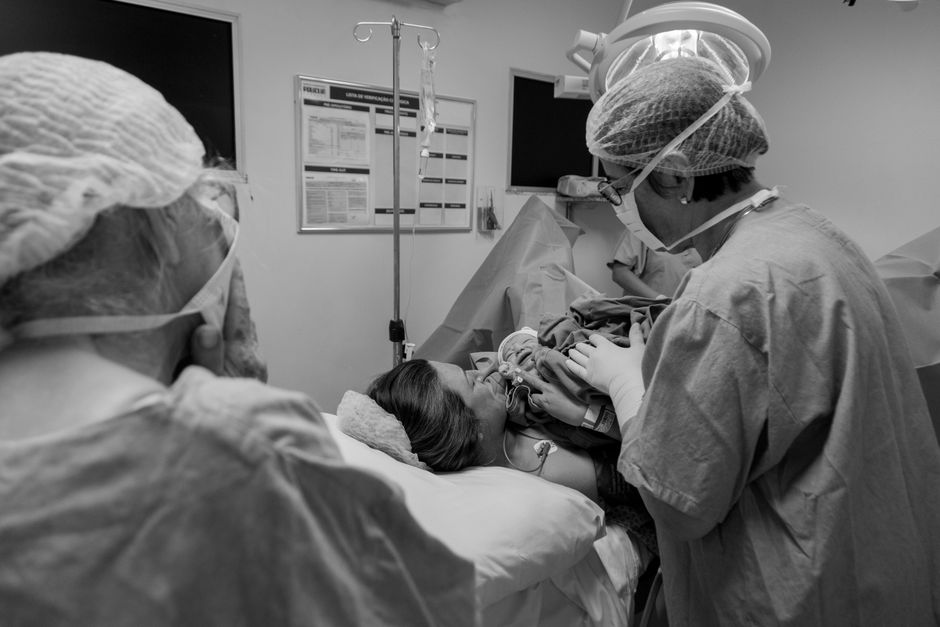
Why Choose an Obstetrician?
- High-Risk Expertise: OBs are equipped to handle complex medical situations.
- Surgical Skills: They can perform surgeries, like C-sections, ensuring safe delivery.
- Hospital-Based Care: Typically, OBs work in hospitals, offering access to comprehensive medical facilities.
Family Physicians
Family physicians provide a broad range of healthcare services, including pregnancy care. They can guide you through your pregnancy and may also care for your newborn. Some family physicians collaborate with OBs or midwives during delivery, especially in more complex cases.
Why Choose a Family Physician?
- Continuity of Care: They often provide care for your entire family, including your newborn.
- Holistic Approach: Family physicians focus on overall health, not just pregnancy.
- Community-Based: They are usually part of local health networks, facilitating easy access to various services.
Certified Nurse-Midwives
Certified nurse-midwives (CNMs) are registered nurses with advanced training in midwifery. They specialize in low-risk pregnancies and emphasize natural childbirth. Midwives often work in collaboration with obstetricians, ensuring a seamless transition if complications arise.

Why Choose a Certified Nurse-Midwife?
- Natural Birth Focus: Midwives support natural birthing processes and minimal interventions.
- Personalized Care: They provide emotional support and personalized birth plans.
- Flexibility: Midwives can assist in various settings, including home births and birthing centers.
Each type of giving birth doctor offers unique benefits and expertise. Your choice should align with your health needs, birth preferences, and the resources available in your area. By understanding these options, you can make an informed decision that supports a positive and empowering birth experience.
Choosing the Right Giving Birth Doctor for Your Needs
Selecting the right giving birth doctor is crucial for ensuring a safe and comfortable birth experience. Here’s what to consider when making your choice:
Risk Factors
Your health and pregnancy history play a big role in choosing the right doctor. If you have high-risk factors like diabetes, hypertension, or a history of complicated pregnancies, an obstetrician is often the best choice. They are trained to manage complex situations and can perform surgical procedures if necessary.
For low-risk pregnancies, a family physician or a certified nurse-midwife can be excellent options. They focus on more natural birth experiences and provide continuous care.
Considerations:
- High-Risk Pregnancy: Opt for an obstetrician.
- Low-Risk Pregnancy: Consider a family physician or midwife.
- Complications: Ensure your chosen doctor has access to emergency resources.
Birth Experience
Your desired birth experience should guide your choice. If you prefer a hospital birth with all medical interventions available, an obstetrician is ideal. They provide comprehensive care and are equipped to handle any unexpected issues.
If you lean towards a more natural birth, perhaps in a birthing center or even at home, a certified nurse-midwife might align better with your preferences. Midwives often focus on holistic approaches, such as water births and minimal interventions.
Considerations:
- Hospital Birth: Choose an obstetrician.
- Natural Birth: Consider a certified nurse-midwife.
- Family-Centered Care: A family physician might be suitable.
Local Resources
Your location can influence your choice of a giving birth doctor. In urban areas, you might have access to a wide range of specialists and facilities. However, in rural areas, family physicians often provide a majority of pregnancy and delivery care due to limited access to specialists.
Always check what resources are available locally. For instance, South Lake OB/GYN in Clermont, FL, offers a range of services and specialists to meet diverse needs.
Considerations:
- Urban Areas: Access to specialized care and facilities.
- Rural Areas: Family physicians often provide comprehensive care.
- Local Hospitals: Check the available services and specialists.
By considering your risk factors, desired birth experience, and local resources, you can choose a giving birth doctor who aligns with your needs and ensures a supportive and safe birthing journey.
The Role of an Obstetrician in Childbirth
When it comes to childbirth, an obstetrician plays a crucial role, especially in managing high-risk pregnancies, offering specialized maternal-fetal medicine, and performing cesarean deliveries.
High-Risk Pregnancies
High-risk pregnancies require special attention and care. Conditions like gestational diabetes, preeclampsia, or carrying multiples can complicate the pregnancy. Obstetricians are trained to handle these complexities. They closely monitor both the mother and baby, ensuring any potential issues are addressed promptly.
If your pregnancy is considered high-risk, an obstetrician is the best choice for your giving birth doctor. They have the expertise to manage complications and offer the safest delivery options.
Maternal-Fetal Medicine
Some obstetricians specialize further in maternal-fetal medicine (MFM). This subspecialty focuses on the health of both the mother and fetus before and during pregnancy. MFM specialists are experts in handling pregnancies with chronic health conditions or unusual complications.
If your pregnancy involves any unique challenges, an MFM specialist can provide the advanced care needed. They work closely with your primary obstetrician to ensure comprehensive care.
Cesarean Delivery
Sometimes, a cesarean delivery (C-section) is necessary for the safety of the mother or baby. Obstetricians are skilled in performing C-sections, which involve delivering the baby through a surgical incision in the mother’s abdomen and uterus.
Reasons for a C-section can include:
- Fetal Distress: If the baby shows signs of distress, a quick delivery may be needed.
- Breech Position: If the baby is not positioned head-down, a C-section might be safer.
- Previous C-Section: Some women who have had a C-section before might need another one.
Obstetricians ensure that both mother and baby are closely monitored before, during, and after the procedure to promote a smooth recovery.
Overall, obstetricians provide essential care and expertise for various childbirth scenarios, ensuring both mother and baby are safe and healthy. This is particularly true for those facing high-risk pregnancies or needing specialized medical interventions.
Midwives vs. Giving Birth Doctors: Key Differences
When deciding between a giving birth doctor and a midwife, it’s important to understand the key differences.
Low-Risk Pregnancies
Midwives excel in managing low-risk pregnancies. Their training focuses on supporting natural birth processes and providing personalized care. If your pregnancy is uncomplicated, a midwife might be the ideal choice. They can guide you through a natural, low-intervention birth experience.
Midwives often work in collaboration with obstetricians. If a complication arises, they can quickly coordinate care with an OB/GYN to ensure the safety of both mother and baby.
Holistic Approaches
Midwives are known for their holistic approach to childbirth. This means they consider your physical, emotional, and social needs. They focus on creating a supportive environment that aligns with your birth preferences.
Many midwives offer techniques like massage, breathing exercises, and position changes to help manage labor pain without medication. This approach is ideal for those looking for a more natural birth experience.
Water Births
Water births are a popular option for those choosing midwifery care. Midwives are experienced in facilitating water births, which can provide a calming and soothing environment during labor.
Birthing centers and some hospitals offer water birth options. These facilities are equipped to handle low-risk deliveries, making them a great choice if you want to explore this birth method.
In summary, midwives offer a personalized, natural approach to childbirth, ideal for low-risk pregnancies and those interested in holistic methods like water births. On the other hand, giving birth doctors, especially obstetricians, are better suited for high-risk pregnancies and situations requiring medical interventions. Understanding these differences can help you make the best choice for your pregnancy journey.
Frequently Asked Questions about Giving Birth Doctors
What do you call a doctor that gives birth?
The giving birth doctor is typically an obstetrician. Obstetricians are medical doctors who specialize in pregnancy, childbirth, and the postpartum period. They are trained to handle both routine and complex pregnancies, making them a key part of the birthing process.
What doctor to see for giving birth?
If you have a high-risk pregnancy, it’s crucial to see an obstetrician. High-risk pregnancies can include conditions like diabetes, high blood pressure, or expecting twins. Obstetricians have specialized training to manage these complexities, often working alongside maternal-fetal medicine specialists for the best outcomes.
For low-risk pregnancies, you might choose a certified nurse-midwife, who can provide a more natural childbirth experience. However, if you prefer a hospital setting with immediate access to a wide range of medical interventions, an obstetrician is the right choice.
What is the difference between a midwife and a gynecologist?
A midwife is not a doctor but is highly trained in supporting low-risk pregnancies and natural childbirth. They focus on a holistic approach, addressing both the physical and emotional needs of the mother. Midwives can manage labor and delivery, but they collaborate with obstetricians if complications arise.
A gynecologist, on the other hand, specializes in the female reproductive system but doesn’t typically deliver babies unless they are also trained as an obstetrician. Gynecologists handle issues like menstrual disorders, fertility problems, and menopause.
Midwives are ideal for low-risk pregnancies, while gynecologists focus on reproductive health issues. Obstetricians bridge the gap, providing care for both low and high-risk pregnancies and being prepared for any necessary medical interventions during childbirth.
Conclusion
Choosing the right giving birth doctor is one of the most important decisions you’ll make during your pregnancy journey. At South Lake OB/GYN, we are dedicated to providing personalized care that meets your unique needs. We understand that every pregnancy is different, and our goal is to ensure you feel supported and understood every step of the way.
Our team in Clermont, FL, is committed to fostering a family-like atmosphere where open communication and trust are at the forefront. Whether you are planning a natural birth or require a more medically involved delivery, our experienced obstetricians are here to guide you through your options, ensuring both you and your baby receive the best care possible.
We believe that personalized care empowers you to make informed decisions about your pregnancy and birth. By offering a supportive environment, we aim to make your birthing experience as comfortable and stress-free as possible, ensuring that you feel relaxed and safe.
To learn more about our obstetrics services and how we can support you during your pregnancy, visit our obstetrics page. Let us be part of your journey to a healthy and happy birth experience.