


Minimally invasive gynecology is changing women’s health by offering innovative solutions for gynecologic conditions. It provides a powerful alternative to traditional surgery with several advantages:
- Reduced Pain: Procedures are less invasive, leading to milder pain post-operation.
- Quicker Recovery: Shorter hospital stays mean you can return to your daily life faster.
- Smaller Incisions: Less scarring and reduced risk of infection.
- Outpatient Options: Many procedures can be completed without an overnight hospital stay.
I’m Dr. Matthew Casavant, a specialist in minimally invasive gynecology with over a decade of experience. I’ve been at the forefront of using advanced techniques to offer women effective solutions while prioritizing preventative care. Let’s dig deeper into how these cutting-edge techniques can benefit your health.
Must-know minimally invasive gynecology terms:
– advanced women’s health
– comprehensive women’s health
– holistic women’s health
Understanding Minimally Invasive Gynecology
Minimally invasive gynecology is like a game-changer for women’s health, offering a range of advanced techniques to treat various gynecologic conditions. Let’s break down the main methods used in these innovative procedures:
Laparoscopy
Laparoscopy is a technique that uses small incisions and a camera to look inside the abdomen. Think of it as a tiny telescope that helps doctors see and treat issues like ovarian cysts, fibroids, and endometriosis without large cuts.
- How it Works: A small camera (laparoscope) is inserted through a tiny incision, providing a clear view of the pelvic organs on a screen.
- Benefits: Shorter recovery time, less pain, and minimal scarring compared to traditional surgery.

Hysteroscopy
Hysteroscopy involves no incisions at all. Instead, a thin, lighted tube is used to look inside the uterus.
- How it Works: The hysteroscope is inserted through the vagina and cervix, allowing doctors to diagnose and treat problems like abnormal bleeding or fibroids.
- Benefits: Minimal discomfort and quick recovery, often performed as an outpatient procedure.
Robotic Surgery
Robotic surgery takes laparoscopy to the next level. Using the da Vinci® Surgical System, surgeons can perform complex procedures with improved precision.
- How it Works: Surgeons control robotic arms that hold the surgical instruments, providing a high degree of accuracy.
- Benefits: Greater precision, less blood loss, and quicker recovery. This approach is especially useful for intricate surgeries like those needed for endometriosis or pelvic organ prolapse.
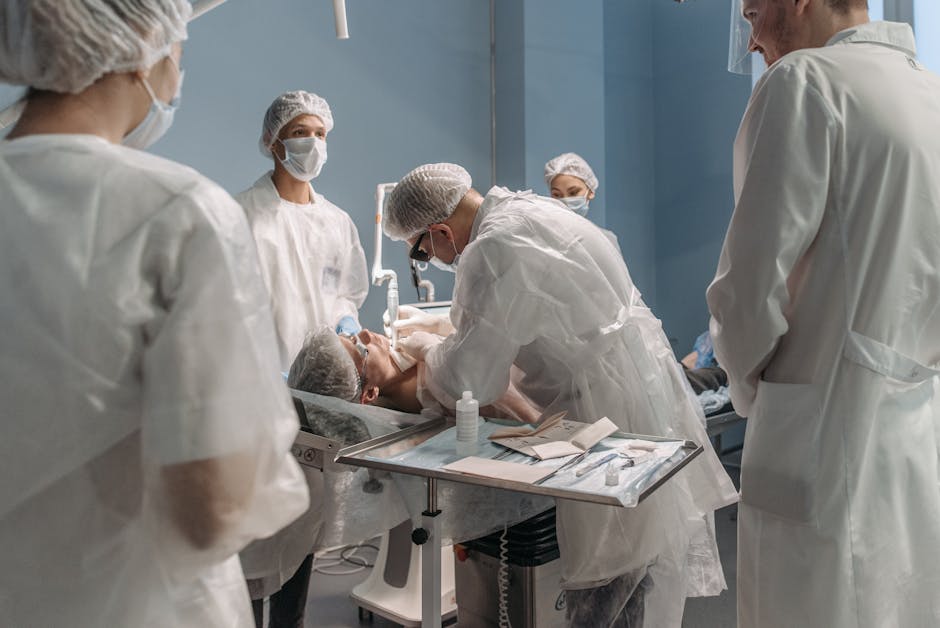
Vaginal Surgery
Vaginal surgery is the least invasive approach for major gynecologic procedures, avoiding abdominal incisions altogether.
- How it Works: Procedures are conducted through the vaginal canal, which can be ideal for surgeries like hysterectomies.
- Benefits: Faster healing, less pain, and no visible scars.
Each of these techniques offers unique advantages, allowing for personalized care custom to each woman’s needs. With minimally invasive gynecology, patients experience less pain, quicker recovery, and can return to their normal activities sooner.
Next, we’ll explore the benefits of these minimally invasive techniques and how they can make a real difference in women’s health.
Benefits of Minimally Invasive Gynecologic Surgery
Minimally invasive gynecologic surgery is changing women’s healthcare by offering procedures that focus on reducing pain and speeding up recovery. Here’s why these techniques are a big deal:
Less Pain
Traditional surgeries often come with significant pain due to large incisions. But with minimally invasive techniques, the discomfort is much less. Procedures like laparoscopy and robotic surgery use smaller cuts or no cuts at all. This means:
- Reduced Pain: Smaller incisions lead to less trauma to the body, resulting in less pain after surgery.
- Faster Pain Relief: Patients often find they need fewer pain medications, which helps them get back to feeling themselves sooner.
Shorter Recovery
Imagine having surgery and getting back to your daily life quickly. That’s the promise of minimally invasive gynecologic surgery. With these advanced techniques, recovery times are significantly reduced:
- Quick Return to Activities: Most women can resume normal activities within a few days to a couple of weeks, rather than months.
- Outpatient Procedures: Many surgeries are done on an outpatient basis, meaning you can go home the same day.
Smaller Incisions
Cosmetic concerns are important, and minimally invasive surgery addresses this with smaller incisions:
- Minimal Scarring: The tiny cuts heal faster and leave behind minimal scars, which is a huge plus for many women.
- Improved Appearance: A single small incision or no visible incision at all can make a significant difference in how women feel about their bodies post-surgery.
Outpatient Procedures
Gone are the days when surgery meant a long hospital stay. With minimally invasive techniques:
- Same-Day Discharge: Many procedures allow patients to leave the hospital the same day, reducing the stress and cost of a hospital stay.
- Convenience: Being able to recover at home is not only more comfortable but also more convenient for patients and their families.
These benefits make minimally invasive gynecologic surgery a preferred choice for many women, offering them a path to recovery that’s both swift and smooth. Next, we’ll dig into the common conditions treated with these innovative techniques and how they can improve women’s lives.
Common Conditions Treated with Minimally Invasive Techniques
Minimally invasive gynecology offers effective solutions for several common gynecologic conditions. Let’s explore how these advanced techniques help treat ovarian cysts, fibroids, endometriosis, and abnormal bleeding.
Ovarian Cysts
Ovarian cysts are fluid-filled sacs that can form on or inside the ovaries. While often harmless, some cysts can cause pain or complications. Minimally invasive surgery, like laparoscopic ovarian cystectomy, allows for the removal of cysts with small incisions. This approach reduces recovery time and minimizes discomfort.
Fibroids
Fibroids are non-cancerous growths in the uterus that can lead to heavy bleeding and pain. Treatments like hysteroscopy and laparoscopic myomectomy are effective minimally invasive options. These procedures focus on removing fibroids while preserving the uterus, which is crucial for women who wish to maintain fertility.
Endometriosis
Endometriosis occurs when tissue similar to the lining inside the uterus grows outside it, causing pain and fertility issues. Laparoscopic excision of endometriosis is a minimally invasive technique that precisely removes this tissue, offering relief from symptoms and improving quality of life.
Abnormal Bleeding
Abnormal uterine bleeding can be disruptive and concerning. Minimally invasive procedures like hysteroscopy allow doctors to diagnose and treat causes of the bleeding, such as polyps or small fibroids, without large incisions. This results in quicker recovery and less disruption to daily life.
These conditions, once daunting, can now be managed effectively with minimally invasive gynecologic surgery. The focus on smaller incisions and quicker recovery makes these techniques a go-to option for many women seeking relief. Up next, we’ll dive into the advanced techniques that are shaping the future of women’s health.
Advanced Techniques in Minimally Invasive Gynecology
Minimally invasive gynecology has come a long way, offering cutting-edge techniques that make gynecologic surgery safer and more effective. Here, we’ll explore three advanced methods: laparoscopic radiofrequency ablation, robotic precision, and single-incision surgery.
Laparoscopic Radiofrequency Ablation
Laparoscopic radiofrequency ablation is a game-changer for women dealing with fibroids. This technique targets fibroids using heat to shrink them, without the need for large incisions. Unlike traditional hysterectomies, this method preserves the uterus, allowing women to return to their regular activities within a week. It’s a less invasive alternative that reduces hospital stay and speeds up recovery.
Robotic Precision
Robotic surgery takes minimally invasive techniques to the next level. Surgeons use robotic arms for greater precision and control during procedures like hysterectomy or myomectomy. This approach minimizes trauma to surrounding tissues and improves accuracy. Patients benefit from smaller incisions, less pain, and faster recovery. Surgeons can also perform complex surgeries with more dexterity, making robotic precision a preferred option for challenging cases.
Single-Incision Surgery
Single-incision surgery is all about improving cosmesis, or the appearance of the surgical site. This technique involves making just one small incision, usually in the navel, to perform procedures like removing fibroids or treating endometriosis. Although research suggests that pain reduction is similar to traditional laparoscopy, the cosmetic benefits are significant. Patients often appreciate the minimal scarring and quicker recovery associated with this technique.
These advanced techniques in minimally invasive gynecology are changing women’s health care. They offer effective solutions with less pain and faster recovery, making them an appealing choice for many women. Next, we’ll address some frequently asked questions about these procedures and what you can expect in terms of recovery and insurance coverage.
Frequently Asked Questions about Minimally Invasive Gynecology
What is the recovery time for minimally invasive gynecologic surgery?
Minimally invasive gynecologic surgery is designed to get you back on your feet faster. Unlike traditional surgeries, these procedures often mean shorter hospital stays and quicker recovery times. For instance, many patients can resume normal activities in about a week after procedures like laparoscopic radiofrequency ablation. The smaller incisions used in these surgeries generally lead to less pain and quicker healing.
Does insurance cover minimally invasive surgery?
Insurance coverage for minimally invasive gynecologic surgery typically depends on your specific plan. Most insurance policies do cover these procedures, but it’s important to check the details. Be aware of deductibles and copays, as these can affect your out-of-pocket costs. It’s a good idea to contact your insurance provider directly to understand what is covered and any potential costs you may incur.
Can I opt for a minimally invasive procedure instead of hysterectomy?
Yes, in many cases, you can choose a minimally invasive procedure as an alternative to a hysterectomy. Techniques like laparoscopic radiofrequency ablation offer individualized care that preserves the uterus while effectively treating conditions like fibroids. Always discuss with your doctor to find the best treatment for your specific condition. They can help you explore alternative treatments that align with your health needs and lifestyle.
These frequently asked questions highlight the practical benefits and options available with minimally invasive gynecologic surgery. Understanding your choices and discussing them with your healthcare provider can lead to personalized and effective care. In the next section, we’ll dig into how South Lake OB/GYN provides a supportive and personalized environment for your care journey.
Conclusion
At South Lake OB/GYN, we believe that personalized care is at the heart of effective healthcare. We understand that every woman’s health journey is unique, which is why we offer customized treatment plans that fit seamlessly into your lifestyle. Our commitment to individualized care ensures that you receive the best possible support and treatment throughout your life, from adolescence to menopause.
Our team is dedicated to creating a supportive environment where you feel heard and respected. We prioritize open communication and foster a family-like atmosphere, ensuring that you feel comfortable discussing your health concerns. This approach not only empowers you to make informed decisions about your health but also promotes better health outcomes.
By integrating gynecology, primary care, and wellness, we provide comprehensive care that addresses your specific health needs. Our focus on minimally invasive gynecology means you benefit from advanced surgical techniques that offer less pain, shorter recovery times, and smaller incisions.
If you’re ready to take the next step in your health journey, we invite you to explore our women’s health services. Together, we can achieve the health goals that matter most to you. Learn more about our services and schedule your consultation today.
At South Lake OB/GYN, your health is our priority, and we’re here to support you every step of the way.