


Placenta previa treatment is a crucial aspect of managing a pregnancy complication that can arise when the placenta settles too close or covers the cervix. This condition often leads to painless vaginal bleeding in the later stages of pregnancy.
- Primary Symptoms: Bright red, painless bleeding usually in the third trimester.
- Diagnosis: Requires careful monitoring through ultrasounds.
- Management: May involve bed rest, early delivery via cesarean section, and blood transfusions if needed.
Understanding how to approach placenta previa treatment is essential for ensuring the safety of both mother and baby as the pregnancy progresses.
I’m Dr. Matthew Casavant, an experienced OBGYN specializing in advanced surgical techniques, including the complexities of placenta previa treatment. With a commitment to holistic and preventative care, my goal is to provide compassionate support and guidance to expectant mothers at South Lake OB/GYN.
Glossary for Placenta previa treatment:
– Annual gynecological exam
– Maternal health clinic
– midwife vs obgyn
Understanding Placenta Previa
Placenta previa is a condition where the placenta attaches to the lower part of the uterus, covering the cervix either partially or completely. This can make vaginal delivery risky.
Placenta Location and Cervix Coverage
Normally, the placenta attaches to the upper or middle part of the uterus. But in placenta previa, it settles lower, potentially blocking the cervix. This is crucial because the cervix is the passageway for the baby during vaginal birth. When the placenta covers this opening, it can lead to serious complications during delivery, such as heavy bleeding.
There are two main types of placenta previa:
- Marginal Placenta Previa: The placenta is near the cervix but not covering it.
- Complete Placenta Previa: The placenta completely covers the cervix.
Ultrasound Diagnosis
Ultrasound is the primary tool for diagnosing placenta previa. Most cases are identified during a routine second-trimester ultrasound. If there’s suspicion of placenta previa, a transvaginal ultrasound may be used for a more detailed view. This involves a small device being placed in the vagina to get clearer images, but care is taken to avoid disturbing the placenta.
Ultrasound monitoring is crucial because, in many cases, the placenta may move away from the cervix as the uterus expands. This is known as placental migration. Regular ultrasounds help track this movement and determine the safest delivery method.
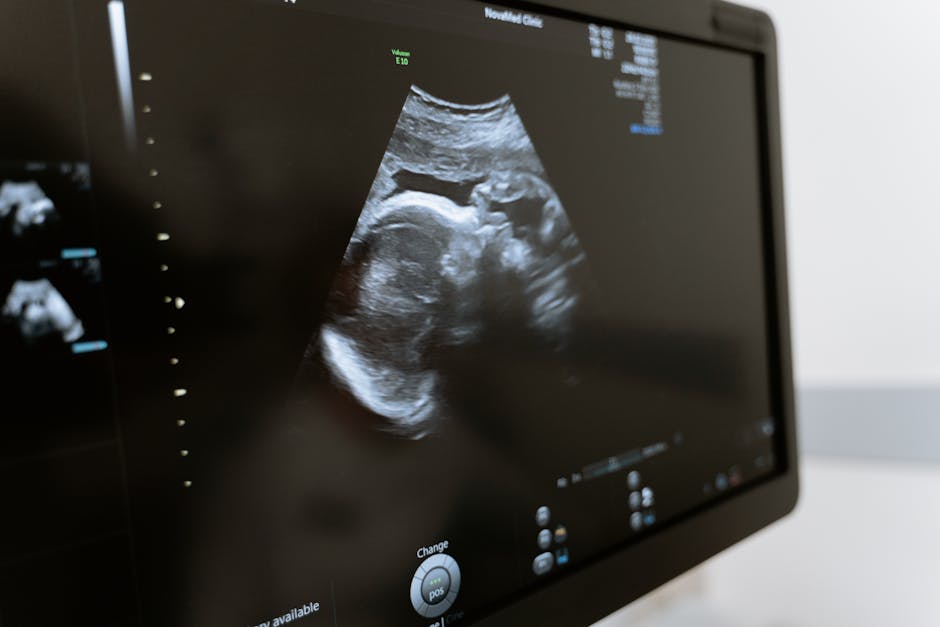
Understanding these aspects of placenta previa can help expectant mothers be better prepared for the discussions and decisions that come with this diagnosis.
Placenta Previa Treatment
When it comes to placenta previa treatment, the primary goal is to ensure the safety of both mother and baby. This often involves planning for a C-section delivery if the placenta still covers or is very close to the cervix as the due date approaches.
Managing Bleeding and Risks
One of the most critical aspects of managing placenta previa is addressing the risk of vaginal bleeding and postpartum hemorrhage. Bleeding can occur suddenly and may require immediate medical attention. If you experience any bleeding, it’s important to seek emergency care right away.
Emergency Care: If bleeding is heavy, you may need to be admitted to the hospital for close monitoring. In some cases, a blood transfusion might be necessary if there’s significant blood loss.
Risk Management: Doctors often advise reducing physical activity to lower the risk of bleeding. This might include avoiding exercise and sexual intercourse.
When Placenta Previa Resolves
There’s a possibility that placenta previa can resolve on its own. This happens through a process called placental migration. As the uterus grows, the placenta may move away from the cervix, allowing for a safer vaginal delivery.
Second Trimester: During this time, regular ultrasound monitoring is essential to track any changes in the position of the placenta. Many women with placenta previa in the early stages of pregnancy find that the condition resolves itself by the third trimester.
Ultrasound Monitoring: Regular check-ups will help your healthcare provider determine whether the placenta has moved enough to allow for a vaginal birth or if a C-section is necessary.
Understanding these treatment and management strategies is crucial for navigating placenta previa safely. This knowledge empowers expectant mothers to make informed decisions alongside their healthcare providers.

Lifestyle and Self-Care with Placenta Previa
When dealing with placenta previa, lifestyle changes can play a big role in managing the condition. Here’s what you need to know:
Activity Restrictions
Physical activity needs to be carefully managed to minimize the risk of bleeding. Doctors often recommend avoiding strenuous activities like heavy lifting, squatting, or jumping. It’s crucial to have a discussion with your healthcare provider to tailor activity restrictions based on your specific situation.
- Exercise Limitations: Gentle activities, such as walking, might be allowed, but always check with your doctor first. They may have specific recommendations or restrictions based on the progression of your pregnancy.
Sexual Intercourse Avoidance
Sexual activity can increase the risk of bleeding when you have placenta previa. Most healthcare providers advise against having sexual intercourse during this time.
- Avoid Insertion: Avoid inserting anything into the vagina, such as tampons or douches, as these can also trigger bleeding.
Personalized Care
Every pregnancy is unique, and personalized care is essential. Your healthcare team will work with you to develop a care plan that suits your needs. This might include more frequent check-ups or additional ultrasounds to monitor the placenta’s position.
Open Communication: Keep an open line of communication with your healthcare provider. Don’t hesitate to report any discomfort or changes in your symptoms.
Support System: Building a support network can be beneficial. Having family or friends help with daily tasks allows you to focus on resting and reducing stress.
These lifestyle adjustments and personalized care strategies can help manage placenta previa effectively, ensuring the best possible outcome for you and your baby.
Frequently Asked Questions about Placenta Previa Treatment
What should I avoid if I have placenta previa?
If you have placenta previa, certain activities can increase the risk of bleeding and should be avoided. Here are the key things to keep in mind:
Activity Restrictions: Avoid strenuous activities such as heavy lifting, squatting, and jumping. Even activities that seem mild might be off-limits, so follow your doctor’s advice.
Exercise Limitations: While gentle activities like walking might be allowed, it’s crucial to consult your healthcare provider. They will guide you on safe exercises based on your pregnancy stage.
Sexual Intercourse: Sexual activity is generally discouraged as it can trigger bleeding. It’s best to avoid inserting anything into the vagina, including tampons or douches.
Can placenta previa resolve itself?
Yes, in many cases, placenta previa can resolve on its own. This usually happens through a process known as placental migration:
Placental Migration: As the uterus grows, the placenta may move away from the cervix. This natural process can occur during the second trimester, reducing the risk associated with placenta previa.
Ultrasound Monitoring: Regular ultrasounds are crucial to monitor the position of the placenta. Your doctor will schedule these to ensure the placenta is moving to a safer location.
What is the best treatment for placenta previa?
When it comes to placenta previa treatment, the approach depends on the gestational age and the placenta’s position:
C-Section Delivery: If the placenta continues to cover the cervix closer to delivery, a Cesarean section is often the recommended route. This method ensures the safety of both the mother and baby by avoiding the risks associated with vaginal delivery.
Gestational Age Considerations: The timing of the delivery is crucial. Doctors will consider the baby’s development and the mother’s health when deciding when to perform a C-section.
By understanding these aspects of placenta previa treatment, you can better steer your care and make informed decisions with your healthcare provider.
Conclusion
At South Lake OB/GYN, we understand that dealing with placenta previa can be challenging. Our commitment to personalized care ensures that each patient receives a treatment plan custom to their unique needs. We believe that open communication and a supportive environment are key to helping you steer this condition with confidence and peace of mind.
Our team in Clermont, FL, consists of dedicated professionals who are here to support you every step of the way. From the moment you walk through our doors, you’ll experience the warmth and understanding of a family-like atmosphere. We make it a priority to listen to your concerns, answer your questions, and provide the compassionate care you deserve.
Choosing South Lake OB/GYN means choosing a partner in your health journey. We are committed to providing the highest standard of care, using the latest technology and techniques to ensure the best possible outcomes for you and your baby. Whether it’s through regular ultrasound monitoring, managing risks, or planning the safest delivery method, we are here to support you.
For more information about our services and how we can assist you with your obstetrics and gynecology needs, visit our OB/GYN services page. Let us be part of your journey to wellness and ensure you receive the personalized care you deserve.