


Abdominal hysterectomy is a common surgical procedure where doctors remove the uterus through an incision in the lower abdomen. This method suits women with a larger uterus or those needing additional pelvic exploration. Recovery from an abdominal hysterectomy typically takes longer compared to less invasive methods.
To break it down, here’s a quick look at the main types of hysterectomy:
- Total Hysterectomy: Removes both the uterus and cervix.
- Subtotal Hysterectomy: Removes the uterus but leaves the cervix intact.
- Radical Hysterectomy: For cancer treatment, removes the uterus, cervix, part of the vagina, and surrounding tissues.
- Total Hysterectomy with Bilateral Salpingo-Oophorectomy: Removes uterus, cervix, ovaries, and fallopian tubes.
Each type addresses specific medical needs, and the choice of procedure depends on the patient’s condition and preferences.
I’m Dr. Matthew Casavant, a dedicated physician with a deep understanding of abdominal hysterectomy. With years of experience performing these surgeries, I prioritize open communication and patient-centric care at South Lake OB/GYN. Let’s explore how each type fits into personalized healthcare strategies.
Abdominal hysterectomy word guide:
– types of hysterectomy
– hysterectomy surgery
– hysterectomy side effects
Understanding Abdominal Hysterectomy
An abdominal hysterectomy is a surgical procedure where the uterus is removed through an incision in the lower abdomen. This method is often chosen when a larger uterus is involved or when doctors need to check other pelvic organs for disease. Let’s explore the different types of hysterectomy and why this approach might be necessary.
Types of Hysterectomy
Here’s a closer look at the different types of hysterectomy procedures:
Partial Hysterectomy: Also known as a subtotal hysterectomy, this procedure removes the upper part of the uterus but leaves the cervix in place. This option might be chosen to reduce surgical risks and preserve some hormonal functions.
Total Hysterectomy: This is the complete removal of both the uterus and cervix. It’s a common choice for issues like fibroids or abnormal bleeding.
Radical Hysterectomy: This is a more extensive surgery usually performed for cancer treatment. It involves removing the uterus, cervix, the upper part of the vagina, and surrounding tissues.
Each type has its own benefits and considerations, depending on the individual’s medical needs and circumstances.
Why Choose Abdominal Hysterectomy?
There are specific reasons why an abdominal hysterectomy might be the best choice:
Large Uterus: When the uterus is large, an abdominal approach provides better access for surgeons to effectively remove it.
Pelvic Organ Check: This method allows surgeons to examine other pelvic organs for signs of disease, which might not be possible with less invasive techniques.
Open Procedure Necessity: Sometimes, a surgeon may determine that an open procedure is the safest option based on the patient’s unique health situation.
In some cases, the choice of an abdominal hysterectomy is not just about removing the uterus but ensuring comprehensive care by addressing any underlying pelvic issues. This approach, while more invasive, ensures that the patient receives thorough treatment and examination.
Preparing for Abdominal Hysterectomy
Getting ready for an abdominal hysterectomy involves several important steps. These steps help ensure a smooth surgery and recovery.
Pre-Surgery Health Tips
Stop Smoking: If you’re a smoker, now’s the time to quit. Smoking can cause breathing problems during surgery and slow down your recovery. Even stopping just a few days before your surgery can make a big difference.
Healthy Diet: Eating well is key. Focus on a balanced diet rich in fruits, vegetables, lean proteins, and whole grains. Good nutrition helps your body heal faster and fight infections.
Exercise: Stay active with regular exercise. Gentle activities like walking can improve your overall health and help you recover more quickly after surgery. However, avoid any strenuous activity as your surgery date approaches.
What to Expect Before Surgery
Tests: Before your surgery, you’ll likely have several tests. This may include blood tests and a general health check to ensure you’re fit for the procedure. These tests help your healthcare team plan your care.
Anesthesia Discussion: You’ll talk with an anesthesiologist about the type of anesthesia you’ll receive. Most abdominal hysterectomies use general anesthesia, which means you’ll be asleep and won’t feel any pain during the surgery.
Hospital Gown: On the day of the surgery, you’ll change into a hospital gown. This allows the surgical team easy access and ensures sterility during the procedure.
Hospital Stay: Expect to stay in the hospital for a few days after your surgery. This allows your healthcare team to monitor your recovery and manage any pain or complications. Most people stay about three days, but this can vary.
Taking these steps seriously can lead to a smoother surgery and recovery. With the right preparation, you can face your abdominal hysterectomy with confidence and peace of mind.
The Abdominal Hysterectomy Procedure
When undergoing an abdominal hysterectomy, it’s helpful to know what happens during and after the surgery. This section breaks down the surgical steps and what you can expect in post-surgery care.
Surgical Steps
Incision Types
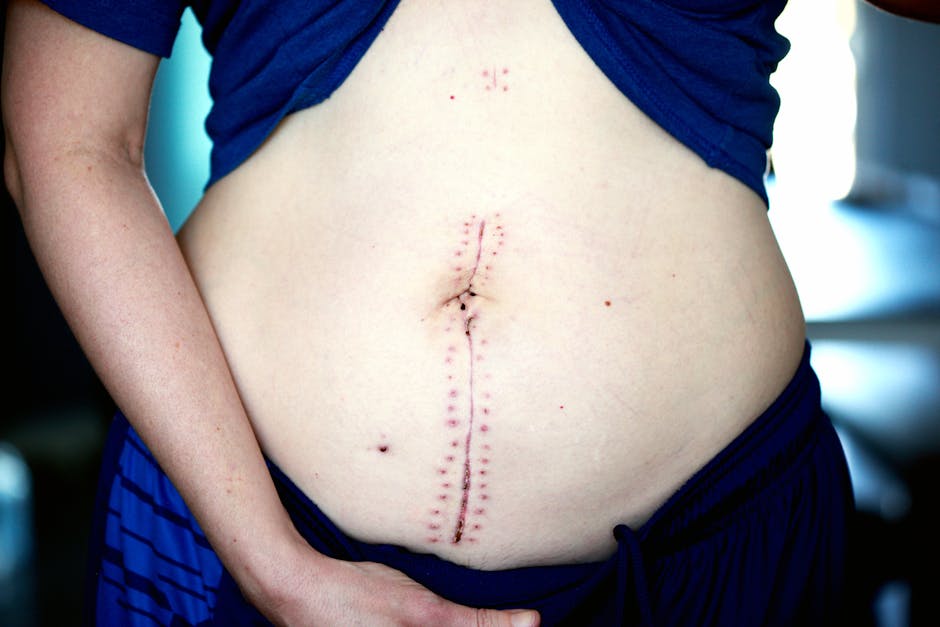
The procedure begins with an incision in the lower abdomen. There are two main types of incisions:
- Vertical Incision: This runs from your belly button to just above your pubic bone. It provides the surgeon with more access to the pelvic area.
- Horizontal Incision: Also known as a “bikini cut,” this follows the natural lines of your skin, which usually results in a thinner scar.
Uterus Removal
Once the incision is made, the surgeon carefully detaches the uterus from its surrounding tissues. This involves cutting and sealing blood vessels to prevent bleeding. The uterus is then removed through the incision. If necessary, the surgeon may also remove the ovaries and fallopian tubes.
Catheter Use
During the surgery, a catheter is often placed in your bladder. This helps manage urine output and keeps track of kidney function. The catheter is usually removed a day or two after surgery.
Anesthesia
You’ll receive general anesthesia for this procedure, ensuring you are asleep and pain-free. An anesthesiologist will monitor you throughout the surgery to ensure your safety.
Post-Surgery Care
Pain Management
After surgery, managing pain is a top priority. You’ll receive pain medication through an IV, epidural, or oral tablets. It’s crucial to communicate with your healthcare team if the pain is not well-controlled.
Hospital Recovery
Most patients stay in the hospital for 3 to 5 days. During this time, nurses will assist you in getting out of bed and walking around as soon as possible. Walking helps prevent blood clots and speeds up recovery.
Incision Healing
Your incision will be closed with staples, stitches, surgical glue, or tape. It’s important to keep the area clean and dry to prevent infection. Your healthcare team will provide instructions on how to care for your incision at home.
Activity Restrictions
While in the hospital and during your initial recovery at home, you’ll need to avoid lifting heavy objects and strenuous activities. Focus on gentle movements and gradually increase your activity level as you heal.
Understanding these steps can help you feel more prepared and confident about your abdominal hysterectomy. Following your healthcare team’s advice will support a smoother recovery.
Next, we will explore what life after an abdominal hysterectomy looks like, focusing on recovery time and lifestyle changes.
Recovery and Life After Abdominal Hysterectomy
Managing Recovery
Recovering from an abdominal hysterectomy takes time and care. Most people need about 6 to 8 weeks to heal fully. During this period, it’s crucial to listen to your body and follow your doctor’s advice.
Rest and Activity Restrictions
After surgery, your body needs plenty of rest to heal. It’s important to avoid heavy lifting and strenuous activities for at least six weeks. Stick to light activities like short walks to boost circulation and prevent blood clots. Walking can also help with bowel movements, which might be a bit sluggish after surgery.
Here’s a quick checklist for the first few weeks:
- Avoid lifting anything heavier than 10 pounds.
- Take short walks daily to promote healing.
- Get plenty of rest and avoid pushing yourself too hard.
- Listen to your body and stop any activity that causes pain.
Emotional Well-Being
It’s normal to experience a roller coaster of emotions during recovery. You might feel relief, sadness, or even anxiety. It’s okay to ask for emotional support. Talk to friends, family, or a counselor if you’re feeling overwhelmed.
Long-Term Effects
After an abdominal hysterectomy, you will notice some long-term changes. Understanding these can help you adjust to life after surgery.
Menopause and Hormonal Changes
If your ovaries are removed, you’ll enter menopause immediately. This can lead to symptoms like hot flashes, mood swings, and night sweats. Hormone replacement therapy (HRT) may be an option to manage these symptoms, so discuss this with your doctor.
Sexual Health
Some women worry about changes in sexual function after a hysterectomy. While it’s normal to feel different, many women report a return to normal sexual activity after recovery. It’s important to communicate with your partner and healthcare provider about any concerns.
Quality of Life
Most women find their quality of life improves after an abdominal hysterectomy, especially if they suffered from severe symptoms like heavy bleeding or chronic pain. A study by Reuters Health found that psychological well-being often improves after surgery, whether you have a partial or total hysterectomy.
Lifestyle Changes
Adopting a healthy lifestyle can make a big difference in your recovery and overall well-being. Focus on:
- Balanced Diet: Eat plenty of fruits, vegetables, and whole grains.
- Regular Exercise: Once cleared by your doctor, gradually return to exercising to maintain a healthy weight and reduce stress.
- Avoid Smoking: If you smoke, seek help to quit. Smoking can slow down healing and increase the risk of complications.
Understanding these aspects of recovery can help you feel more prepared and optimistic about life after an abdominal hysterectomy. Up next, we’ll answer some of the most frequently asked questions about this procedure.
Frequently Asked Questions about Abdominal Hysterectomy
Is an abdominal hysterectomy major surgery?
Yes, an abdominal hysterectomy is considered a major surgery. It involves removing the uterus through an incision in the lower abdomen. Because it’s a significant procedure, recovery can take about 6 to 8 weeks. During this time, it’s crucial to follow your doctor’s guidelines and give your body the rest it needs to heal properly.
How does a woman’s body change after a hysterectomy?
After a hysterectomy, your body undergoes several changes. If your ovaries are removed, you’ll enter menopause immediately. This can bring about hormonal changes, leading to symptoms like hot flashes, mood swings, and night sweats. Even if your ovaries are left intact, some women experience menopause earlier than expected.
Physically, you may notice changes in your abdomen. Some women report a feeling of emptiness due to the removal of the uterus. You might also experience some numbness or tingling around the incision site, which usually improves over time.
What to expect after an abdominal hysterectomy?
After the surgery, you can expect some pain and discomfort, especially around the incision site. Pain management is a key part of recovery, and your doctor will prescribe medications to help ease this. It’s important to take these as directed to keep the pain under control.
Energy levels can be low initially, so don’t be surprised if you feel tired or fatigued. Rest is vital, but light activities like short walks can help boost your energy and improve circulation. Over time, as you heal, your energy levels should gradually return to normal.
It’s also normal to have some vaginal bleeding or discharge for a few weeks after surgery. Use sanitary pads instead of tampons to reduce the risk of infection.
Understanding these aspects can help you prepare for the changes and challenges you might face after an abdominal hysterectomy. Next, we’ll wrap up with some final thoughts on how South Lake OB/GYN can support you through this journey.
Conclusion
At South Lake OB/GYN, we understand that undergoing an abdominal hysterectomy can be a life-changing experience. Our commitment to personalized care ensures that you receive the attention and support you need every step of the way. From the first consultation to post-surgery recovery, our team is dedicated to making your journey as smooth and comfortable as possible.
We pride ourselves on fostering a supportive environment that feels like family. We know that open communication is key to a positive healthcare experience. That’s why we take the time to listen to your concerns, answer your questions, and provide clear, straightforward information about your treatment options.
Our expert team in Clermont, FL, is well-versed in both traditional and minimally invasive methods of hysterectomy. We tailor our approach to meet your specific needs, ensuring the best possible outcomes. We are committed to guiding you through the recovery process with personalized advice and follow-up care.
Choosing the right healthcare provider is as important as the treatment itself. At South Lake OB/GYN, your health and peace of mind are our top priorities. We are here to support you, not just as a patient, but as a valued member of our community.
For more information and to explore your options, visit our hysterectomy vs hysteroscopy service page. Let us help you regain your health and well-being with confidence and care.