


Why Preconception Care NHS Should Be Your First Step Towards Parenthood
Although the NHS (National Health Service) is based in the UK, these guidelines are recognized worldwide and remain highly relevant as of 2025. Preconception care nhs focuses on preparing your body and mind for a healthy pregnancy, and at South Lake OB/GYN in Clermont, FL, we incorporate similar evidence-based practices. It involves simple, practical steps you can start right now:
- Take folic acid: 400 micrograms daily before conception reduces birth defects.
- Maintain healthy weight: Lowers risks like diabetes and high blood pressure during pregnancy.
- Stop smoking and drinking alcohol: Protects your baby from severe health risks.
- Update vaccinations: Ensure immunity, especially against rubella and chickenpox.
- Manage medical conditions: Discuss medications and health history with your GP or healthcare provider.
I’m Matthew Casavant, a physician who founded South Lake OB/GYN, and I’ve guided countless families through these preconception care principles over my 20+ years of practice. I’m here to help you take your first confident step towards parenthood. Let’s dive in together.
Basic preconception care nhs glossary:
– acog preconception counseling
– pregnancy care packages
– pregnancy care services
What is Preconception Care NHS and Why It Matters
Preconception care NHS refers to the healthcare and guidance provided by the UK’s National Health Service (NHS) before you get pregnant. Think of it like the prepping stage before baking your perfect cake—the better prepared you are, the better the end result will be!
Professor Viv Bennett, a prominent NHS health expert, sums it up beautifully: “Preconception health is about promoting a woman’s health before she becomes pregnant to improve both her prospects of having a baby and her future child’s health.”
The NHS emphasizes the importance of both partners’ health before pregnancy. Research confirms that healthy parents who receive preconception care can significantly reduce pregnancy complications and are more likely to have healthier babies.

At South Lake OB/GYN, we’ve acceptd these same science-backed principles. Over the years, we’ve seen that putting in the effort upfront—before pregnancy—makes a profound difference in pregnancy outcomes.
The idea behind preconception care NHS is simple yet impactful: the healthier you are before conceiving, the higher your chances of getting pregnant smoothly, enjoying a complication-free pregnancy, and welcoming a thriving baby into your life.
The Benefits of Preconception Care NHS Services
Engaging with preconception care NHS isn’t just about increasing your odds of conception. It’s about ensuring both mom and baby have the best possible start.
For instance, regularly taking folic acid before conception can reduce the risk of neural tube defects (like spina bifida) by as much as 70%. Likewise, carefully managing pre-existing conditions—such as diabetes, high blood pressure, or epilepsy—can greatly decrease the risk of pregnancy complications.
Additionally, preconception care helps uncover potential genetic risks. Through genetic screenings, you and your partner can identify if you carry genes linked to inherited disorders, allowing informed planning for your family’s future.
Lifestyle changes recommended by NHS guidelines—like reaching a healthy weight, quitting smoking, or cutting back alcohol—can also significantly boost fertility for both partners. Plus, preparing your body and mind can dramatically cut the chances of pregnancy issues such as gestational diabetes, preeclampsia, and premature birth.
According to NHS data, women who don’t engage in early care (which typically begins with preconception planning) are about three times more likely to deliver a low birth weight baby. As the NHS itself advises: “To give you and your baby the best start in life, it is a good idea to make sure you are fit and healthy before you get pregnant.”
At South Lake OB/GYN, we’ve consistently found that carefully planned preconception care leads to healthier pregnancies and happier, healthier families.
When to Start Preconception Care
Timing matters when you’re planning your family journey. Ideally, the NHS recommends starting your preconception care NHS journey at least three months before you begin trying for a baby. Wondering why three months? It’s just enough time for essential preparations—like building folic acid reserves in your body, making lifestyle adjustments, updating vaccinations, adjusting medications safely, and getting chronic conditions under control.

If you have more complex medical concerns or chronic conditions (like diabetes or thyroid issues), it can even be beneficial to start preparation even earlier—around 6 to 12 months ahead. This extra time allows you to work closely with specialists, ensuring your health is in the best possible shape before pregnancy.
However, don’t worry if you’re already trying or haven’t started preparing yet. It’s never too late to begin preconception care! Making positive changes now will always improve your fertility and pregnancy health.
As soon as you start thinking about having a baby, we recommend scheduling a preconception consultation at South Lake OB/GYN. Together, we’ll create a personalized plan custom to your specific health needs and goals, setting you up for a happy and healthy pregnancy journey ahead.
Essential Lifestyle Changes for Preconception Health
Making a few simple changes to your lifestyle can significantly boost your chances of a healthy pregnancy. Following the preconception care NHS guidelines is one of the best ways to set a strong foundation for you and your baby. Let’s explore some key areas you can focus on—nutrition, exercise, weight management, and healthy habits—that will make a big difference down the road.
Nutrition and Dietary Recommendations
When you’re preparing for pregnancy, what you eat matters—a lot. Good nutrition today supports your baby’s growth and development tomorrow. The preconception care NHS guidelines recommend eating a balanced, healthy diet rich in essential nutrients.
Aim to include plenty of fruits and vegetables in your meals—at least five portions a day—because they’re packed with vitamins and minerals your body needs. Choosing whole grains, like whole-wheat bread, oats, and brown rice, provides sustained energy throughout your day and valuable B vitamins crucial for a healthy pregnancy.
Don’t forget to include lean proteins such as chicken, fish, beans, and lentils. These help support healthy cell development and muscle growth. Dairy products or calcium-rich alternatives like fortified plant-based milk and yogurts are excellent for building strong bones and teeth.
Hydration is key too—try to drink plenty of water throughout the day. Staying hydrated helps maintain good health overall and supports critical bodily functions.
Interestingly, NHS research points out that switching some animal proteins for proteins from nuts before pregnancy could lower your risk of gestational diabetes by around half. Even increasing your daily fiber intake by just 10 grams has been linked to a 26% reduced risk of this common pregnancy complication.
You probably already know about folic acid—but it’s worth repeating! Taking 400 micrograms of folic acid daily before pregnancy and during early stages significantly reduces the risk of neural tube defects. For more information on the importance of folic acid, check out this helpful article: Importance of Folic Acid Throughout Pregnancy.
At South Lake OB/GYN, we love guiding our patients toward dietary choices that set the stage for a healthy pregnancy. Nutrition counseling is part of our personalized care approach, ensuring you feel confident you’re making the right choices for you and your future family.
Physical Activity and Weight Management
Getting your body moving regularly is another essential part of preparing for pregnancy. Managing your weight and staying active isn’t just good for your fertility—it makes pregnancy and childbirth safer and easier too.
The preconception care NHS guidelines recommend aiming for a healthy BMI—ideally between 18.5 and 24.9—before you start trying for a baby. Being either overweight or underweight can affect fertility and increase the likelihood of complications during pregnancy. But don’t worry about drastic changes overnight: gradual, steady adjustments are the healthiest route to lasting results.
Regular physical activity is hugely beneficial. The NHS recommends about 150 minutes of moderate exercise each week—think brisk walking, cycling, swimming, or gentle aerobics. Getting active can boost your fertility, regulate your menstrual cycles, and lower pregnancy risks like gestational diabetes or high blood pressure.
However, moderation is key. While regular exercise is fantastic, overly intense workouts or strict dieting can throw off your hormones, making it harder to conceive. So, always aim for balance and consistency rather than extremes.
According to NHS data, women with a BMI over 25 (classified as overweight or obese) experience higher rates of issues like gestational diabetes, miscarriage, and high blood pressure in pregnancy. Excess weight may also reduce the effectiveness of fertility treatments. But again, gradual steps can make all the difference—small improvements in your activity levels and diet can significantly change your health trajectory.
If you’re curious about how to safely incorporate more exercise into your routine, you’re not alone—many women have similar questions. At South Lake OB/GYN in Clermont, we offer personalized support and guidance to help you build a doable, enjoyable exercise plan that fits your lifestyle.

Building Healthy Habits: Smoking and Alcohol
It’s also a great time to say goodbye to unhealthy habits like smoking and drinking alcohol. Both tobacco and alcohol use can seriously affect fertility and pregnancy outcomes. Smoking in particular has been linked to reduced fertility and increased risks for miscarriage, preterm birth, and low birth weight babies. Alcohol can similarly affect your baby’s development and cause complications. So, quitting now can give your pregnancy the best possible start.
The NHS strongly recommends stopping smoking and drinking alcohol completely if you’re planning to conceive. Taking these steps may not be easy at first, but the health benefits—for you and your future baby—are enormous. For more guidance, the NHS offers practical support programs and resources to make it easier to quit.
Here at South Lake OB/GYN, we offer friendly, judgment-free support to help you make these positive changes. Our goal is always to make you feel comfortable and supported—after all, preparing for pregnancy is an exciting journey, and you shouldn’t feel alone.
For additional helpful insights, you can explore the UK government’s guide Making the case for preconception care, which further emphasizes the importance of optimizing your health before pregnancy.
Taking steps toward healthier eating, regular exercise, and building positive habits now can set you up for the smoothest pregnancy possible. At South Lake OB/GYN, we believe in guiding you every step of the way with genuine warmth, personalized care, and a little humor along the journey. After all, pregnancy planning doesn’t have to be stressful—let’s tackle it together!
Key Supplements and Medications in Preconception Care NHS
Taking the right supplements and carefully managing your medications are essential steps recommended by preconception care NHS guidelines. While you may have already heard about folic acid, it’s also important to understand which other supplements might help, when to take them, and how your current medications might need adjusting as you plan for pregnancy.
Understanding Folic Acid Requirements
Folic acid is the shining star of supplements in the preconception care NHS guidelines, and for good reason. It’s a type of B vitamin (B9) that helps your body build and maintain healthy cells—particularly crucial when you’re growing a tiny human! Taking folic acid before pregnancy significantly reduces your baby’s risk of neural tube defects, such as spina bifida.
So, what’s the magic dosage? The NHS recommends taking 400 micrograms (0.4 mg) of folic acid daily. Ideally, start taking it at least one month before trying to conceive, though three months ahead is even better. Keep it up through the first 12 weeks of pregnancy to offer maximum protection during the crucial early development stage.
Sometimes, a higher dose of folic acid is necessary. If you have certain risk factors—such as diabetes, epilepsy, obesity (BMI over 30), sickle cell disease, thalassemia, or a personal or family history of neural tube defects—your doctor might prescribe a higher dose of 5 milligrams (5 mg) daily.
Research supports just how powerful this simple supplement can be. For example, studies cited by NHS materials highlight remarkable outcomes for women who followed proper folic acid supplementation protocols before conception, showing significantly healthier pregnancies and babies.
You can learn more about why folic acid matters in pregnancy here.
At South Lake OB/GYN, we’ll help you figure out the exact dosage that’s right for your circumstances and ensure you’re feeling confident as you begin this exciting journey.
Managing Existing Medications and Conditions
Another key aspect of preconception care NHS is reviewing your current medications carefully. Many people don’t realize that certain medications can affect fertility or pose risks to a developing baby. That’s why it’s crucial to talk with your healthcare provider before stopping or changing any medications.
Your doctor or specialist will help you review all your medications—including prescriptions, over-the-counter medicines, and even herbal supplements—to determine if they’re safe for pregnancy. It’s common to make adjustments during this phase, switching to safer alternatives or adjusting dosages.
Conditions like epilepsy, diabetes, or thyroid disorders may need extra attention before pregnancy. For instance, certain anti-seizure medications have been linked to birth defects, so your doctor might recommend alternative therapies. Similarly, if you have diabetes, keeping tight control of your blood sugar before becoming pregnant dramatically reduces risks like birth defects or pregnancy complications.
The NHS strongly advises working closely with healthcare professionals to optimize any chronic health conditions before conception. They stress: “It is extremely important to see your doctor BEFORE you become pregnant,” especially if you have existing medical conditions. Personalized care plans and specialist referrals are often part of this preparation, making sure you’re in the best possible shape for your pregnancy journey.
You can find more details about managing health conditions during preconception planning here.
At South Lake OB/GYN, we’re here to guide you every step of the way. We’ll work closely with your specialists, review your medications, ensure you have personalized care plans, and help you feel confident and cared-for as you prepare for pregnancy.
Medical Screenings and Vaccinations Before Pregnancy
Getting ready for pregnancy involves more than eating right and exercising. Preconception care NHS guidelines strongly recommend medical screenings and vaccinations as an essential part of your preparation. Simply put, these proactive measures can catch issues early and protect you and your future little one from unnecessary risks.
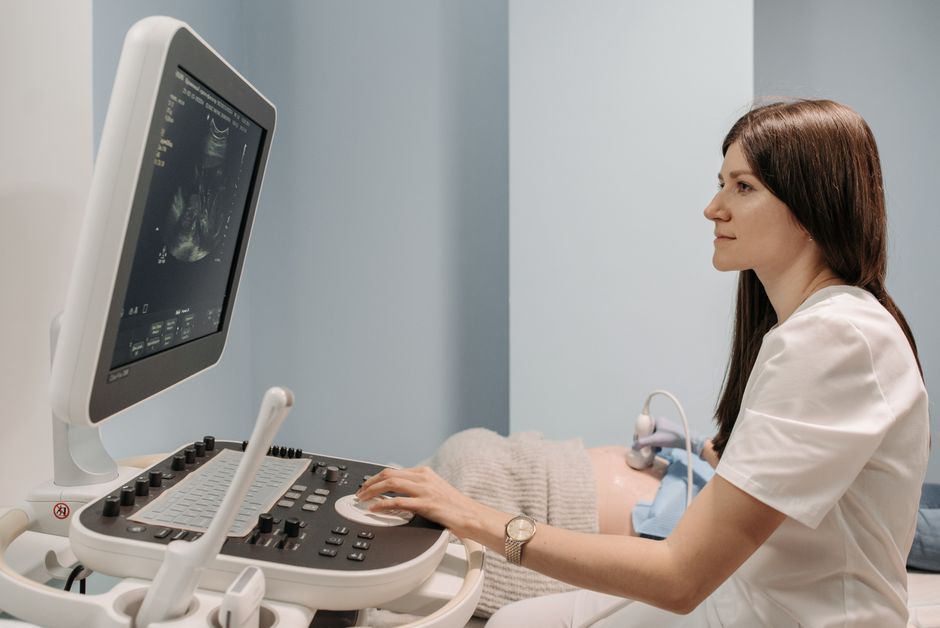
Recommended Vaccinations for Preconception Care NHS
Did you know that some infections can seriously harm your pregnancy or your baby’s health? That’s why the NHS places such importance on staying up-to-date with your vaccinations before trying to conceive.
One of the big ones is the MMR vaccine—which protects against measles, mumps, and rubella. Most people are immune, but it’s important to double-check your immunity status with your GP. Rubella (German measles), in particular, can cause serious birth defects if you catch it while pregnant. The NHS advises having two doses of the MMR vaccine before you start trying, and once you’ve had it, wait at least one month before conceiving. For more details, check out this NHS guide on the MMR vaccine.
Another vaccination to consider is for chickenpox (varicella). If you’ve never had chickenpox and haven’t been vaccinated, you could be at risk if exposed during pregnancy. Around 1 in 10 adults haven’t had chickenpox, so it’s worth checking, especially if you work in healthcare or childcare.
Other recommended vaccines include those for hepatitis B (important if you’re at increased risk) and the seasonal flu vaccine, particularly if you’re planning pregnancy during flu season. With COVID-19 still around, it’s also wise to discuss COVID-19 vaccinations or boosters with your healthcare provider.
At South Lake OB/GYN, we’re here to help you steer these vaccination decisions and ensure you’re fully protected before pregnancy.
Genetic and Health Screenings
Aside from vaccinations, there are several important screenings the NHS recommends before pregnancy. These screenings help identify potential health issues and genetic conditions, giving you peace of mind and helping you feel prepared.
First, make sure your cervical screening (smear test) is up-to-date. Women aged 25–49 should have one every three years. It’s a simple way of identifying potential issues early on, and you really want all-clear results before becoming pregnant.
Checking for sexually transmitted infections (STIs) is also crucial. Untreated STIs can impact fertility and cause complications during pregnancy or birth, but thankfully, they’re usually easy to treat if caught early.
Routine blood tests can also be helpful. They assess things like your blood type and Rh factor, check for anemia, and detect underlying health concerns. These simple tests can make a significant difference if treatments or preventive steps are needed before pregnancy.
Another important consideration is genetic screening, especially if you or your partner have family histories of inherited conditions like cystic fibrosis or sickle cell disease. The NHS offers targeted screening for specific inherited conditions based on your family background. For example, sickle cell and thalassemia are more common among people with African, Caribbean, Mediterranean, Middle Eastern, and South Asian heritage. The NHS uses a helpful Family Origin Questionnaire to see if you’re at higher risk.
If screening results suggest a risk, you’ll be offered personalized counseling and specialist referrals to help you steer your options and make informed decisions. At South Lake OB/GYN, we offer similar comprehensive preconception screenings and genetic counseling, ensuring you’re fully supported every step of the way.
The goal of preconception care NHS services is simple: to make sure you’re as healthy and prepared as possible before pregnancy. By proactively addressing screenings and vaccinations, you set the stage for a healthier journey toward parenthood—and greater peace of mind.
Special Considerations in Preconception Care
Every pregnancy journey is unique, and while the general preconception care NHS guidelines work for most people, some situations need a more custom approach. Whether you’re managing mental health conditions or planning an LGBT+ family, the NHS offers specialized support to help you prepare for parenthood in the best way possible.

Mental Health and Emotional Wellbeing
Your mental health deserves just as much attention as your physical health when preparing for pregnancy. In fact, the two are deeply connected – your emotional wellbeing can affect everything from your fertility to how you’ll cope with the changes pregnancy brings.
If you’re currently taking medications for anxiety, depression, or other mental health conditions, please don’t stop them without speaking to your doctor first. Many mental health medications can be safely continued during pregnancy, and stopping abruptly might cause more harm than good. Your doctor can help you weigh the benefits and risks specific to your situation.
“Having a baby is a big life change. Planning your pregnancy can help you feel ready to cope with those changes,” the NHS guidance reminds us – and they’re absolutely right. Pregnancy and new parenthood bring joy but also challenges, so building your resilience now is incredibly valuable.
Stress reduction techniques can make a real difference both for your current wellbeing and your fertility. The NHS recommends gentle exercise, eating well, getting 7-8 hours of sleep each night, and exploring practices like yoga and meditation. These habits not only help manage stress but can also help balance your hormones, potentially improving your chances of conception.
Building strong support networks before pregnancy gives you people to lean on during the conception journey and beyond. This might include friends, family, support groups, or mental health professionals. At South Lake OB/GYN, we see ourselves as part of your support team, providing compassionate care that addresses both your physical and emotional needs.
For those with significant mental health conditions, the NHS can connect you with perinatal mental health specialists who understand the unique challenges of managing mental health during the preconception and pregnancy periods. These experts can help create a personalized plan to support you through this important life transition.
Taking care of your mental health includes avoiding harmful behaviors like smoking, excessive alcohol, and recreational drugs – all of which can affect both your fertility and your future baby’s health. At South Lake OB/GYN, we provide a judgment-free space to discuss these challenges and find solutions that work for you.
Preconception Care for LGBT+ Families
Family comes in many beautiful forms, and the preconception care NHS approach accepts this diversity. LGBT+ individuals and couples have unique paths to parenthood, each with specific preconception considerations.
“We recognise that families come in many different shapes and sizes, and the route to becoming parents can be varied and sometimes challenging,” states NHS guidance. This inclusive approach ensures everyone receives appropriate care, regardless of sexual orientation or gender identity.
If you’re considering donor conception, the NHS provides comprehensive information about sperm, egg, or embryo donation processes. These options allow same-sex couples and single people to create families, though they come with medical, legal, and emotional considerations that are important to understand before proceeding.
Surrogacy is another path to parenthood that some LGBT+ families choose. The NHS offers guidance on navigating the complex legal, medical, and emotional aspects of surrogacy arrangements. Understanding the process thoroughly before beginning helps create a positive experience for everyone involved.
For those exploring co-parenting arrangements – where a child is raised by parents who aren’t in a romantic relationship – the NHS provides support and information to help establish healthy foundations for these family structures.
Adoption and fostering represent alternative routes to parenthood that many LGBT+ individuals and couples successfully pursue. The NHS can direct you to resources and agencies that specialize in these pathways.
The NHS also recognizes that some transgender individuals may want to preserve fertility before undergoing gender-affirming treatments. They provide specialized resources on fertility preservation options, ensuring that gender transition and family planning can be compatible goals.
At South Lake OB/GYN in Clermont, we’re deeply committed to providing inclusive, affirming care to all prospective parents. We understand that no two family-building journeys are alike, and we’re here to support your unique path to parenthood with respect, compassion, and medical excellence. Our team creates a welcoming environment where you can discuss your specific needs and concerns, and together we’ll develop a plan that helps you achieve your family dreams.
Frequently Asked Questions about Preconception Care NHS
How Long Should I Take Folic Acid Before Trying to Conceive?
Ah, folic acid—the superstar of pre-pregnancy supplements! According to preconception care NHS guidelines, it’s best to start taking folic acid at least one month before you begin trying for a baby. Ideally, though, give yourself a three-month head start for maximum benefit.
The recommended daily dose is 400 micrograms (0.4mg), and you’ll want to keep taking it at least until you’re 12 weeks pregnant. Why so early? Because these crucial first weeks are when your baby’s neural tube—the structure that becomes the brain and spine—is forming.
Some women may need a higher dose of folic acid (5mg daily, prescribed by your doctor). This includes those who have diabetes, epilepsy, obesity (BMI over 30), or a personal or family history of neural tube defects like spina bifida. Taking folic acid can reduce the risk of these defects by up to 70%, making it a simple step with powerful results.
At South Lake OB/GYN, we’re happy to help you figure out exactly how much folic acid you need based on your personal health history. The goal is simple: giving your baby the healthiest possible start in life.
What If I Have a Pre-existing Medical Condition?
Having a pre-existing medical condition doesn’t mean pregnancy isn’t possible; it just means you might need a little extra planning. The preconception care NHS approach strongly recommends specialized guidance and careful preparation if you have conditions such as diabetes, epilepsy, thyroid disorders, high blood pressure, or mental health concerns.
First things first—don’t stop taking any medications without checking in with your healthcare provider. A medication review is a key first step to ensure everything you’re taking is safe for pregnancy. Some medications might need adjustments or substitutions, and your healthcare provider or specialist will guide you through that process.
Beyond medication review, it’s important to optimize and control your health condition before pregnancy. For example, women with diabetes will need tight blood sugar control prior to conceiving, while women with epilepsy may need medication adjustments to balance seizure control with pregnancy safety. Close monitoring and regular check-ups will probably be part of your plan to ensure everything stays on track.
At South Lake OB/GYN, we work closely with your specialists to develop a personalized care plan custom specifically to you. Our goal is simple: managing your condition safely and effectively, so you can confidently begin your journey toward parenthood.
If you’d like more detail about managing specific conditions, the NHS offers additional guidance about planning pregnancy with various health conditions.
When Should I Seek Help for Fertility Concerns?
If you’ve been trying to get pregnant without success, you might wonder when it’s time to reach out for some extra help. The preconception care NHS guidance offers clear timelines:
- If you’re under 35 and haven’t conceived after a year of regular, unprotected sex, it’s time to talk to your healthcare provider.
- For those aged 36 or older, consider seeking help after about six months of trying without success.
However, you shouldn’t wait that long if there are specific concerns. If your periods are irregular or absent, if you’ve had previous abdominal surgery or pelvic infections, or if either you or your partner have known reproductive health issues, it’s wise to seek help sooner.
Your first step is typically a visit to your GP. They’ll arrange preliminary tests or refer you to a fertility specialist if needed. Fertility specialists can offer a more thorough assessment, help pinpoint the cause of the delay, and guide you toward appropriate treatments or support.
Most couples do conceive naturally within one to two years of trying—about 8 in 10 within the first year if you’re under 40. But if you’re feeling worried or frustrated, it helps to reach out early. At South Lake OB/GYN, we offer comprehensive fertility evaluations to help identify any potential issues and create a personalized plan to boost your chances of conception. You’re not alone—we’re here to help every step of the way.
Conclusion
The journey to parenthood is one of life’s most exciting trips, and preconception care NHS services offer a thoughtful roadmap to help you prepare for this incredible chapter. I’ve seen how taking these proactive steps makes a real difference for families – not just in conception success, but in the overall health of both parent and baby.
Though these guidelines originate from the NHS in the UK, they remain universally relevant in 2025. Here in Clermont, FL, our team at South Lake OB/GYN adopts evidence-based best practices that align with NHS recommendations, giving you a comprehensive approach to preconception care.
Think of preconception care as planting a garden. The more care you put into preparing the soil, the stronger your plants will grow. That’s exactly what you’re doing for your future family when you invest time in preconception health.
When my patients follow comprehensive preconception care NHS guidelines, the results speak for themselves. Professor Neil Ward’s research backs this up beautifully – his study found that 89% of women who followed proper preconception protocols successfully became pregnant, and all their babies were born healthy and well-developed. Those are the kinds of outcomes that make my job so rewarding!
At South Lake OB/GYN in Clermont, we believe in starting this journey with thoughtful preparation. Here’s what I recommend to all my patients:
Start early – ideally three months before trying to conceive. This gives your body time to build up essential nutrients and make necessary adjustments. Folic acid needs time to accumulate in your system, and lifestyle changes benefit from this runway too.
Focus on the fundamentals – what you eat, how you move, and the supplements you take form the foundation of your preconception health. Balanced nutrition rich in fruits, vegetables, and whole grains provides essential building blocks for your future baby. Regular, moderate exercise prepares your body for the physical demands of pregnancy while helping maintain a healthy weight.
Address any existing health conditions before pregnancy. Whether it’s diabetes, thyroid issues, or mental health concerns, working with your healthcare team to optimize these conditions creates a healthier environment for conception. Remember – don’t stop medications without consulting your doctor first!
Stay current with vaccinations and screenings. That MMR immunity might not seem important now, but it can make all the difference during pregnancy. The same goes for cervical screenings and STI testing – prevention is always better than treatment.
Perhaps most importantly, don’t hesitate to ask for help when you need it. Whether you’re concerned about fertility, managing mental health challenges, or exploring specialized family-building paths as an LGBT+ family, support is available. You don’t have to steer this journey alone.
At South Lake OB/GYN, we pride ourselves on providing personalized care that recognizes your unique journey to parenthood. Our team understands that no two paths to pregnancy look exactly alike, and we’re committed to supporting you every step of the way.
I still remember Emma and James, who came to me worried after trying to conceive for eight months. Through comprehensive preconception counseling, we found Emma had mild thyroid issues that were affecting her fertility. With proper management and targeted nutrition changes, they welcomed their daughter just over a year later. Their joy is why I’m so passionate about proper preparation.
Whether you’re just beginning to think about starting a family or have specific concerns about conception, I invite you to schedule a preconception consultation with us. Together, we’ll create a personalized plan that addresses your individual needs and helps you achieve your dream of a healthy pregnancy.
Your path to parenthood begins with preparation, and we’re honored to be your guides on this extraordinary journey.
For more information about our Comprehensive Prenatal Care services, please contact our office in Clermont, FL.