


What is Robotic Surgery for Gallbladder Removal?
Robotic surgery for gallbladder removal is a minimally invasive procedure where a surgeon uses robotic arms that precisely follow their hand movements to remove a problematic gallbladder. It combines tiny incisions—often only one—with advanced 3D imaging to improve accuracy and reduce recovery time.
Quick overview of robotic surgery for gallbladder removal:
- Procedure length: Usually less than 1 hour
- Recovery: Most patients discharged the same day; full recovery around two weeks
- Benefits: Reduced scarring, minimal pain, faster recovery
- Potential Risks: Slightly higher risk of bile duct injury compared to traditional laparoscopic methods
- Who’s a good candidate? Generally healthy patients experiencing gallstones, gallbladder inflammation or dysfunction
I’m Dr. Matthew Casavant—the first certified robotic surgeon at South Lake Hospital, who has performed more robotic surgery for gallbladder removal procedures than any physician in Lake County. Over the past decade, I’ve pioneered advanced minimally invasive approaches to gallbladder surgery, helping women achieve faster recovery and improved wellbeing.
Understanding Robotic Surgery for Gallbladder Removal
The gallbladder is a small, pear-shaped organ that sits beneath the liver and stores bile, a digestive fluid that helps break down fats. While you can live without your gallbladder, problems like gallstones, inflammation (cholecystitis), or gallbladder dysfunction can cause severe pain and potentially serious complications if left untreated.

Did you know that doctors perform about 1.2 million gallbladder removal surgeries in the United States each year? That makes it one of the most common surgical procedures in the country. While traditional open surgery or laparoscopic approaches have been the standard for decades, robotic surgery for gallbladder removal has emerged as an exciting alternative with numerous benefits for the right patients.
When I explain robotic surgery for gallbladder removal to my patients, many imagine a robot independently performing the surgery—but that’s not quite how it works! Instead, I sit at a console near the patient and control robotic arms equipped with tiny instruments and a high-definition camera. These robotic arms translate my hand movements into smaller, more precise actions inside the patient’s body. Think of it as an extension of my hands, but with superhuman precision and stability.
How Robotic Surgery for Gallbladder Removal Differs from Traditional Methods
To help you understand why robotic surgery for gallbladder removal might be recommended, let’s look at how it compares to other approaches.
With traditional open surgery, we make a large incision (4-6 inches) in your abdomen and cut through multiple layers of tissue and muscle. This typically means staying in the hospital for 3-5 days and taking 4-6 weeks to recover. Plus, you’ll have more pain and a noticeable scar.
Laparoscopic surgery improved things significantly. We use 3-4 small incisions (each about 1/2 inch), resulting in just a one-day hospital stay and a recovery period of 1-2 weeks. You’ll have less pain and minimal scarring.
But robotic surgery for gallbladder removal takes things even further. We can often perform the entire procedure through a single incision, typically hidden in your belly button. Most patients go home the same day and recover in about 2 weeks with minimal pain. And the best part? Many patients end up with virtually no visible scarring.
“The cosmetic advantages of single-site robotics are best compared to traditional laparoscopic surgery,” I often tell my patients. “Instead of having multiple visible scars across the abdomen, many patients have just one small, hidden incision.”
What truly makes robotic surgery for gallbladder removal special is the incredible precision and visualization it offers me as your surgeon. The system provides three-dimensional, high-definition views of the surgical area, magnifies everything up to 10 times what the human eye can see, eliminates any hand tremors, and gives me a greater range of motion than human wrists allow. It’s also more comfortable for me during longer procedures, which means I can maintain focus and precision throughout your surgery.
Advancements Enhancing Robotic Gallbladder Surgery
The field of robotic surgery is evolving rapidly. The da Vinci Surgical System, which received FDA approval for gallbladder surgery in December 2011, has gone through several impressive upgrades since then.

Some of the exciting technological advancements that benefit our patients include:
Improved 3D Imaging gives me depth perception and clarity that far surpasses traditional laparoscopic views. Firefly Fluorescence Imaging allows me to see anatomical details beyond what the human eye can detect, helping me identify bile ducts and surrounding structures with greater confidence. Single-Site Technology makes it possible to perform the entire procedure through just one small incision, often hidden in the belly button.
The newer instruments also offer Improved Instrument Dexterity with a greater range of motion and precision than earlier versions. And the Improved Ergonomics of the console design reduces surgeon fatigue during procedures—which means I can maintain peak performance throughout your surgery.
“Since its early use, robotic surgery has advanced in ways that provide surgeons technical advantages over laparoscopic surgery, improving dexterity and visualization of the surgical field,” I explain to patients. “Additionally, robotic assistance has eased the process of detailed dissection around blood vessels as well as knot tying and suturing, and provides high-definition, three-dimensional vision, allowing the surgeon to perform under improved ergonomics.”
These advancements have made robotic surgery for gallbladder removal increasingly accessible and beneficial for our patients at South Lake OB/GYN in Clermont, FL. For more detailed information about gallbladder removal procedures, the Removal Surgery (Cholecystectomy) Patient Information from SAGES provides excellent additional resources.
Benefits and Risks of Robotic-Assisted Cholecystectomy
Considering robotic surgery for gallbladder removal? That’s great! It’s smart to weigh the benefits and risks carefully before choosing any surgical procedure. Let’s explore both sides together, so you have a clear picture of what’s involved.
Benefits of Robotic Surgery for Gallbladder Removal
One of the biggest advantages of robotic cholecystectomy is the improved precision it offers. The robotic system translates your surgeon’s hand movements into smaller, extremely accurate actions inside your body. This increased precision means there’s less chance of unintended damage to nearby tissues and organs.
Your surgeon also benefits from superior visualization during surgery. The robotic system provides a crystal-clear, 3D high-definition view that magnifies the surgical area up to 10 times. This makes delicate procedures safer and helps your surgeon clearly identify critical structures like bile ducts.
For many patients, the most exciting benefit is the minimal scarring. Robotic surgery often requires only one small incision, typically hidden right in your belly button—virtually invisible after healing! This single-site approach means fewer visible scars and a boost in confidence post-surgery.
Less invasive surgery also means reduced pain and discomfort. Smaller incisions typically result in less postoperative pain compared to traditional open surgery, helping you move around sooner and feel better faster. Plus, many patients have a shorter hospital stay, often returning home the same day as surgery.
Because robotic surgery involves minimal trauma to your body, there’s typically faster recovery. Many patients at South Lake OB/GYN report returning to work and daily activities within one week, achieving full recovery within two weeks.
Additionally, the precise nature of robotic surgery contributes to decreased blood loss during the procedure, and the smaller incision significantly lowers the risk of infection. Your surgeon also benefits from improved comfort during surgery—the robotic system’s ergonomic design helps reduce fatigue during long procedures.
At South Lake OB/GYN, we’ve seen how beneficial this approach is for our patients. JadeMarie Ross, a 19-year-old who underwent single-incision robotic gallbladder removal, happily shared: “I was back on my feet in just two days!” Learn more about the benefits of robotic surgery here.
Potential Risks and Complications
All surgeries have risks, and it’s important to be fully informed about the potential complications of robotic surgery for gallbladder removal.
One risk associated with robotic-assisted gallbladder surgery is a slightly higher chance of bile duct injury compared to traditional laparoscopic surgery. According to research published in JAMA Surgery, this rate is about 0.7% for robotic surgery versus 0.2% for laparoscopic procedures. However, choosing an experienced surgeon significantly reduces this risk.
There’s also a small possibility that your surgeon might need to convert to open surgery during the procedure if they encounter unexpected complications. Thankfully, this happens in only around 5% of robotic cholecystectomies.
As with any high-tech system, there’s the rare chance of mechanical failure during surgery. But rest easy—your surgeon is trained to quickly switch to traditional laparoscopic techniques if needed, ensuring your safety.
Additionally, robotic procedures can sometimes have a longer operating time, especially if your surgeon is relatively new to the robotic platform. However, with an experienced surgeon, procedure times typically become similar to laparoscopic methods.
We’re also mindful that robotic surgeries may come with a higher initial cost compared to traditional laparoscopic methods. But it’s important to note that faster recovery times, fewer complications, and shorter hospital stays often offset these initial expenses.
Finally, robotic cholecystectomy shares general surgical risks common to all procedures, such as infection, bleeding, adverse reactions to anesthesia, and injury to nearby structures. You can read more about the risks in detail here.
The good news? At South Lake OB/GYN, our surgical team has extensive experience performing robotic cholecystectomy. As Dr. Casavant says, “The more experience your surgeon has, the safer and more effective your procedure becomes.”
Deciding if robotic surgery for gallbladder removal is right for you depends on your specific situation. At South Lake OB/GYN, we believe in personalized care—every patient is unique, and we always take the time to explain all options and help find the best fit for you.
The Single-Incision Robotic Technique
One of the most exciting advancements in robotic surgery for gallbladder removal is the single-incision technique, also known as Single-Site surgery. Forget the traditional four incisions of laparoscopic surgery or the larger cut needed for open surgery—this innovative method allows the entire procedure to happen through just one small incision around 3 centimeters long (about the length of a grape!), typically hidden neatly inside your belly button.
Not bad for something that used to leave a noticeable scar, right?
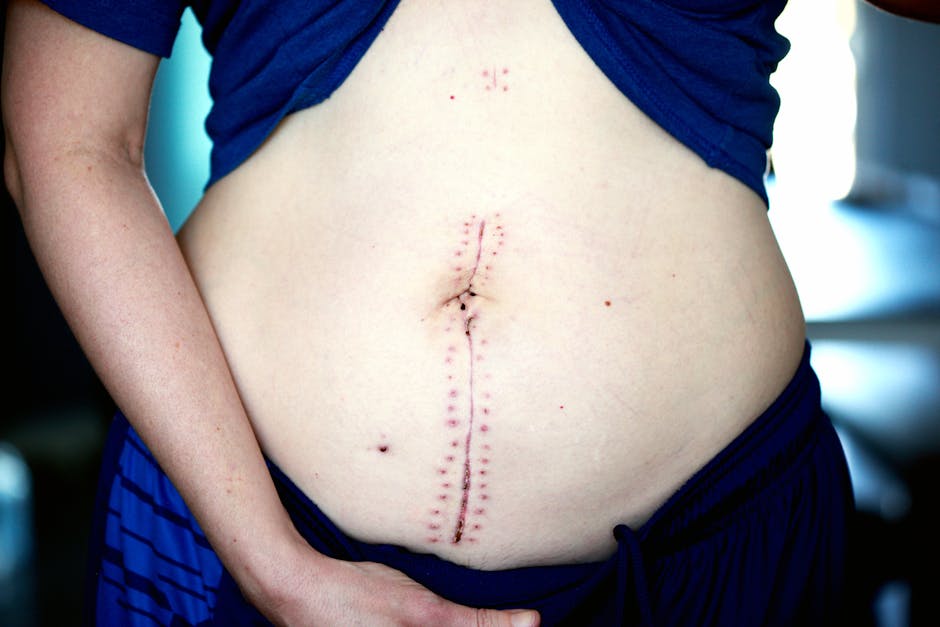
Dr. Matthew Casavant, our local pioneer in robotic gallbladder surgery at South Lake OB/GYN, explains, “This single-incision approach takes gallbladder surgery to a new level, delivering virtually scarless results and helping our patients feel better, faster.”
How the Single-Incision Technique Works
Wondering what happens during single-incision robotic gallbladder surgery? First, your surgeon makes a small incision, about 3 cm, right inside your belly button. Through this tiny opening, they insert a special port that can hold multiple instruments.
The robotic arms and camera then connect to this port. Sitting comfortably at a nearby console, your surgeon controls these robotic instruments, which precisely mimic their hand movements. The gallbladder is carefully detached and removed, all through this same little incision.
Afterward, the incision is closed neatly with dissolving sutures or surgical glue. The whole process usually takes less than an hour—and before you know it, you’re resting comfortably and getting ready to head home the same day.
Improved Patient Outcomes
Choosing a single-incision robotic approach comes with some pretty impressive perks. First, there’s the obvious cosmetic advantage—with just one small incision hidden in your belly button, many patients enjoy virtually scarless results.
But it’s not just about looks! Fewer incisions typically mean less post-operative discomfort and a quicker recovery. Patients often report feeling less pain and getting back to their usual activities faster than with traditional methods.
Having only one incision also decreases the risk of wound-related complications like infections or scarring issues. With such positive cosmetic results and less discomfort, patient satisfaction is consistently high.
Research shows that up to 80 percent of elective gallbladder removals could potentially be performed using the single-incision robotic method—offering the chance for improved outcomes to a significant number of people dealing with gallbladder issues.
Suitable Candidates for Single-Incision Robotic Cholecystectomy
While many patients can benefit from single-incision robotic surgery, the approach isn’t a perfect fit for everyone. At South Lake OB/GYN, we take the time to carefully evaluate whether this advanced method is the best choice for you.
We look at factors like your overall health, the severity of your gallbladder disease, and your Body Mass Index (BMI). Patients with very high BMIs or those who have had extensive abdominal surgeries in the past might face greater challenges with the single-incision approach. Additionally, severe inflammation or complex gallbladder cases sometimes require alternative methods.
If you’re experiencing gallbladder pain due to gallstones, infection, or gallbladder dysfunction, you’re likely an excellent candidate for single-incision robotic surgery. During your evaluation, we’ll carefully review your medical history, perform a thorough physical examination, and look closely at your imaging results to choose the surgical option that best fits your situation.
“Our priority is always what’s best for each individual patient,” says Dr. Casavant. “We make sure our patients understand all their options and feel confident in the choice they make.”
For more information about minimally invasive procedures at South Lake OB/GYN, visit our internal page on Advanced Minimally Invasive Surgery.
Recovery and Postoperative Expectations
One of the biggest advantages of robotic surgery for gallbladder removal is the quick and relatively comfortable recovery period. Knowing what to expect after your procedure can ease your mind and help you prepare for a smooth recovery experience.
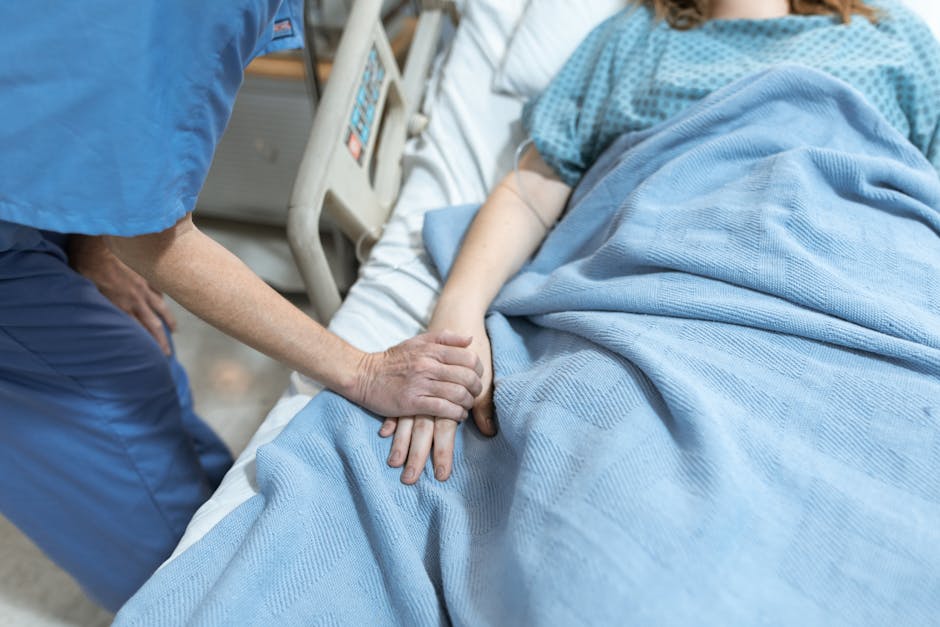
Immediate Postoperative Period
Right after your robotic cholecystectomy, you’ll spend a few hours in recovery at South Lake OB/GYN, where our caring team will keep an eye on your progress. Most patients go home the very same day—typically after just a few hours of observation. However, if your surgery is scheduled later in the day, or if your doctor feels it’s best, you might stay overnight.
You’ll probably be pleasantly surprised by the low levels of pain after your surgery. Because the incisions are tiny, patients typically experience far less discomfort compared to traditional open surgery. Still, we’ll provide you with appropriate pain medication to keep you comfortable.
The sooner you start moving, the better! We encourage gentle walking shortly after your surgery. This helps prevent complications like blood clots and boosts your recovery. You’ll start with clear liquids, then graduate back to eating normally as your body feels ready. A lower-fat diet at first can help ease digestion until your body adjusts.
Dr. Casavant notes, “Most folks are surprised at how quickly they’re up and about. Walking around, showering, and heading home the same day is typical after robotic gallbladder surgery.”
The First Week After Surgery
In the first week after surgery, pain usually decreases quickly. After the first day or two, many patients find that over-the-counter pain relievers are all they need. Just remember to go easy on yourself—no heavy lifting (anything over 10 pounds) or strenuous activities just yet. Gentle walking and moving around, on the other hand, will help you feel better faster.
You can typically shower within 24-48 hours after your surgery. Just gently pat your incision dry (no vigorous rubbing), and you’ll be good to go. Most patients feel ready to return to work or normal daily activities within 3-7 days—especially if you have a desk job or other light work.
Complete Recovery
One thing you’ll love about robotic surgery for gallbladder removal is how quickly you’ll bounce back. Most patients achieve full recovery within about two weeks, compared to the 4-6 weeks typically required after traditional open surgery.
By two weeks, most patients feel pain-free (or close to it) and can comfortably return to their regular routines. You may want to take it easy with very strenuous exercise initially, but you can gradually add back activities as your body allows.
Scars from robotic surgery are minimal and often nearly invisible, especially with the single-incision technique hidden inside your belly button. Typically, scars fade significantly within 6-12 months.
You may notice temporary digestive changes as your body adapts to not having a gallbladder. Don’t worry—your liver still produces bile for digestion; it just flows directly into your small intestine instead of being stored.
Preoperative Preparation
Getting properly prepared for your surgery is key to a smooth experience. Before undergoing robotic surgery for gallbladder removal at South Lake OB/GYN, we’ll guide you through exactly what to expect and how to get ready.
We’ll perform a thorough medical evaluation to confirm you’re a good candidate for the procedure. We’ll also review your current medications to let you know if you should pause or modify any before surgery.
Usually, you won’t eat or drink anything after midnight the night before surgery. We’ll walk you through what to expect with anesthesia, so there are no surprises. And finally, we’ll help you plan for your recovery at home, ensuring your space is set up for comfort and your loved ones are ready to support you.
Dr. Casavant emphasizes, “Good preparation means less stress on surgery day and smoother recovery at home. We’re here to walk you through every step so you feel completely confident.”
When to Call Your Doctor
While complications after robotic gallbladder surgery are rare, it’s important to know when to reach out for help. Give us a call right away if you notice:
- Fever above 101°F
- Increasing pain, redness, swelling, or unusual drainage at your incision
- Severe abdominal pain that’s not getting better
- Persistent nausea or vomiting
- Jaundice (yellow tint to skin or eyes)
- Ongoing diarrhea that won’t ease up
- Dark-colored urine or unusually pale stools
“Most patients sail through recovery without any issues,” Dr. Casavant reassures. “But we’re always just a phone call away if you have concerns or questions. We’re here to support you every step of the way.”
For more tips and guidance about recovering after gallbladder surgery, visit Gall Bladder Post-Op.
Cost Comparison and Impact on Open Surgery Rates
When considering robotic surgery for gallbladder removal, the financial aspects naturally come into play. At first glance, robotic-assisted procedures might appear pricier compared to traditional laparoscopic or open surgeries. But let’s take a closer look at the full picture, including hospital stays, recovery times, and possible complications, to truly understand the cost differences.

Cost Considerations
Several factors contribute to the overall cost of gallbladder removal surgeries. One of the main influences is the type of surgical approach. Robotic cholecystectomy typically involves higher initial costs due to advanced technology and specialized equipment.
However, these initial costs are often offset by shorter hospital stays and quicker recoveries. With robotic procedures, most patients go home the same day, reducing hospital expenses significantly compared to the 3–5 days typically required with open surgeries. Additionally, the speedier recovery means you’re back at work sooner—potentially decreasing any lost wages or additional personal costs.
Another big factor is the rate of complications. While some studies indicate a slightly higher risk of bile duct injury with robotic surgery, this risk significantly decreases when an experienced robotic surgeon performs the procedure. At South Lake OB/GYN, our surgical team has extensive experience, ensuring the highest levels of patient safety and minimizing potential extra costs associated with complications.
Of course, location matters too—healthcare prices vary widely based on geographic area. In general, average costs across different approaches tend to fall within these ranges (before insurance coverage):
- Open Cholecystectomy: typically $10,000–$20,000
- Laparoscopic Cholecystectomy: usually $7,000–$15,000
- Robotic Cholecystectomy: roughly $15,000–$25,000
Don’t panic! Most patients with health insurance will actually pay far less out-of-pocket than these figures suggest.
Insurance Coverage
Wondering if your insurance covers robotic surgery? Good news: most health insurance plans, including Medicare and Medicaid, usually cover gallbladder surgery when medically necessary. However, specific coverage details for robotic surgery for gallbladder removal vary by provider and individual policy.
At South Lake OB/GYN, we never want finances to stand in the way of exceptional care. Our friendly team will help you:
- Confirm your insurance benefits before surgery
- Handle any necessary pre-authorizations
- Provide you with clear estimates of your expected out-of-pocket expenses
- Explore available payment options to ease your financial worries
We know insurance paperwork isn’t anyone’s idea of fun (trust us, we get it!). But our goal is to help you steer the process smoothly, so you can focus fully on your health and recovery.
Impact on Open Surgery Rates
Over the past decade, there’s been a remarkable shift from open surgery toward minimally invasive methods like robotic and laparoscopic gallbladder removals. And the numbers tell an exciting story:
Between 2010 and 2019:
- Open cholecystectomy rates dropped significantly—from 24.4% to just 17.0%.
- Laparoscopic cholecystectomy rates increased slightly—from 75.4% to 77.8%.
- Robotic-assisted cholecystectomy skyrocketed—a whopping 37-fold increase from just 0.1% to 5.2%.
These numbers clearly show that both surgeons and patients are recognizing the amazing benefits of minimally invasive options like robotic surgery for gallbladder removal.
“The shift toward robotic surgery has truly transformed gallbladder removal,” notes Dr. Casavant. “What used to be a surgery requiring several days at the hospital and weeks of recovery can now have you back on your feet in just a few days—often with minimal scarring. That’s a win-win for patients.”
In short, while the upfront numbers for robotic surgery might seem higher, the overall benefits—fewer hospital stays, quicker recovery, fewer complications, and getting back to your everyday life faster—often balance things out beautifully. At South Lake OB/GYN, we’re proud to offer this advanced option to our patients, ensuring you receive exceptional care with convenience, comfort, and value.
Frequently Asked Questions about Robotic Surgery for Gallbladder Removal
Thinking about robotic surgery for gallbladder removal? You’re probably wondering about the differences between robotic and traditional methods, how much it hurts, insurance concerns, and what recovery looks like. Here at South Lake OB/GYN, we’ve gathered the most common questions our patients ask to help you feel prepared and confident.
Is Robotic Gallbladder Surgery Better Than Laparoscopic Surgery?
The answer depends on the specifics of your situation. Both robotic and laparoscopic gallbladder surgeries are minimally invasive and offer excellent safety profiles overall. However, robotic surgery has a few notable advantages that might make it the better choice for certain patients:
- Improved 3D visualization: With robotics, your surgeon gets a high-definition, 3D view inside your body—much clearer than the 2D imaging used in standard laparoscopy.
- Greater precision and flexibility: Robotic instruments can rotate and bend even more than the human wrist, allowing for delicate, precise movements that reduce the risk of complications.
- Single-incision option: Robotic technology allows many procedures to be done through just one tiny incision, often hidden in your belly button. This results in less scarring and a faster recovery.
- Reduced surgeon fatigue: Robotic surgery provides improved ergonomics for the surgeon, which helps reduce fatigue and maintain precision throughout the surgery.
On the flip side, robotic surgery tends to have slightly higher upfront costs. Additionally, some studies have shown a modestly higher rate of bile duct injury with robotic surgery compared to laparoscopic methods (0.7% vs. 0.2%). However, this risk dramatically decreases when procedures are performed by experienced surgeons like ours.
At South Lake OB/GYN, Dr. Casavant and our surgical team carefully evaluate each patient to decide which method—robotic or laparoscopic—is best suited to your unique needs and health situation.
How Painful Is Robotic Gallbladder Surgery?
We understand—no one likes pain. Here’s the good news: robotic surgery for gallbladder removal is generally quite comfortable for patients. Since you’ll be under general anesthesia, you’ll sleep through the entire surgery without feeling a thing.
After surgery, you’ll likely have some mild to moderate discomfort at the incision site. However, pain levels are typically far lower than those experienced after traditional open surgery. Most patients describe the pain as similar to soreness and easily managed with prescribed pain medications.
The first two or three days after surgery tend to be when soreness is strongest, but by the end of the first week, most patients transition to over-the-counter pain relievers. Within one week, you’ll probably feel significantly better—often back to normal or close to it, with minimal discomfort.
Rest assured, we’ll provide you with detailed pain management strategies and support every step of the way.
Does Insurance Cover Robotic Gallbladder Surgery?
This is a common and important question. Generally, most insurance plans cover gallbladder removal surgery if it’s medically necessary. Thankfully, many insurers don’t differentiate between robotic and laparoscopic surgery in their coverage policies.
However, insurance specifics can vary widely. Some plans may require pre-authorization, especially for robotic procedures. Medicare and Medicaid typically cover gallbladder removal when medically indicated, but specific coverage for robotic surgery can depend on your individual plan.
At South Lake OB/GYN, we’ve got your back. Our billing specialists work closely with your insurance company to:
- Confirm coverage before scheduling your surgery
- Obtain any necessary authorizations
- Provide clear estimates of your out-of-pocket expenses
- Help simplify the entire insurance process
We believe financial concerns shouldn’t stand between you and the best care. So don’t worry—we’ll help you steer every step.
How Long Does Recovery Take After Robotic Gallbladder Surgery?
One of the biggest perks of robotic surgery for gallbladder removal is the quick, smooth recovery. While everyone heals at their own pace, here’s what most patients typically experience:
- Same day: Most patients go home just a few hours after surgery.
- First week: Pain is mild and manageable. You’ll likely be up walking gently the same day as your surgery. Many return to light work or desk jobs within 3-7 days.
- One to two weeks: Most normal daily activities resume comfortably, though you might still avoid heavy lifting or strenuous exercise.
- Two to four weeks: You’ll likely feel back to your full energy level, comfortably resuming exercise and other more strenuous activities.
- Long term (6-12 months): The small incision scar (often hidden in your belly button) gradually fades, becoming barely noticeable.
Compared to traditional open surgery—which often requires a much longer hospital stay and up to 6 weeks recovery—the robotic approach helps you bounce back quickly, comfortably, and confidently.
Will I Need to Follow a Special Diet After Gallbladder Removal?
After your gallbladder is removed, your liver will still produce bile, but instead of being stored, it flows directly into the small intestine. This minor change can affect digestion temporarily, especially when digesting fatty foods.
For most patients, there’s no need for major diet changes long-term. You might prefer to avoid heavy, greasy foods for a short while right after surgery. Gradually reintroducing fats into your diet can help your body adjust more smoothly.
A small percentage of people may experience ongoing digestive sensitivity, so if you notice certain foods irritating your system, making slight dietary adjustments can help.
Dr. Casavant advises patients that, “while some people may feel more comfortable temporarily limiting fatty or greasy foods, most individuals eventually enjoy a normal, healthy diet without noticeable issues.”
We’re always here to guide you, answer questions, and ensure you feel comfortable throughout your recovery—no matter what your digestive system has to say about it!
Conclusion
When it comes to treating gallbladder issues, robotic surgery for gallbladder removal has truly transformed the patient experience. At South Lake OB/GYN in Clermont, FL, we’ve witnessed how this innovative approach helps our patients recover faster with less pain and minimal scarring.
The journey from traditional open surgery to today’s advanced robotic techniques reflects our commitment to providing the very best care possible. With over a million Americans undergoing gallbladder removal each year, these technological improvements are making a meaningful difference in countless lives.
What makes robotic surgery for gallbladder removal special isn’t just the technology – it’s what that technology allows us to accomplish for you. The crystal-clear 3D visualization helps us steer with unprecedented precision around delicate structures. The single-incision technique often leaves virtually no visible scarring. And perhaps most importantly for your daily life, most patients head home the same day and return to their normal activities within just two weeks.
Despite the term “robotic,” your procedure is entirely controlled by your experienced surgeon. The robotic system simply serves as an advanced tool that improves your doctor’s natural skills and precision.
At South Lake OB/GYN, we believe exceptional surgical outcomes begin with personalized care. From your first consultation through your recovery, we’re committed to understanding your unique situation and addressing your individual concerns.
“Our patients often tell us it’s the little things that make the biggest difference,” says Dr. Casavant. “We take the time to explain everything clearly, answer all your questions, and create a warm, supportive environment that feels more like family than a medical facility.”
If you’re struggling with gallbladder symptoms or your doctor has recommended removal, we invite you to reach out to our team at South Lake OB/GYN. We’ll help you understand if robotic surgery for gallbladder removal might be the right option for your specific situation. Our experienced surgical team is ready to guide you through the process with the compassion and expertise you deserve.
With the right surgical approach and a caring team by your side, gallbladder surgery doesn’t have to disrupt your life for long. Our goal is to get you back to enjoying the activities and moments that matter most to you as quickly and comfortably as possible.
Contact us today to learn more about Robotic Surgery at South Lake OB/GYN and take the first step toward lasting relief from your gallbladder issues.