


Understanding Pregnancy-Related Groin Discomfort
Groin area pain pregnancy is an extremely common experience, affecting up to 80% of expectant mothers at some point during their journey to motherhood. This discomfort typically manifests as pain in the lower abdomen, inner thighs, or pubic area.
| Common Causes of Groin Pain During Pregnancy | When It Typically Occurs |
|---|---|
| Round Ligament Pain: Sharp pain caused by stretching of the ligaments supporting the uterus | Second trimester onward |
| Symphysis Pubis Dysfunction (SPD): Pain at the joint where the pubic bones meet | Second and third trimesters |
| Relaxin Hormone Effects: Loosening of ligaments and joints throughout the pelvis | Throughout pregnancy, intensifying in later stages |
| Vaginal Infections: Can cause discomfort that radiates to the groin area | Any time during pregnancy |
| General Pelvic Pressure: From the growing baby and uterus | Third trimester |
While often uncomfortable, most causes of groin pain during pregnancy are normal and not a cause for concern. However, severe pain, pain accompanied by bleeding, fever, or difficulty walking should prompt immediate medical attention.
I’m Dr. Matthew Casavant, founding physician at South Lake OB/GYN with over two decades of experience helping expectant mothers manage and overcome groin area pain pregnancy through personalized care plans and preventative approaches. As both a medical professional and a father who has delivered all three of my own children, I understand the importance of addressing these common but challenging pregnancy symptoms with compassion and expertise.
Understanding Groin Area Pain During Pregnancy
Pregnancy transforms your body in truly amazing ways as it prepares to nurture your little one. While these changes are beautiful and necessary, they can sometimes bring unwelcome discomfort, particularly in the groin area. Let’s explore what’s happening behind the scenes to help you make sense of what you’re feeling.
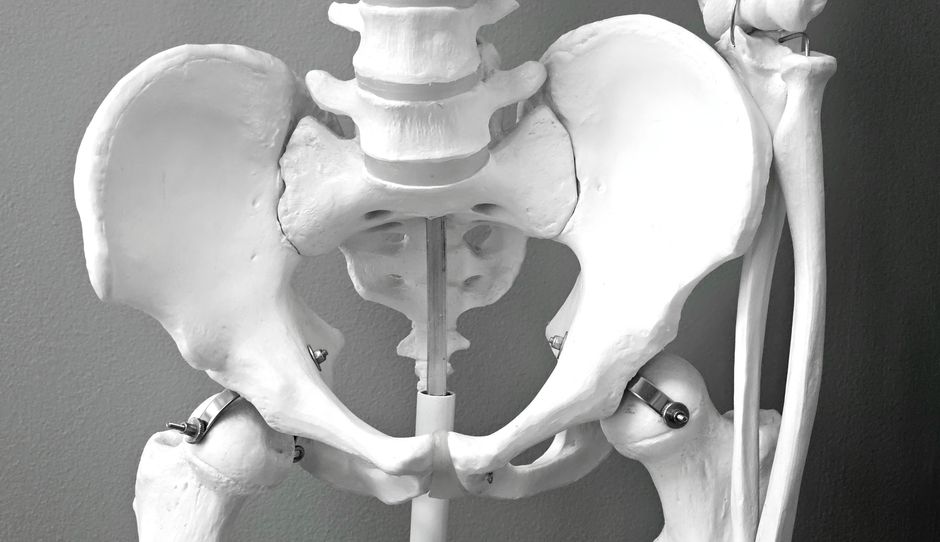
Your pelvis is home to several important structures that undergo significant changes during pregnancy. Your pubic symphysis (the joint connecting the two halves of your pelvis) begins to soften and become more mobile. Those round ligaments supporting your uterus stretch dramatically as your baby grows. Your pelvic floor muscles work overtime to support your increasingly heavy uterus, while your hip joints adjust to your shifting center of gravity.
As your pregnancy progresses, your body’s posture adapts, your weight distribution changes, and your walking pattern may even shift to accommodate your growing belly. These physical changes, combined with the hormonal symphony happening inside you, often result in that familiar groin discomfort that so many expectant mothers experience.
The Role of Relaxin in Groin Area Pain
If there were a starring hormone in the story of groin area pain pregnancy, relaxin would certainly be it. This aptly named hormone has one primary mission: to “relax” or loosen the ligaments and joints throughout your body, with special attention to your pelvic region.
“Relaxin is released by the placenta and plays a crucial role in preparing the uterus for pregnancy by relaxing uterine muscles and cervical tissue,” explains our team at South Lake OB/GYN. “However, this same hormone can cause excessive loosening of the pelvic ligaments, leading to instability and pain.”
Relaxin serves several essential purposes during pregnancy. It creates space for your growing baby by allowing your pelvis to expand. It prepares your body for childbirth by enabling your pelvis to open wider during delivery. And it works to soften your cervix as you approach labor.
While these functions are absolutely necessary for a healthy pregnancy and delivery, the increased joint mobility can sometimes be too much of a good thing. When ligaments loosen excessively, the joints they support can become unstable, resulting in pain when you move or put weight on them.
You might notice relaxin’s effects as early as your first trimester, but many women find the discomfort intensifies during the second and third trimesters when your baby’s weight adds pressure to those already loosened joints.
Symphysis Pubis Dysfunction (SPD)
About 1 in 5 pregnant women will experience Symphysis Pubis Dysfunction (SPD), also called Pelvic Girdle Pain (PGP). This condition occurs when relaxin causes too much loosening of the ligaments supporting your pubic symphysis joint—where the two halves of your pelvis meet at the front.
If you’re experiencing SPD, you might notice:
- Pain over your pubic bone that may radiate to your groin, inner thighs, or lower back
- Clicking, grinding, or popping sensations in your pelvic area
- Pain that worsens with certain movements like walking, climbing stairs, standing on one leg, rolling over in bed, or getting in and out of a car
One of our patients at South Lake OB/GYN described her SPD experience: “It felt like my pelvis was coming apart. Simple things like getting out of bed or walking up the stairs became excruciating. I was relieved to learn it wasn’t harmful to my baby, but I needed help managing the pain.”
Research shows the incidence of SPD varies from 1:36 to 3% to 2.77% in the British population. The good news is that for most women, SPD resolves shortly after delivery. However, about 1 in 10 women with SPD may experience ongoing pain requiring continued treatment after giving birth.
Understanding that these pains are normal parts of pregnancy can bring peace of mind, but that doesn’t mean you have to suffer through them. At South Lake OB/GYN, we’re committed to helping you find relief from groin area pain pregnancy with personalized care strategies.
Common Causes of Groin Area Pain in Pregnancy
Experiencing groin area pain during pregnancy is incredibly common, but that doesn’t make it any less uncomfortable. Let’s explore the most frequent culprits behind this discomfort so you can better understand what’s happening in your changing body.
| Cause | Symptoms | Timing | Relief Strategies |
|---|---|---|---|
| Round Ligament Pain | Sharp, jabbing pain in lower abdomen or groin; brief duration | Second trimester onward | Changing positions slowly; flexing hips before coughing/sneezing |
| Symphysis Pubis Dysfunction | Pain in pubic bone, groin, inner thighs; clicking/grinding sensations | Second and third trimesters | Pelvic support belt; avoiding straddle movements |
| General Pelvic Pressure | Dull ache or heaviness in groin area | Third trimester | Rest; pelvic tilts; belly support band |
| Vaginal Infections | Discomfort radiating to groin; unusual discharge | Any time | Topical antifungal treatments (if appropriate); consult healthcare provider |
| Vaginal Dryness | Irritation that may affect groin area | Any time | Water-based lubricants; staying hydrated |
Round Ligament Pain Explained
If you’ve ever felt a sudden, sharp pain in your lower belly or groin while pregnant, especially when changing positions or laughing, you’ve likely experienced round ligament pain. This is perhaps the most common source of groin area pain during pregnancy.
Those round ligaments are like supportive cords that run from your uterus to your groin area. Think of them as nature’s suspension system for your growing baby. As your belly expands, these ligaments stretch like rubber bands
“I remember the first time it happened,” shares Jessica, a South Lake OB/GYN patient. “I sneezed while grocery shopping and felt this sudden, sharp stab in my side that made me gasp. It was gone in seconds, but it certainly got my attention!”
This pain typically makes its debut in the second trimester when your baby (and uterus) are really starting to grow. The discomfort tends to be brief but intense
- Roll over in bed
- Stand up quickly from sitting
- Laugh, cough, or sneeze
- Make sudden movements
The good news? While uncomfortable, round ligament pain is completely normal and not harmful to you or your baby. To ease the discomfort, try moving more slowly (especially when changing positions), supporting your belly with your hands when you sneeze or cough, and applying gentle warmth to the area after checking with your doctor.
Vaginal Infections and Groin Discomfort
Pregnancy creates the perfect storm for vaginal infections
Yeast infections (candidiasis) are particularly common during pregnancy. Your body produces more estrogen during pregnancy, which increases glycogen in the vagina
“Many pregnant women feel embarrassed to mention vaginal symptoms,” notes Dr. Casavant at South Lake OB/GYN, “but please don’t hesitate to bring this up. These infections are incredibly common during pregnancy, and we have safe treatment options.”
If you’re experiencing itching, burning, unusual discharge, or discomfort that extends to your groin area, it’s worth discussing with your healthcare provider. While over-the-counter treatments exist, not all are pregnancy-safe, so professional guidance is important.
The CDC provides excellent scientific research on vaginal yeast infections for those wanting to understand more about these common infections. You can learn more at the CDC’s page on vaginal candidiasis.
Vaginal dryness can also cause groin discomfort during pregnancy. Despite all the extra fluids your body is retaining, hormonal changes can sometimes lead to vaginal dryness. Water-based lubricants can help with this issue, but avoid products containing estrogen during pregnancy.
While groin area pain during pregnancy has many normal causes, persistent or severe pain should always be evaluated by your healthcare provider. At South Lake OB/GYN, we understand these discomforts and are here to help you steer them with compassion and expertise.
Managing Groin Area Pain During Pregnancy
Dealing with groin area pain during pregnancy can feel overwhelming, but you’re not alone in this experience. At South Lake OB/GYN, we’ve helped countless expectant mothers find relief through personalized approaches that address their specific discomfort.
When Jessica came to our office at 28 weeks pregnant, she could barely walk due to severe groin pain. “I felt like my body was betraying me,” she told us. After assessing her situation, we recommended a combination of gentle exercises, a support belt, and activity modifications. Three weeks later, she reported being able to enjoy her daily walks again. Every woman’s experience is unique, but with the right approach, most find significant relief.
The key to managing groin area pain pregnancy lies in understanding that you don’t have to simply endure it. Pelvic support belts can be game-changers for many women, especially those experiencing SPD or intense pressure. These specialized belts stabilize your pelvis, providing immediate relief during daily activities.
Your daily movements make a tremendous difference too. Taking smaller steps when walking, keeping your knees together when turning in bed, and sitting down to put on pants can prevent triggering painful episodes. One patient laughingly told us she felt like she was “moving in slow motion” with these adjustments, but the relief was worth feeling like she was in a gentle yoga class all day.
Heat and cold therapy often provides welcome comfort. A warm shower directed at your lower back and groin area can ease tension, while a heating pad on low setting (never high during pregnancy) can soothe aching muscles. For some women, cold packs work better, especially when wrapped in a thin towel and applied for 15-20 minutes.
Rest isn’t just a luxury during pregnancy—it’s essential medicine. Your body is working overtime, and sometimes the best treatment is simply taking the weight off your feet. Try to incorporate short rest periods throughout your day, especially if you’re on your feet frequently.
Creating a supportive sleep environment can prevent pain from worsening overnight. A pregnancy pillow or regular pillows positioned between your knees and under your belly when side-sleeping helps maintain proper alignment. Many women find this simple adjustment transforms their sleep quality and reduces morning pain.
Safe Exercises for Groin Pain Relief
Movement might seem counterintuitive when you’re hurting, but the right exercises can actually strengthen the muscles supporting your pelvis and reduce pain. The key word here is “right”—not all pregnancy exercises are suitable when you’re experiencing groin discomfort.
Pelvic tilts are gentle yet effective for building core strength that supports your changing body. Standing with your back against a wall, gently tilt your pelvis so your lower back flattens against the wall, hold briefly, then release. This subtle movement engages your deep abdominal muscles without straining your groin.
Kegel exercises might not seem directly related to groin pain, but they strengthen your pelvic floor—the muscular “hammock” that supports everything above it. A stronger pelvic floor provides better stability throughout your pelvis, potentially reducing groin discomfort. These invisible exercises can be done anywhere, anytime, without anyone knowing.
Water provides a wonderful environment for pregnancy exercise when you’re dealing with pain. The buoyancy immediately relieves pressure on your joints while allowing for movement. Simple water walking or gentle swimming (avoiding the breaststroke if you have SPD) can maintain fitness without aggravating your symptoms. As one patient told us, “In the pool, I feel like my pre-pregnancy self again—weightless and strong.”
Gentle stretching can release tension that contributes to pain. Cat-cow stretches on hands and knees can be particularly soothing, allowing your belly to hang freely while mobilizing your spine and pelvis. Gentle hip rotations while seated on an exercise ball can also help maintain mobility without strain.
Exercise during pregnancy—especially when you’re experiencing pain—should never be about pushing through discomfort. Listen to your body and stop if something doesn’t feel right. You can find more specific guidance on helpful movements on our page about Stretches for Round Ligament Pain.
When to Consult Your Healthcare Provider
While most groin area pain during pregnancy falls within the field of normal, there are times when it warrants professional attention. We’d rather you call us with a concern that turns out to be minor than worry unnecessarily at home.

Sarah, a first-time mom at 32 weeks, hesitated to “bother” us about her increasing groin pain. When she finally called, we finded she had developed a urinary tract infection that was causing referred pain. “I wish I’d called sooner,” she told us afterward. “The relief after treatment was immediate, and I had been suffering needlessly.”
Severe pain that interferes with walking or daily activities is never something to ignore. While discomfort is common, debilitating pain is not. Similarly, if you notice pain accompanied by vaginal bleeding, this requires immediate attention as it could indicate a more serious condition.
Fever, chills, or signs of infection alongside groin pain could suggest an underlying issue that needs treatment. Pain during urination might indicate a urinary tract infection, which can be safely treated during pregnancy but requires prompt attention.
Pay attention to the pattern of your discomfort. Sudden-onset severe pain or pain that doesn’t improve with rest or position changes deserves evaluation. Similarly, unusual vaginal discharge or contractions before 37 weeks should prompt a call to our office.
At South Lake OB/GYN, we’ve created an environment where you never need to feel embarrassed about reaching out with concerns. Our team understands the unique challenges of pregnancy and is committed to supporting you through each step of your journey. Sometimes, what you need most is reassurance that what you’re experiencing is normal—and sometimes, you need intervention. Either way, we’re here for you.
Managing groin area pain pregnancy successfully often involves a combination of approaches custom to your specific situation. By working together, we can help ensure your pregnancy remains as comfortable as possible, allowing you to focus on the joy of preparing for your new arrival.
Frequently Asked Questions about Groin Area Pain in Pregnancy
Is groin area pain normal during pregnancy?
Yes, groin area pain pregnancy is incredibly common—affecting up to 80% of expectant mothers at some point during their nine-month journey. If you’re experiencing this discomfort, you’re definitely not alone!
This pain typically stems from your body’s amazing ability to adapt to pregnancy. Think about it: your body is creating more space for your growing baby, which means things have to shift and stretch. The hormone relaxin (aptly named!) increases during pregnancy, causing ligaments throughout your body to loosen. This natural process, combined with your baby’s increasing weight, puts pressure on your pelvic joints and surrounding structures.
One of our South Lake OB/GYN patients, Melissa, described it perfectly: “It felt like growing pains, but in my groin area. Once I understood why it was happening, it made the discomfort easier to manage.”
While groin pain is normal, we always want to hear from you if the pain becomes severe or interferes with your daily activities. As Dr. Casavant often tells our patients, “Pregnancy discomfort is expected, but suffering is optional—we have ways to help!”
Can groin area pain affect labor and delivery?
Many expectant mothers worry about how their groin area pain pregnancy might impact their labor and delivery. The good news is that with proper planning and communication with your healthcare team, most women can still have a positive birth experience—even those with conditions like Symphysis Pubis Dysfunction (SPD).
“I was terrified that my pelvic pain would make delivery impossible,” shared Jessica, a first-time mom who delivered with us last year. “But my doctor at South Lake OB/GYN helped create a birth plan that took my SPD into account. We practiced positions that kept my knees closer together, and the delivery went much more smoothly than I expected.”
If you’re experiencing significant groin pain, we encourage you to talk openly with your provider about your concerns. Together, we can explore comfortable birthing positions, pain management options, and create a flexible plan that prioritizes both your comfort and safety.
Interestingly, the hormones released during labor (including an extra surge of relaxin) often help ease SPD discomfort during the birthing process itself. Your body has an amazing way of preparing for exactly what it needs to do!
How long does groin area pain last after pregnancy?
For most new moms, groin area pain pregnancy symptoms begin to fade within a few weeks after delivery. Once your baby is born, those pregnancy hormones that caused ligament laxity begin to normalize, and your body gradually returns to its pre-pregnancy state.
The timeline varies depending on what caused your groin pain:
Round ligament pain typically disappears almost immediately after delivery—the moment that pressure is relieved, most women notice the pain is gone. What a relief!
Symphysis Pubis Dysfunction (SPD) symptoms usually improve significantly within those first few postpartum weeks. Sarah, who experienced severe SPD during her second pregnancy, told us: “By two weeks postpartum, I could already feel the difference. By six weeks, I was able to walk normally again without that telltale ‘waddle.'” However, about 1 in 10 women with SPD may experience ongoing discomfort that requires continued treatment.
General pelvic discomfort often improves quickly but may take longer if you experienced significant pelvic floor strain during delivery.
To support your recovery, gentle movement is key—start with short, easy walks and gradually increase activity as comfort allows. Pelvic floor exercises (those trusty Kegels!) can make a big difference in your recovery, as can proper body mechanics when lifting and carrying your baby.
The “fourth trimester” is a time of healing and adjustment. Be patient with your body and don’t hesitate to bring up any persistent pain at your postpartum appointments. At South Lake OB/GYN, we’re committed to supporting you through every stage of motherhood—including your recovery.
Conclusion
Living with groin area pain during pregnancy isn’t easy, but you’re far from alone in this experience. As we’ve explored throughout this guide, this discomfort touches the lives of most expectant mothers at some point during their pregnancy journey. At South Lake OB/GYN, we see women managing this challenge every day, and we’re committed to helping you find relief while understanding what’s happening in your changing body.
Your body is doing something truly remarkable right now. It’s creating space for new life, stretching and shifting in ways that can sometimes be uncomfortable. The hormone relaxin is loosening your ligaments, your center of gravity is changing, and your pelvis is preparing for the incredible event of childbirth. All of these changes can contribute to that nagging pain in your groin area.
The good news? Most pregnancy-related groin pain, while certainly uncomfortable, poses no risk to your baby. With proper understanding and the right management approaches, you can significantly reduce your discomfort and focus more on the joy of your pregnancy.

We’ve found that the most successful approach combines several strategies: supportive devices like pelvic belts, gentle movement and appropriate rest, position modifications, and sometimes complementary therapies like prenatal massage or water exercises. The key is finding what works best for your unique body and situation.
Remember to listen to your body’s signals. While groin area pain during pregnancy is common, severe pain, pain accompanied by bleeding, fever, or difficulty walking should prompt a call to our office. We’d much rather you reach out with concerns than worry alone at home.
“I remember feeling like my body was betraying me during my second trimester,” shared Maria, one of our patients who experienced significant SPD. “But my doctor helped me understand that this pain was actually a sign that my body was doing exactly what it needed to do to prepare for my baby. That perspective, along with practical management strategies, made all the difference.”
At South Lake OB/GYN in Clermont, we believe that informed patients are empowered patients. That’s why we take the time to explain what’s happening in your body and work with you to develop personalized approaches to managing discomfort. Our team creates a supportive, family-like atmosphere where you can comfortably share your concerns and find solutions that work for your unique situation.
Pregnancy is a remarkable journey with its share of challenges, but with the right support, even the uncomfortable parts become more manageable. We’re honored to walk alongside you during this special time, helping you focus less on discomfort and more on the joy of welcoming your little one.
For personalized care and support during your pregnancy journey, contact South Lake OB/GYN today. Our experienced team is ready to help you steer the challenges and celebrate the joys of pregnancy with confidence and comfort.