


Understanding the Endometrial Cycle
Proliferative endometrium meaning refers to the normal phase of the menstrual cycle when the uterine lining (endometrium) grows and thickens in response to rising estrogen levels. This typically occurs during the first half of the menstrual cycle, following menstruation and before ovulation.
Quick Answer: What is proliferative endometrium?
- A normal phase of the menstrual cycle (not a medical condition)
- Occurs during days 5-14 of a typical cycle
- Characterized by endometrial thickening from ~4.5mm to ~10mm
- Driven by increasing estrogen levels
- Prepares the uterus for potential pregnancy
During the proliferative phase, endometrial cells multiply rapidly as the lining rebuilds after menstruation. This growth is essential for creating a suitable environment for a fertilized egg to implant. The endometrium typically grows from approximately 4.5mm on cycle day 4 to about 10mm by cycle day 9, when it generally plateaus.
Understanding this normal physiological process is important because it helps distinguish between healthy endometrial development and potential abnormalities that might require medical attention.
I’m Dr. Matthew Casavant, founding physician at South Lake OB/GYN with over two decades of experience evaluating and treating conditions related to proliferative endometrium meaning and other reproductive health concerns. Throughout my career, I’ve helped countless women understand their menstrual health and steer any complications that may arise during this natural process.
Understanding the Proliferative Endometrium Phase
The proliferative endometrium phase is truly one of nature’s most remarkable processes. Think of it as your body’s monthly renewal project – after menstruation clears away the previous lining, your uterus immediately begins rebuilding a fresh, hospitable environment just in case a pregnancy might occur.
When your period ends, your body shifts into rebuilding mode. This is the proliferative phase, named for the rapid multiplication (or proliferation) of the endometrial cells that form your uterine lining. It’s like watching a garden regrow after winter – methodical, purposeful, and quite amazing when you understand what’s happening.
Your endometrium follows a predictable growth pattern during this time. Starting from a thin 4.5 mm just after menstruation, it grows about 1 mm daily until reaching approximately 10 mm by around day 9 of your cycle. After hitting this thickness, growth typically plateaus even though estrogen levels continue rising.

Estrogen is the star hormone during this phase. Released by developing follicles in your ovaries, it sends signals to the endometrial cells to divide and multiply. But estrogen doesn’t just make the lining thicker – it orchestrates the development of glands and blood vessels within the endometrium, creating a nutrient-rich environment that could potentially nurture new life.
Many women are surprised to learn about this intricate process. As one South Lake OB/GYN patient shared during her consultation: “I never realized how precisely orchestrated my menstrual cycle was until Dr. Casavant explained the proliferative phase to me. It’s amazing how our bodies prepare so methodically for a potential pregnancy each month.”
Proliferative Endometrium Meaning
When your doctor mentions proliferative endometrium meaning, they’re referring to the specific appearance and characteristics of your uterine lining during this growth phase. If you’ve had an endometrial biopsy and your results show “proliferative endometrium,” that’s actually good news! It indicates your endometrium is in a normal, healthy phase of your menstrual cycle.
The proliferative endometrium meaning in medical terms describes several key features: actively dividing cells that thicken the endometrial lining from about 4.5 mm to 10 mm, developing endometrial glands that become longer and more coiled, increasing blood vessel formation to support the growing tissue, and overall preparation for the next phase that will occur after ovulation.
Finding “proliferative endometrium” on a pathology report isn’t a diagnosis of a condition – it’s simply describing the current state of your uterine lining. As pathologist Dr. Adnan Karavelic notes: “Proliferative endometrium is a noncancerous change and is a normal finding in women of reproductive age.”
This phase is crucial for endometrial regeneration after menstruation. During your period, the functional layer of the endometrium sheds, but the basal layer stays intact. From this foundation, regeneration begins, with estrogen stimulating new tissue growth to replace what was lost – a beautiful example of your body’s remarkable regenerative capabilities.
Differences Between Proliferative and Secretory Endometrium
The menstrual cycle is like a carefully choreographed dance, with two main acts when it comes to the endometrium: the proliferative phase and the secretory phase. Understanding how these phases differ helps paint a clearer picture of what proliferative endometrium meaning truly encompasses within the broader menstrual cycle.
The proliferative phase occurs during the first half of your cycle (roughly days 5-14 in a typical 28-day cycle). Then, after ovulation, your body transitions into the secretory phase, which typically continues for 14 to 18 days unless pregnancy happens.

Think of these phases as your body’s way of first preparing a cozy nest and then making it even more comfortable for a potential pregnancy. The differences between these phases are quite remarkable, and they’re all orchestrated by your hormones.
| Feature | Proliferative Endometrium | Secretory Endometrium |
|---|---|---|
| Primary hormone | Estrogen | Progesterone |
| Timing in cycle | First half (follicular phase) | Second half (luteal phase) |
| Endometrial thickness | Gradually increases | Maintains thickness, becomes more vascular |
| Gland appearance | Straight, narrow glands | Tortuous, saw-toothed glands with secretions |
| Cell activity | Rapid cell division | Secretory activity |
| Blood vessels | Developing | Spiral arteries fully developed |
| Purpose | Building up endometrial lining | Preparing for implantation |
| If no pregnancy | Continues until ovulation | Breaks down, leading to menstruation |
Proliferative Endometrium vs. Secretory Endometrium
The shift from proliferative to secretory endometrium marks a pivotal turning point in your monthly cycle. While the proliferative endometrium meaning centers on growth and rebuilding, the secretory phase is all about creating the perfect environment for a fertilized egg to nestle in.
During the proliferative phase, estrogen is the star of the show. It encourages endometrial cells to multiply quickly, making the lining thicker by the day. The endometrial glands during this time are relatively straight and narrow – simple in their structure and function.
After ovulation, everything changes. The corpus luteum (formed from the follicle that released the egg) begins producing progesterone alongside estrogen. This hormonal shift is like flipping a switch, changing the endometrium from “growth mode” to “welcome mode.” The endometrial glands become more twisted and coiled, and they start producing rich, glycogen-filled secretions that would nourish an early embryo.
“I explain to my patients that it’s like their body is first building a house and then stocking the pantry,” says Dr. Casavant of South Lake OB/GYN. “Every part of the process has a purpose.”
The secretory endometrium also develops special spiral arteries – blood vessels specifically designed to supply nutrients to a developing placenta if pregnancy occurs. If pregnancy doesn’t happen, these spiral arteries begin to constrict toward the end of the secretory phase, cutting off blood supply to parts of the endometrium. This leads to tissue breakdown and menstruation – and the cycle begins anew.
The beauty of this system lies in its precision. Your body prepares for pregnancy every month without fail, creating the optimal conditions for new life while also having a backup plan if pregnancy doesn’t occur. Understanding these distinct phases helps women recognize the normal patterns of their reproductive health and identify when something might be amiss.
Disordered Proliferative Endometrium: Causes and Implications
Sometimes our bodies don’t follow the perfect script, and this is certainly true when it comes to endometrial growth. While the proliferative phase is a normal part of your menstrual cycle, occasionally the endometrium doesn’t grow in that beautifully orchestrated pattern we’d expect. When this happens, doctors refer to it as “disordered proliferative endometrium.”
“Under normal circumstances, the endometrium responds uniformly. Growth is symmetrical, and there is no bleeding.” – Dr. Lindemann
Think of disordered proliferative endometrium as your uterine lining growing in an irregular fashion – almost like a garden where some patches grow taller than others. Instead of responding uniformly to estrogen stimulation, different areas of the endometrium grow at different rates or in different patterns.
Your hormones typically conduct this symphony of growth with precision, but several factors can throw off this delicate balance. Excess estrogen without adequate progesterone is often the primary culprit. This imbalance can stem from various sources – your body might not be ovulating properly (anovulatory cycles), you might be experiencing the hormonal roller coaster of perimenopause, or conditions like Polycystic Ovary Syndrome (PCOS) might be affecting your hormone levels.
Even factors like weight can play a role. Fat tissue actually produces estrogen, so individuals with obesity sometimes experience higher estrogen levels, potentially contributing to disordered endometrial growth. Certain medications can also influence your hormone balance.
If you’re experiencing disordered proliferative endometrium, you might notice some telltale signs. Irregular or unpredictable bleeding is often the first clue something’s amiss. You might also experience spotting between periods, heavier-than-normal menstrual flow, more painful periods, or in some cases, difficulty conceiving.
At South Lake OB/GYN, we often see patients who’ve been dealing with these symptoms for months before seeking help. Your period shouldn’t be disruptive to your life – if it is, that’s worth a conversation with your doctor.
Disordered proliferative endometrium doesn’t exist in isolation. It can be associated with other conditions like endometrial hyperplasia (excessive growth of the uterine lining), uterine polyps (growths attached to the inner wall of your uterus), or even atrophic endometrium (thinning of the endometrium, often seen in postmenopausal women).
Dr. Lindemann emphasizes, “Early treatment of disordered proliferative endometrium is the best way to prevent more serious problems later.” This highlights why prompt medical evaluation for abnormal bleeding patterns is so important – addressing these issues early typically leads to simpler treatment and better outcomes.
Is Proliferative Endometrium a Sign of Cancer?
I can’t tell you how often patients come into our office worried that their diagnosis might mean cancer. Let me reassure you: the proliferative endometrium meaning in its normal context simply describes a natural phase of your menstrual cycle – it’s not indicative of cancer.
Even when we’re talking about disordered proliferative endometrium, it’s generally not cancerous. Think of it more as a warning sign that your hormones might be out of balance. That said, persistent hormonal imbalances, if left untreated for years, can sometimes lead to conditions that increase cancer risk over time.
To put your mind at ease, let’s clarify the relationship between various endometrial conditions and cancer risk:
Normal proliferative endometrium is just that – normal. It carries no increased cancer risk. Disordered proliferative endometrium generally isn’t cancerous either, though it may warrant monitoring. Simple endometrial hyperplasia without atypia carries a low risk of progression to cancer (less than 5%), while complex hyperplasia without atypia has a slightly higher risk. The real concern begins with hyperplasia with atypia, which carries a significant risk of progression to endometrial cancer (up to 30%).
At South Lake OB/GYN in Clermont, FL, we take a proactive approach with our patients. When you come to us with abnormal bleeding, we conduct thorough evaluations to rule out more serious conditions and get to the root cause of your symptoms.
It’s worth noting that some risk factors for endometrial cancer overlap with those for disordered proliferative endometrium. These include excess estrogen exposure, obesity, diabetes, hypertension, family history of certain cancers, personal history of breast or ovarian cancer, or never having been pregnant.
Dr. Lindemann explains, “When endometrial cancer presents in premenopausal individuals, the bleeding usually occurs between periods, just like disordered proliferative endometrium.” This similarity is precisely why any abnormal bleeding warrants a visit to your doctor – not to frighten you, but to ensure we catch any issues early when they’re most treatable.
Knowledge is power, and understanding your body and its signals is the first step toward optimal health. At South Lake OB/GYN, we’re here to help you interpret those signals and find the right solutions for your unique situation.
Diagnosing Proliferative Endometrial Conditions
When it comes to understanding what’s happening with your endometrium, getting an accurate diagnosis is essential. At South Lake OB/GYN, we take a thorough, compassionate approach to evaluating potential endometrial abnormalities. Whether you’re experiencing unusual symptoms or just need routine monitoring, we’re here to help you understand what’s going on inside your body.
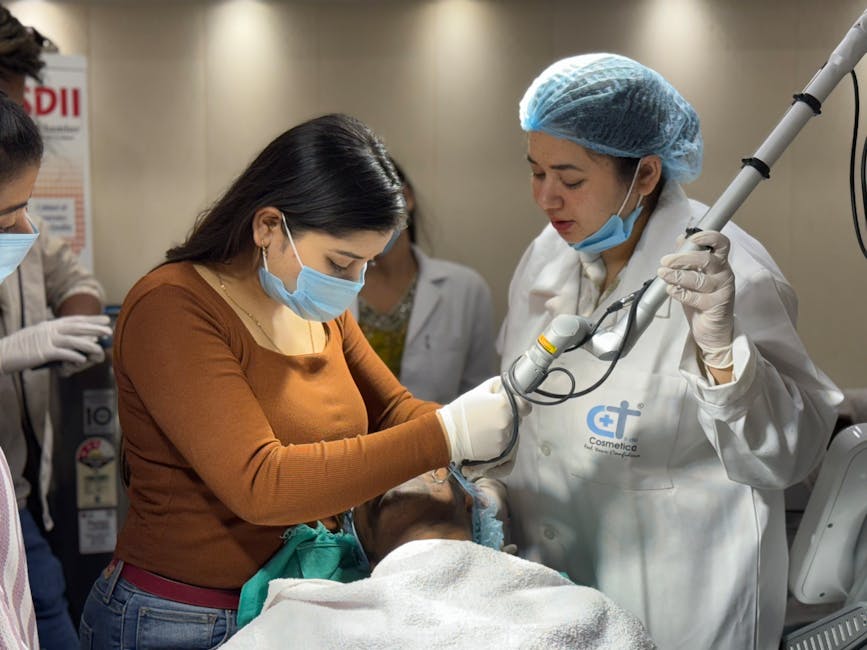
One of the first tools we often use is a transvaginal ultrasound. This gentle imaging technique lets us see your endometrium and measure its thickness without any surgical intervention. During a normal proliferative phase, we’d expect to see your endometrium gradually thickening to around 10mm by mid-cycle. If we notice it’s unusually thick, especially if you’re postmenopausal, we might recommend additional testing.
Many of our patients find the endometrial biopsy to be a particularly valuable diagnostic procedure. During this quick office visit, we take a tiny sample of tissue from your endometrial lining to examine under a microscope. Yes, you might feel some cramping similar to menstrual cramps, but many women are surprised by how quickly it’s over. This small sample can tell us whether your endometrium is in the proliferative phase, secretory phase, or showing signs that require attention.
“I was nervous about my biopsy,” shared Maria, a patient at our Clermont office. “But Dr. Casavant explained everything beforehand, and the nurses held my hand through the whole thing. It wasn’t nearly as bad as I’d imagined, and the peace of mind was worth it.”
For a clearer view of what’s happening, we sometimes recommend a saline infusion sonography (SIS). This improved ultrasound technique uses a small amount of sterile saline in your uterine cavity to help us better visualize the endometrium and spot any polyps or fibroids that might be hiding.
When we need an even closer look, a hysteroscopy allows us to directly see inside your uterine cavity using a thin, lighted scope. This versatile procedure can be purely diagnostic or can include removing polyps or taking targeted biopsies if needed.
In some cases, we might recommend a dilation and curettage (D&C) to obtain a larger tissue sample than what’s possible with an office biopsy. Performed under anesthesia, this procedure involves gently dilating your cervix and carefully removing tissue from the uterine lining for examination.
Your hormones tell an important story too. Hormonal blood tests help us identify imbalances that might be contributing to endometrial issues. These tests can be particularly revealing when it comes to understanding the root causes of abnormal bleeding or irregular cycles.
Research published in the National Library of Medicine confirms that endometrial biopsy is highly accurate for detecting endometrial cancer, with sensitivity greater than 90%. That said, since biopsies sample only a portion of the endometrium, we often combine them with imaging for a more complete picture.
When our pathologists examine your biopsy, they’re looking for specific cellular patterns. Normal proliferative endometrium meaning in pathology terms shows endometrial glands that are relatively straight and narrow, with cells actively dividing. Disordered proliferative endometrium, on the other hand, shows irregular development with varying shapes and sizes of glands.
If you’re curious about what happens during an endometrial biopsy or want to prepare yourself before your appointment, we’ve put together a comprehensive guide: Endometrial Biopsy: Everything You Need to Know.
At South Lake OB/GYN, we believe in making your diagnostic experience as comfortable and informative as possible. We’ll walk you through each step, explain what we’re finding, and work with you to determine the best path forward. Because understanding your body isn’t just about medical terms and procedures—it’s about giving you the knowledge and support you need to make informed decisions about your health.
Treatment Options for Disordered Proliferative Endometrium
When a diagnosis of disordered proliferative endometrium is made, we don’t believe in one-size-fits-all solutions at South Lake OB/GYN. Instead, we craft treatment plans as unique as each woman who walks through our doors. Your age, symptoms, fertility wishes, and risk factors all play important roles in determining the best approach for you.
“I remember feeling overwhelmed when I first heard my diagnosis,” shares Maria, a patient in her late 30s. “But Dr. Casavant took the time to explain everything and created a plan specifically for my situation. I never felt like just another case.”
Hormonal Treatments: Restoring Balance
For many women, hormonal therapy provides excellent results with minimal intervention. These treatments work by counterbalancing excess estrogen, which is often the culprit behind disordered endometrial growth.
Oral progestins like medroxyprogesterone acetate (Provera) can work wonders by regulating the endometrial lining. Think of progestins as the “reset button” for your endometrium. Treatment might last anywhere from a few months to a year, depending on how your body responds.
The levonorgestrel-releasing intrauterine system (LNG-IUS) offers a more hands-off approach. This small device sits in your uterus, releasing targeted progestin right where it’s needed for up to 5 years. It’s particularly helpful if you’re also experiencing heavy periods or need contraception.
“My LNG-IUS was a game-changer,” says Rebecca, a 42-year-old patient. “After struggling with unpredictable, heavy bleeding for years, I finally got my life back. I can plan vacations without worrying about surprise bleeding!”
Combined hormonal contraceptives – whether pills, patches, or rings – provide both estrogen and progestin in carefully balanced amounts. These can effectively regulate your cycle while preventing the irregular endometrial growth associated with proliferative endometrium meaning disorders.
Surgical Options: When More Intervention Is Needed
Sometimes, surgery offers the best solution, particularly when hormonal treatments haven’t provided relief or when we need more tissue for diagnosis.
A dilation and curettage (D&C) procedure removes the abnormal endometrial tissue, giving you a fresh start, so to speak. While not a permanent fix (your endometrium will regrow), it can provide immediate relief and valuable diagnostic information.
For more targeted treatment, hysteroscopic procedures allow us to precisely remove abnormal areas while preserving healthy tissue. This precision is especially important if maintaining fertility is a priority for you.
If you’ve completed your family, endometrial ablation might be worth considering. This procedure destroys the endometrial lining, significantly reducing or eliminating menstrual flow in most women.
In rare cases, when other treatments have failed or when risk factors raise significant concerns about cancer progression, a hysterectomy may be recommended. At South Lake OB/GYN, we view this as a last resort for disordered proliferative endometrium alone and will thoroughly discuss all alternatives before considering this option.
The Power of Early Intervention
“I can’t stress enough how important early treatment is,” says Dr. Casavant. “When we address hormonal imbalances promptly, we can often prevent progression to more concerning conditions and help women maintain their reproductive health.”
We’ve seen countless success stories at our practice in Clermont. Like Jennifer, a 35-year-old who came to us with disordered proliferative endometrium and concerns about her fertility. After a few months of targeted hormonal therapy to balance her cycle, she was able to conceive her now two-year-old daughter.
Or Melissa, a 42-year-old teacher who struggled with unpredictable bleeding that interfered with her classroom schedule. With cyclic progestin therapy, she now experiences regular, predictable periods that she can plan around.
The goal isn’t just symptom relief—though that’s certainly important. We aim to restore normal endometrial function and reduce any long-term risks associated with hormonal imbalances. Because understanding the proliferative endometrium meaning and its implications is just the beginning. Taking action is what truly makes a difference in your health and quality of life.
At South Lake OB/GYN, we’re committed to finding the right solution for you, with treatments custom to your unique situation and goals. After all, your reproductive health journey is personal—and your treatment should be too.
Proliferative Endometrium and Fertility
When you’re trying to conceive, the health of your endometrium plays a crucial role in the process. The relationship between your proliferative endometrium and fertility isn’t just important—it’s fundamental to creating the perfect environment for a pregnancy to begin.
During a normal menstrual cycle, the proliferative phase works like a careful gardener preparing soil for planting. Your body builds the endometrial lining to just the right thickness (typically 8-12mm is considered the sweet spot for implantation), develops rich blood vessels to nourish a potential embryo, and prepares specialized glands that will later produce vital nutrients. All of this groundwork sets the stage for the receptivity markers that will appear during the secretory phase—essentially hanging up the “Welcome” sign for a fertilized egg.
But what happens when things don’t go according to plan? When the proliferative phase gets disrupted, as with disordered proliferative endometrium, several fertility challenges can emerge.
For starters, implantation issues become more common. Without the ideal thickness or structure, the endometrium may not provide the perfect landing spot for an embryo. Research has consistently shown that when the endometrial lining measures less than 7mm, implantation rates drop significantly during fertility treatments.
Luteal phase defects can also develop. Think of it like building a house—if the foundation (the proliferative phase) isn’t quite right, the upper floors (the secretory phase) won’t be stable either. This matters because implantation normally occurs during that secretory phase.
The same hormonal imbalances that cause disordered proliferative endometrium can throw off your ovulation timing or affect egg quality. And let’s not forget about irregular bleeding patterns, which can make timing intercourse for conception feel like trying to hit a moving target.
“Understanding the proliferative endometrium meaning in the context of fertility has completely changed our approach to helping patients conceive,” explains Dr. Casavant at South Lake OB/GYN. “Sometimes making small adjustments to hormonal balance creates just the right endometrial environment for pregnancy to occur.”
At South Lake OB/GYN in Clermont, we work with many patients facing fertility challenges related to endometrial factors. Our approach is thorough but personalized. We monitor the endometrium through ultrasound throughout your cycle, assess hormonal levels to identify any imbalances, provide targeted treatments to optimize endometrial development, and coordinate with reproductive specialists when more advanced fertility treatments might help.
One fascinating scientific findy comes from research examining endometrial growth patterns in women with infertility. Scientists found that women with conditions like PCOS, endometriosis, and recurrent pregnancy loss often show different patterns of endometrial growth during the proliferative phase—their lining typically reaches a lower peak thickness and plateaus later compared to women without these conditions.
If you’re experiencing fertility challenges that might be related to endometrial factors, we recommend tracking your menstrual cycles carefully and noting any irregularities. Consider monitoring your ovulation and endometrial development through ultrasound, and address any hormonal imbalances that might be affecting your proliferative phase.
Most importantly, don’t wait too long to seek evaluation if you’ve been trying to conceive without success. Generally, we recommend consulting with a healthcare provider after 12 months of trying for women under 35, or after 6 months for women over 35.
The good news is that with proper evaluation and targeted treatment, many women with endometrial factors affecting fertility can achieve successful pregnancies. We’ve seen countless patients at South Lake OB/GYN overcome these challenges and welcome healthy babies into their families.
Your fertility journey is unique, and having supportive, knowledgeable healthcare providers can make all the difference in navigating the path to parenthood.
Frequently Asked Questions about Proliferative Endometrium
What is the proliferative endometrium meaning?
When we talk about proliferative endometrium meaning, we’re referring to a natural, healthy phase of your menstrual cycle. This is the time when your uterine lining rebuilds itself after your period ends, typically happening during days 5-14 of a 28-day cycle.
Think of it as your body’s monthly renovation project! After shedding the old lining during menstruation, your uterus gets busy creating a fresh, comfortable environment that could potentially house a pregnancy.
During this remarkable phase, your endometrium grows from a thin 4.5mm right after your period to about 10mm by mid-cycle. Countless cells are multiplying, endometrial glands are developing, and everything is being prepared just in case a fertilized egg comes along.
If you’ve had a biopsy and your doctor mentioned “proliferative endometrium” in your results, that’s actually good news! It’s not a diagnosis or a problem—it simply means your uterine lining is in its normal growth phase, exactly where it should be in your cycle.
How does estrogen influence the proliferative phase of the endometrium?
Estrogen is the star performer in your proliferative phase—like a conductor leading an orchestra, it directs all the important changes happening in your endometrium.
As developing follicles in your ovaries produce more estrogen, this hormone travels through your bloodstream and connects with receptors in your endometrial tissue. Once there, it triggers an amazing series of events.
First, estrogen tells your endometrial cells to multiply quickly, creating that necessary thickness in your uterine lining. At the same time, it guides the formation of endometrial glands, which start elongating but stay relatively straight during this phase.
Your body also develops new blood vessels within the endometrium under estrogen’s direction, ensuring the growing tissue gets plenty of oxygen and nutrients. Interestingly, research shows that endometrial growth usually plateaus around days 9-10 of your cycle, even though estrogen levels continue rising—your body has built-in controls to prevent excessive growth.
“Many patients are fascinated when they learn how precisely orchestrated their menstrual cycle is,” shares Dr. Casavant from South Lake OB/GYN. “Understanding these normal hormonal patterns helps us better evaluate any irregularities that might occur.”
Estrogen even prepares your body for the next phase by creating progesterone receptors, ensuring your endometrium will be ready to respond when progesterone takes over after ovulation. It’s a beautifully synchronized process happening inside your body every month!
What are the symptoms associated with disordered proliferative endometrium?
When the normal growth pattern of your endometrium gets disrupted, resulting in disordered proliferative endometrium, your body often sends signals that something’s not quite right.
Irregular bleeding is the most common sign something might be off. You might notice bleeding when you wouldn’t normally expect your period, or your cycle might become unpredictable. Many women also experience spotting between periods—those frustrating little surprises that show up on your underwear when you least expect them.
For some women, periods become unusually heavy, requiring frequent pad or tampon changes and sometimes even causing anemia over time. Others notice their periods lasting longer than a week, which can be both physically and emotionally draining.
“I remember one patient who came in after three months of unpredictable bleeding,” recalls Dr. Lindemann. “She was exhausted and worried. After proper evaluation and treatment, we were able to restore her normal cycle, and the relief on her face was remarkable.”
Some women also experience pelvic pain or cramping with disordered proliferative endometrium. And if you’ve gone through menopause, any bleeding at all requires immediate attention, as it could signal something more serious.
What’s particularly challenging is that these symptoms can mirror those of other conditions—including more serious ones. Dr. Lindemann notes, “When endometrial cancer presents in premenopausal individuals, the bleeding usually occurs between periods, just like disordered proliferative endometrium.” This overlap is exactly why proper medical evaluation is so important.
At South Lake OB/GYN, we take all unusual bleeding patterns seriously. If you’re experiencing any of these symptoms, don’t wait to see if they resolve on their own—especially if you’re postmenopausal. Early evaluation leads to better outcomes and, just as importantly, peace of mind.
Conclusion
Understanding the proliferative endometrium meaning gives us valuable insight into the remarkable way our bodies prepare for potential pregnancy each month. Throughout this article, we’ve explored how the endometrium rebuilds itself after menstruation, growing thicker under estrogen’s influence during the first half of your cycle.
While a normal proliferative phase signals healthy reproductive function, disordered patterns can indicate something’s not quite right. If you’re experiencing irregular bleeding, heavier-than-normal periods, or spotting between cycles, these symptoms deserve attention. Early intervention often leads to better outcomes and can prevent more serious conditions from developing.

At South Lake OB/GYN in Clermont, FL, we understand that discussing reproductive health concerns can feel overwhelming. That’s why we take time to listen carefully to your experiences and concerns. Our approach combines thorough diagnostic testing with personalized treatment plans that consider your unique situation, symptoms, and reproductive goals.
As you think about your endometrial health, the proliferative phase is a normal part of your cycle—not a condition that needs treatment. However, disordered proliferative patterns, while typically not cancerous, do require proper evaluation. Modern diagnostic tools like ultrasound imaging and endometrial biopsy help us determine exactly what’s happening with your body so we can recommend the right approach.
“Women often tell me they waited months before seeking help for irregular bleeding because they thought it might resolve on its own,” Dr. Casavant often shares. “But your body is trying to tell you something when bleeding patterns change. We’re here to help decode that message and address any issues early.”
Your treatment options may include hormonal therapies to rebalance your cycle or, in some cases, minor surgical interventions. Whatever path makes sense for your situation, we’ll be with you every step of the way, explaining your options in clear, straightforward terms.
Regular gynecological check-ups remain your best defense against endometrial issues. These visits allow us to catch potential problems early—sometimes before you even notice symptoms.
If you’re noticing changes in your menstrual cycle or have questions about your reproductive health, we encourage you to reach out. The caring team at South Lake OB/GYN is ready to provide the compassionate, expert care you deserve in our family-like atmosphere where you’ll never feel rushed or dismissed.
Your reproductive health matters too much to leave to chance. Let’s work together to keep you feeling your best.