


Why Health Screenings Are Your First Line of Defense
Health screenings are medical tests that detect diseases before symptoms appear, when they’re easier to treat. They serve as your preventive shield against potential health issues and are essential for maintaining long-term wellness.
“Getting recommended screenings is one of the most important things you can do for your health.” – U.S. Office of Disease Prevention and Health Promotion
What are health screenings?
| Type of Screening | Purpose | Recommended Frequency |
|---|---|---|
| Blood pressure | Detect hypertension | Annually for adults |
| Cholesterol | Assess heart disease risk | Every 4-6 years for adults |
| Mammogram | Screen for breast cancer | Every 1-2 years for women 40+ |
| Pap test | Detect cervical cancer | Every 3 years for women 21-65 |
| Colonoscopy | Screen for colorectal cancer | Every 10 years starting at age 45 |
| Blood glucose | Check for diabetes | Every 3 years after age 45 |
Health screenings are custom based on your:
– Age
– Sex
– Family history
– Personal risk factors
– Medical history
The right screenings at the right time can detect conditions like cancer, diabetes, and heart disease early, often before they cause symptoms or damage. This early detection significantly improves treatment outcomes and can be life-saving.
I’m Dr. Matthew Casavant, founding physician at South Lake OB/GYN, with over 20 years of experience helping patients steer appropriate health screenings and preventative care options. As a physician who emphasizes the importance of preventative care in my practice, I’ve seen how regular screenings can transform health outcomes and provide peace of mind.
Health screenings vocabulary:
– preventive medical care
– preventive medicine
Understanding Health Screenings & Their Importance
Have you ever wondered what health screenings really are and why your doctor recommends them? Simply put, they’re medical tests performed when you’re feeling perfectly fine – no symptoms, no problems. Unlike tests your doctor orders when you’re sick, screenings are your health’s lookout team, scanning the horizon for potential issues before they announce themselves.

When it comes to deciding which screenings you need, healthcare providers often turn to the U.S. Preventive Services Task Force (USPSTF). This independent panel of health experts reviews mountains of research to develop evidence-based recommendations. They’re like the unbiased referees of the screening world, helping doctors determine which tests will truly benefit you.
The numbers tell a powerful story about why these tests matter:
Heart disease remains America’s number one killer, but regular blood pressure, cholesterol, and blood sugar screenings can spot trouble brewing long before a heart attack occurs.
We’ve actually seen colorectal cancer rates dropping year after year, in large part because more people are getting screened and catching changes early.
Here’s some good news for your wallet: thanks to the Affordable Care Act, many health screenings come with zero out-of-pocket costs.
And perhaps most striking: when breast cancer is caught early through mammograms, the 5-year survival rate soars to 99%. That’s the difference early detection can make.
Why do we screen?
When we talk about the importance of health screenings, we’re really talking about three major benefits they provide.
First, they reduce morbidity – a medical term for suffering. Finding a disease early typically means gentler treatment options with fewer side effects. Instead of aggressive chemotherapy for advanced cancer, for example, you might need only minor surgery for an early-stage tumor.
Second, they save lives. The statistics don’t lie – early detection dramatically improves survival rates for many conditions. Take colorectal cancer: find it before it spreads, and your 5-year survival rate jumps to around 90%.
Finally, they protect your quality of life. Catching high blood pressure before it damages your kidneys or identifying pre-diabetes before it progresses can mean more years of active, independent living.
As Dr. Sarah Johnson, a preventive medicine specialist, puts it: “The best time to catch a disease is before it causes harm. Health screenings allow us to intervene at the most opportune moment, often preventing years of suffering and extending healthy lifespan.”
At South Lake OB/GYN, we believe these preventive checks aren’t just medical procedures – they’re investments in your future health and happiness. Scientific research on benefits of screening continues to confirm what we see in our practice every day: early detection saves lives and improves outcomes.
Picking the Right Screenings: Age, Gender & Family History
Finding your perfect screening schedule is like creating a custom health roadmap. Not every test is right for everyone—your ideal health screenings depend on several key factors that make you uniquely you.

As we journey through life, our bodies and health risks evolve. That’s why screening recommendations shift with age—your body at 25 has different needs than at 55. Blood pressure checks typically begin in early adulthood, creating an important baseline. Colorectal cancer screening usually starts around age 45, while women often begin mammograms between 40-50. Women approaching 65 may need bone density tests to monitor for osteoporosis risk.
Your biological sex plays a significant role in determining which screenings you need. Women benefit from regular cervical cancer screenings through Pap tests and HPV testing, along with breast cancer screenings via mammograms. Men might need prostate cancer screenings (PSA tests) and should consider abdominal aortic aneurysm screening, especially if they’ve ever smoked.
Family health patterns can offer valuable clues about your personal risk factors. If close relatives have experienced breast, ovarian, or colorectal cancer, heart disease, diabetes, or osteoporosis, you might need to start certain screenings earlier or have them more frequently. Your genes matter—they’re like a preview of what your body might be predisposed to.
Must-Have Health Screenings for Adults 20–39
Your 20s and 30s are the perfect time to establish healthy screening habits. At South Lake OB/GYN, we recommend several essential health screenings during these foundational years.
Regular blood pressure checks every 3-5 years (more often if readings are liftd) help catch hypertension before it causes damage. Cholesterol screening should begin at age 20 and continue every 5 years, creating an important baseline for heart health.
For women, cervical cancer screening is crucial—Pap tests every 3 years from ages 21-29, then Pap and HPV co-testing every 5 years from 30-65. Sexually active women under 25 benefit from annual STI testing for chlamydia and gonorrhea.
Don’t forget about skin checks (especially important in sunny Florida), depression screening during regular check-ups, and staying current with immunizations including flu, Tdap, and HPV vaccines.
“Early screening in your 20s and 30s establishes important health baselines. These initial measurements help us track changes over time and catch concerning trends before they become serious problems.” – Dr. Casavant, South Lake OB/GYN
Curious about getting started early? Learn more about early screening options
Essential Health Screenings for Women
Women’s bodies have unique health needs requiring specialized attention. At South Lake OB/GYN in Clermont, we provide comprehensive health screenings designed specifically for women’s wellness.
Mammograms typically begin between ages 40-50, depending on your personal and family risk factors. The frequency—whether annually or every two years—is custom to your age and risk profile. This simple imaging test has revolutionized breast cancer detection, often finding changes years before they can be felt.
Bone density testing generally starts at age 65 for women with average risk but may begin earlier if you’ve experienced early menopause, maintain low body weight, or have family history of osteoporosis. This painless scan helps prevent the devastating fractures that can limit mobility and independence.
While formal monthly breast self-exams aren’t universally recommended anymore, we encourage breast self-awareness—knowing how your breasts normally look and feel so you can promptly report any changes. This simple practice can be lifesaving.
Your reproductive health deserves regular attention through Pap tests, HPV testing, pelvic exams, and specialized ovarian cancer screening if you’re at high risk. The annual gynecological exam brings these elements together in one comprehensive visit where we can discuss your concerns and adjust your screening schedule based on your individual needs.
High-Risk & Genetic Considerations
Some of us carry genetic blueprints or lifestyle factors that significantly increase our disease risk, requiring more vigilant health screenings.
If you carry BRCA1 or BRCA2 mutations, your breast and ovarian cancer risks are substantially higher than average. You might need to begin breast cancer screening earlier, have more frequent screenings, or add breast MRI to your routine.
Lynch syndrome dramatically increases colorectal, endometrial, and other cancer risks, often requiring colorectal cancer screening beginning in your 20s rather than at 45. Similarly, the rare condition familial adenomatous polyposis (FAP) can lead to colorectal cancer before age 40, making early teen screening essential.
Your lifestyle choices also influence which screenings you need and how often. A history of smoking increases risk for lung, throat, and other cancers. Obesity raises your risk for diabetes, heart disease, and certain cancers. Regular alcohol consumption can impact liver health and cancer risk, while extensive sun exposure affects skin cancer likelihood.
Understanding your family’s health patterns can provide valuable insights into your personal risks. The family health history tool helps you create a comprehensive record of your family’s health conditions. Bring this information to your next appointment at South Lake OB/GYN, and we’ll help determine if you need specialized health screenings based on your unique genetic profile.
Your screening journey should be as individual as you are—and we’re here to guide you every step of the way.
How to Prepare and What to Expect
Getting ready for your health screenings doesn’t have to be complicated or stressful. With a little preparation, you’ll be set for a smooth experience that gives you accurate results and peace of mind.
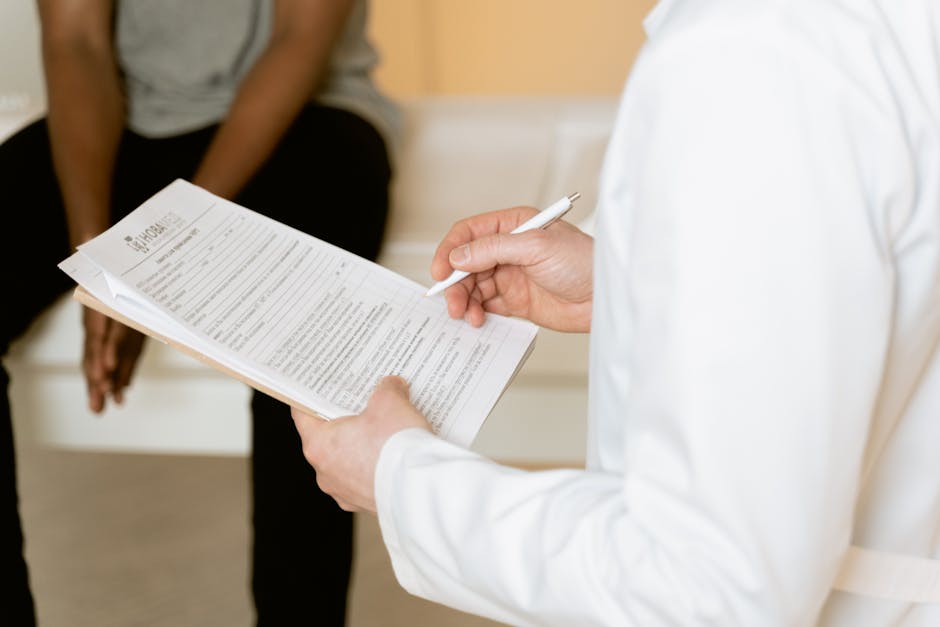
When I schedule patients for screenings at South Lake OB/GYN, I always remind them of a few simple steps to take beforehand. First, check if you need to fast before your appointment. Some tests like cholesterol screenings require 8-12 hours without food or drinks (except water), while others have no special requirements. If you’re unsure, just give our office a call – we’re happy to clarify!
It’s also helpful to write down all medications you’re taking, including prescriptions, over-the-counter medicines, vitamins, and supplements. This information helps us interpret your results accurately and avoid any potential interactions.
Before your visit, take a moment to reflect on your medical history. We’ll want to know about any health conditions you’ve had, family health patterns (especially in parents and siblings), previous screening results, and any symptoms or concerns you’ve noticed lately. This context helps us personalize your care.
Many patients worry about insurance coverage, but here’s good news: under the Affordable Care Act, many preventive health screenings are covered at no cost to you. Still, it’s worth a quick call to your insurance provider to verify specifics about your plan.
Feeling anxious about your screening? You’re not alone! Consider bringing a supportive friend to your appointment, practicing deep breathing techniques, or downloading a relaxing playlist to your phone. Our compassionate team at South Lake OB/GYN understands these concerns and will do everything possible to make you comfortable.
Day-Of Screening Tips
On screening day, comfort is key! Wear loose, comfortable clothing that’s easy to remove or adjust if needed. For mammograms, a two-piece outfit works best so you only need to remove your top. For pelvic exams, a skirt can sometimes be left on during the procedure.
Unless you’ve been told otherwise, stay well-hydrated before your appointment. Good hydration makes blood draws easier and helps with certain imaging tests. (Just remember that some screenings might require limiting fluids, so always follow your specific instructions.)
Don’t forget to bring your ID and insurance card, along with any referral forms your doctor might have given you. Arriving about 15 minutes early gives you time to complete any necessary paperwork without feeling rushed.
When you’re handed consent forms, don’t hesitate to ask questions about anything that isn’t clear. We want you to understand exactly what your screening involves and why it’s important for your health.
During the Screening
Different health screenings involve different procedures, but most are quick and involve minimal discomfort.
For blood draws, our skilled technicians clean the area (usually your inner elbow), apply a tourniquet to make your veins more visible, and insert a small needle to collect the sample. Most people feel just a brief pinch, and the whole process usually takes less than five minutes. Before you know it, you’ll be on your way with a small bandage as your only souvenir!
Imaging tests vary depending on what we’re screening for. During a mammogram, your breast is positioned between two plates that compress the tissue to get a clear image. Yes, there’s pressure, but it only lasts a few seconds for each image. Ultrasounds are typically painless – we simply apply a gel to help the wand glide smoothly over your skin while capturing images. X-rays and CT scans just require you to hold still briefly while the machine works its magic.
During physical examinations, we check vital signs like blood pressure and heart rate, listen to your heart and lungs, and may examine other areas depending on the screening. For women’s health visits, this might include a pelvic examination. Our gentle approach and clear communication help make these exams as comfortable as possible.
You might also complete some health questionnaires about your mental wellbeing, lifestyle habits, and risk factors. These help us get a more complete picture of your health beyond just physical measurements.
As our nurse practitioner often tells patients, “The few moments of minor discomfort during health screenings are nothing compared to the years of healthy living they can help you achieve.”
Aftercare & Result Timelines
After most screenings, you can jump right back into your normal routine – no downtime needed! But what about those results? Here’s what to expect:
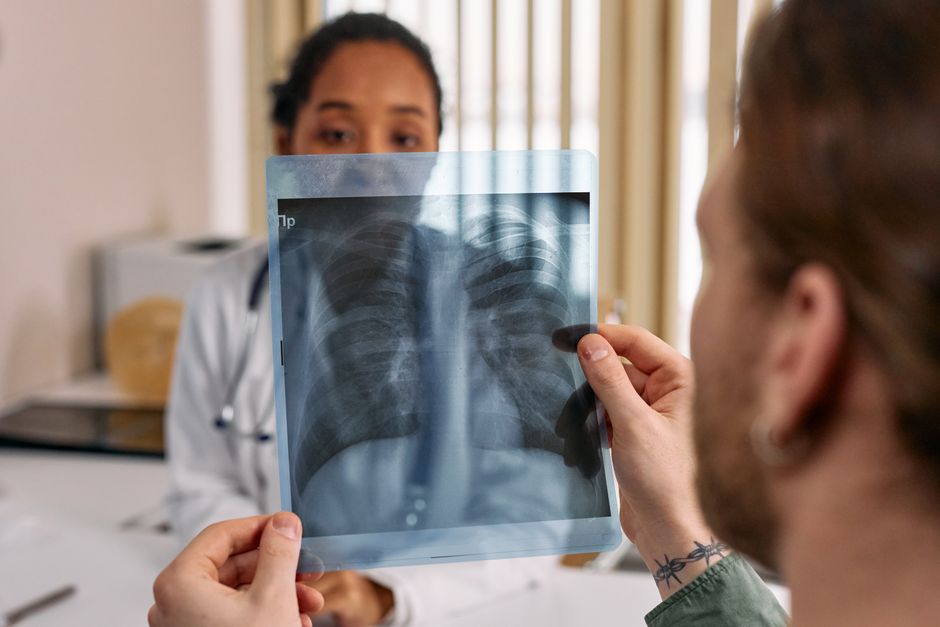
Some results, like blood pressure readings or physical exam findings, are available immediately. Blood tests typically take a few days to process, while imaging results might take up to a week. More specialized tests occasionally require additional time for thorough analysis.
At South Lake OB/GYN, we’ve made accessing your results convenient through our secure patient portal – no more waiting for mailed reports or playing phone tag! For normal results, you’ll receive a notification when they’re available to view. For anything requiring follow-up or explanation, we’ll reach out personally to discuss next steps.
While waiting for results, try to go about your normal activities without excessive worry. Jot down any questions that come to mind so you won’t forget to ask them during your follow-up. And please, resist the temptation to Google symptoms or possible diagnoses – this often leads to unnecessary anxiety!
Our team at South Lake OB/GYN is here to support you throughout the entire screening process. We understand the waiting period can sometimes feel stressful, and we’re just a phone call away if concerns arise. After all, preventive care is a partnership, and we’re committed to walking this health journey with you every step of the way.
Decoding Results, Follow-Up & Tracking
Getting your health screening results can sometimes feel like reading a foreign language. What does “within normal range” really mean? And what should you do if something comes back “abnormal”? Let’s break it down in simple terms.

When your doctor says your results are normal (sometimes called “negative” or “within range”), it’s generally good news. This means the test didn’t find evidence of the condition it was looking for. On the flip side, abnormal results (sometimes labeled “positive” or “out of range”) don’t automatically mean something is wrong—they simply suggest that further evaluation might be needed.
These results are typically compared to reference ranges based on factors like your age and sex. What’s “normal” for a 25-year-old might be different than what’s “normal” for someone in their 60s.
It’s also worth understanding that no screening test is perfect. False positives happen when a test incorrectly indicates a problem exists when it doesn’t. False negatives occur when a test misses an existing condition. This is why follow-up testing is often recommended after an abnormal result—to confirm whether there’s truly something that needs attention.
“One abnormal test result doesn’t necessarily mean you have a serious condition,” explains Dr. Casavant. “It’s often just the first step in figuring out what’s happening with your body.”
If your results come back normal, that’s wonderful! You can continue with your recommended screening schedule, maintain your healthy habits, and keep those results for future comparison. It’s helpful to track changes over time.
If something comes back abnormal, take a deep breath. Follow your doctor’s recommendations for additional testing, attend any follow-up appointments, and don’t hesitate to ask questions. At South Lake OB/GYN, we believe you deserve to fully understand what your results mean for your health and what happens next.
Learn more about our approach to preventive medicine
Building Your Personal Screening Calendar
Keeping track of all your health screenings can feel overwhelming. When was your last mammogram? Is it time for another cholesterol check? Creating your personal screening calendar can help ensure nothing falls through the cracks.

Many of our patients at South Lake OB/GYN find digital tracking works best for them. Our patient portal system sends automatic reminders, but you might also like health apps specifically designed for screening reminders or even just setting recurring alerts in your phone’s calendar app.
Others prefer good old-fashioned paper methods. A dedicated health journal, a printed checklist on your refrigerator, or appointment cards tucked into your planner can work beautifully. The best system is the one you’ll actually use.
“I always recommend scheduling your next screening before leaving your current appointment,” says Dr. Casavant. “That single habit has helped countless patients stay on track with their preventive care.”
Setting multiple reminders is another smart strategy—perhaps two weeks before and then again one week before your appointment. Keep all your screening results in one organized location, whether that’s a folder in your email, a dedicated app, or a physical file at home.
It’s also wise to review your screening schedule annually with your healthcare provider. Recommendations do change based on new research and your personal health history, so staying flexible is important.
At South Lake OB/GYN, we send reminders to our patients, but having your own tracking system provides an extra layer of protection. Your health is too important to leave to chance, and we’re here to partner with you every step of the way.
Coverage, Costs, Benefits vs Risks
Understanding the financial aspects of health screenings can help you plan appropriately and avoid unexpected costs:
Insurance coverage:
– The Affordable Care Act requires most health insurance plans to cover many preventive screenings at no cost to you
– Medicare Part B covers a wide range of preventive and screening services
– Coverage may vary for additional tests or follow-up care after an abnormal screening
Covered preventive services typically include:
– Blood pressure screening
– Cholesterol screening
– Colorectal cancer screening
– Diabetes screening
– Mammograms
– Cervical cancer screening
– Osteoporosis screening
– Depression screening
– Many immunizations
Benefits vs. risks of screenings:
Benefits:
– Early detection of disease
– Less aggressive treatment options
– Better treatment outcomes
– Peace of mind
– Establishing baseline health measurements
Potential risks:
– False positives leading to unnecessary worry and additional testing
– Overdiagnosis of conditions that might never cause symptoms
– Complications from invasive screening procedures (rare)
– Radiation exposure from certain imaging tests (minimal)
– Psychological stress while waiting for results
“When recommending health screenings, we carefully consider the balance of benefits and potential harms,” explains our team at South Lake OB/GYN. “For recommended screenings, the benefits typically far outweigh the risks, but we tailor our approach to each individual patient.”
For more information about Medicare’s preventive benefits, watch this informative video.
Maximizing Insurance & Community Resources
Even with insurance, accessing health screenings can sometimes be challenging. Here are strategies to help you maximize available resources:
Insurance optimization:
– Schedule preventive visits early in the year before deductibles apply to other services
– Verify coverage before appointments to avoid surprises
– Ask about bundling multiple screenings during one visit
– Check if your employer offers wellness incentives for completing screenings
Community resources for low-cost or free screenings:
– Federally Qualified Health Centers (FQHCs) offer sliding-scale fees
– County health departments often provide basic screenings
– Non-profit organizations frequently sponsor screening events
– Mobile screening units visit underserved areas
– Hospital systems may offer community screening days
In the Clermont, FL area, several resources are available for those needing assistance with health screenings:
– Local health department clinics
– Community health fairs (especially during health awareness months)
– Faith-based health initiatives
– Senior centers offering screenings for older adults
To find a health center near you that offers affordable screening options, use this health center finder tool.
At South Lake OB/GYN, we’re committed to helping our patients access necessary screenings regardless of financial circumstances. Our staff can help you steer insurance questions and connect you with community resources when needed.
Conclusion
Think of health screenings as your body’s regular check-ins – they’re simple yet powerful tools that can truly transform your health journey. When we catch potential issues early, we open doors to more treatment options, better outcomes, and the peace of mind that comes with staying ahead of health concerns.
As you continue your preventive health journey, remember these simple truths:
Your screening needs are as unique as you are. The tests that are right for you depend on your age, gender, family history, and personal risk factors – there’s no one-size-fits-all approach to health screenings.
Consistency matters enormously. Even when you’re feeling great, keeping up with your recommended screening schedule creates a safety net of continuous protection and establishes important baseline measurements.
A little preparation goes a long way. Following pre-screening instructions carefully – whether that means fasting before a blood test or avoiding certain medications – helps ensure your results are accurate and meaningful.
Results tell a story about your health. Understanding what your screening results actually mean empowers you to take the right next steps, whether that’s celebrating good news or addressing concerns promptly.
Staying organized saves lives. Whether you use a smartphone app or a simple paper calendar, tracking your health screenings helps ensure nothing important falls through the cracks.
Here at South Lake OB/GYN in Clermont, we believe everyone deserves access to appropriate screenings. If cost is a concern, please talk with us – between insurance coverage, community programs, and other resources, there are often options we can help you steer.
“I’ve seen how regular health screenings transform lives. Nothing compares to the relief on a patient’s face when we catch something early or the joy when we can say ‘everything looks perfect.’ These moments are why I became a doctor.” – Dr. Matthew Casavant, South Lake OB/GYN
Our team is committed to making your screening experience comfortable, informative, and even a little enjoyable (yes, really!). We take the time to explain things clearly, answer your questions thoughtfully, and create an environment where you feel genuinely cared for.
The culture of prevention we’re building together is something to be proud of. Each time you prioritize a screening appointment, you’re not just taking care of yourself – you’re setting an example for your loved ones about the importance of proactive health care.
Ready to take this important step? We’d be honored to partner with you. Contact South Lake OB/GYN today to schedule your next screening and continue building your healthiest future.