


Lower Back Pain at 4 Weeks Pregnant: What’s Normal and When to Worry
Caption: Many women experience lower back pain as early as 4 weeks pregnant due to hormonal changes
Filename: lower-back-pain-early-pregnancy-4-weeks.jpeg
Understanding Lower Back Pain in Very Early Pregnancy
Finding those two pink lines is thrilling, yet many women are surprised when back soreness shows up almost immediately. In fact, up to 3 in 4 pregnant women feel some lower-back discomfort during the first trimester—sometimes even before a missed period.
Quick Answer: Is lower-back pain normal at 4 weeks?
- Yes. Hormone surges, early ligament softening, and digestive changes make it common.
- Expect a dull, mild, on-and-off ache that feels a bit like pre-period back cramps.
- Call your provider right away if pain is severe, if you have bleeding, fever, or if rest offers no relief.
Your uterus is still only the size of a small pear, but hormones such as relaxin and progesterone have already started loosening ligaments all over your body. While that flexibility is essential for pregnancy, it also means the muscles supporting your spine have to work harder—hence the ache.
After two decades of caring for moms-to-be here in Clermont, I remind patients that early back pain is usually a sign that your body is doing exactly what it should. The sections below explain why it happens, how it feels, and—most importantly—safe ways to ease it.
Is Lower Back Pain Normal at 4 Weeks Pregnant?
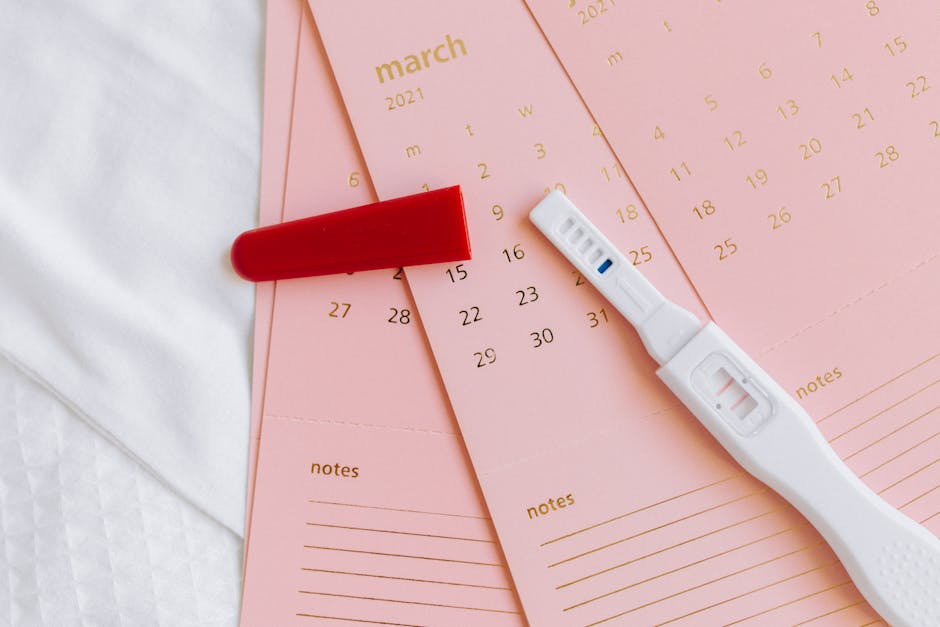
If you’re wondering whether that nagging ache in your lower back is normal at just 4 weeks pregnant, you can breathe a sigh of relief. Lower back pain early pregnancy 4 weeks is not only normal – it’s incredibly common. You’re definitely not alone in experiencing this discomfort so early in your pregnancy journey.
The reality is that your body starts its amazing change almost immediately after conception. While your baby is still microscopic and your belly hasn’t changed at all, powerful hormonal shifts are already happening behind the scenes. These changes can absolutely cause physical symptoms, including that persistent lower back ache you’re feeling.
How Common Is Lower Back Pain in Early Pregnancy?
Here’s something that might surprise you: between 50-75% of pregnant women experience back pain at some point during their pregnancy, and many notice it starting as early as the first trimester. That means if you’re dealing with back pain at 4 weeks, you’re in very good company.
What’s fascinating is how quickly your body begins adapting to pregnancy. The moment you conceive, hormones like relaxin and progesterone start circulating through your system. These hormones have an important job – they’re already beginning to soften your ligaments and prepare your pelvis for the months ahead. But this early preparation can leave you feeling a bit achy and uncomfortable.
In our Clermont office, we regularly see patients who are amazed by how early these symptoms can start. “I just found out I’m pregnant – how can my back already hurt?” is something we hear often. The truth is, your body doesn’t wait for your belly to grow before it starts making room for your growing baby.
The hormonal changes happening right now are essential for a healthy pregnancy, but they can definitely make you feel like your body is working overtime. For more detailed information about these early pregnancy changes, you can read more about Scientific research on pregnancy back pain.
Can Lower Back Pain Be an Early Pregnancy Symptom?
Lower back pain early pregnancy 4 weeks can absolutely be one of your first pregnancy symptoms, though it’s usually not the very first sign most women notice. More commonly, you might first experience a missed period, tender breasts, or that familiar queasy feeling. But for some women, back pain does show up surprisingly early in the game.
The tricky part is that lower back pain has many possible causes. Maybe you slept funny, sat at your desk too long, or you’re just feeling stressed. Even your regular monthly cycle can cause similar discomfort. This is why back pain alone isn’t a reliable pregnancy test – it’s more like a piece of the puzzle.
If you’re experiencing lower back pain along with other early pregnancy signs, it might be time to take a pregnancy test. Home tests are pretty amazing these days and can detect pregnancy hormones as early as the first day of your missed period. Some extra-sensitive tests can even pick up pregnancy a few days before your expected period.
The key is paying attention to your body and noticing patterns. Is this back pain different from what you normally experience? Are you feeling other symptoms too? Trust your instincts – you know your body better than anyone.
For a complete rundown of what to watch for in early pregnancy, check out our guide on Early Pregnancy Symptoms. It covers everything from the obvious signs to the more subtle ones that might catch you off guard.
What Causes Lower Back Pain at 4 Weeks Pregnant?

1. Hormones Loosen Your Ligaments
- Relaxin makes pelvic and spinal ligaments stretchier so your body can eventually deliver a baby.
- Progesterone relaxes smooth muscle, adding to the “loose” feeling in joints.
Looser ligaments mean the small muscles that stabilise your spine must pick up the slack—an effort you feel as a nagging ache.
2. Digestive Slow-Down
Progesterone also slows digestion, which can lead to bloating and constipation. A distended bowel presses forward and down, irritating the same nerves that serve the lower back.
3. Early Postural Changes and Fatigue
Even with no visible bump, your brain is already adjusting the way you stand and walk. Pair that with first-trimester exhaustion and stress and you have the perfect recipe for muscle tension.
4. When to Treat Pain as a Warning Sign
Call us or head to the ER if you notice:
- Sharp, one-sided pain with spotting (possible ectopic pregnancy)
- Severe cramps plus heavy bleeding (possible miscarriage)
- Back pain with fever, chills, or burning urination (possible infection)
Most aches are harmless, but swift care for the symptoms above protects both you and your baby.
How Does Lower-Back Pain Feel at 4 Weeks?

Most patients say it feels like:
- A dull, steady ache low in the back or hips
- Twinges after standing a while or bending forward
- Soreness that’s worst in the evening and easiest first thing in the morning
These normal sensations come and go and usually ease with a change of position or a warm compress.
Red-Flag Symptoms
Get in touch immediately if you experience:
- Pain so intense it disrupts sleep or daily tasks
- Back pain plus bleeding, fever, or dizziness
- Numbness, tingling, or pain shooting down one leg
A quick call can rule out serious issues and give you peace of mind.
Safe Relief: Home Remedies, Exercises, and Self-Care

Everyday Comfort Tips
- Rest smart, not nonstop. Short breaks with feet up relax muscles without making them stiff.
- Support while you sleep. Side-sleep with a pillow between knees and another tucked under your belly.
- Check your posture. Keep both feet flat on the floor, shoulders relaxed, and use a rolled towel for lumbar support when sitting.
- Choose shoes with cushioning and arch support. Skip the high heels for now.
Gentle Movement
- Walking boosts circulation and eases constipation.
- Pelvic tilts (standing against a wall or on hands and knees) strengthen core support muscles.
- Cat–cow stretch relieves spinal tension. Move slowly and stop if anything pinches.
Always clear new exercises with your OB/GYN first.
Heat, Cold, and Medication
- Warm (not hot) compresses for 10–15 minutes loosen tight muscles.
- Cold packs reduce inflammation after activity.
- Acetaminophen (Tylenol) is generally safe if we confirm the dose—avoid NSAIDs like ibuprofen unless specifically prescribed.
Complementary Therapies
Prenatal massage, chiropractic, or acupuncture can help when performed by practitioners experienced with early pregnancy. Tell them exactly how far along you are and stop if any technique feels uncomfortable.
When to Call South Lake OB/GYN
- Home remedies haven’t helped after a few days
- Pain is getting worse
- You’re simply uneasy about what you’re feeling
We’d rather you call than worry—open communication is a cornerstone of our Clermont practice.
Frequently Asked Questions about Lower Back Pain Early Pregnancy 4 Weeks
Is lower back pain at 4 weeks pregnant a sign of miscarriage?
This question keeps many expectant mothers awake at night, and it’s completely understandable. When you’re experiencing lower back pain early pregnancy 4 weeks, it’s natural to worry about whether something might be wrong with your pregnancy.
The reassuring truth is that lower back pain alone is rarely a sign of miscarriage. In fact, it’s one of the most common early pregnancy symptoms, affecting up to 75% of pregnant women. Your body is working incredibly hard during these early weeks, with hormones like relaxin already softening your ligaments and progesterone affecting your entire system.
Lower back pain is typically normal when it feels like a dull ache that comes and goes, similar to pre-menstrual cramping. It often improves when you rest, change positions, or use gentle heat therapy. Many women describe it as feeling like they “overdid it” at the gym, even when they haven’t been particularly active.
However, you should contact our office immediately if your back pain is severe and constant, especially if it’s accompanied by heavy bleeding, intense cramping, or dizziness. These symptoms together could indicate a more serious concern that needs prompt medical attention.
It’s worth noting that some mild cramping and back discomfort can actually be signs of normal implantation, which happens around 6-12 days after conception. Your body is going through remarkable changes, and some discomfort is part of that process.
When in doubt, trust your instincts. We’d much rather have you call and receive reassurance than worry unnecessarily at home.
Can I take painkillers for lower back pain at 4 weeks pregnant?
Navigating medication safety during pregnancy can feel overwhelming, especially when you’re dealing with uncomfortable lower back pain early pregnancy 4 weeks. The key is understanding which options are safe and always checking with your healthcare provider first.
Acetaminophen (Tylenol) is generally considered safe during pregnancy when used as directed and with your doctor’s approval. Many of our patients find it helpful for managing mild to moderate back pain, and it’s been extensively studied for use during pregnancy.
The medications to avoid include ibuprofen (Advil, Motrin), naproxen (Aleve), and aspirin, unless specifically prescribed by your doctor. These NSAIDs can potentially affect fetal development and are best avoided throughout pregnancy, not just in later trimesters.
Before reaching for any medication, even acetaminophen, give us a call. We can discuss the severity of your pain, suggest the appropriate dosing if medication is recommended, and explore non-medication alternatives that might work just as well.
Many women find that gentle heat therapy, rest, and position changes provide significant relief without any medication at all. Sometimes the simplest solutions are the most effective, and they’re always the safest option for both you and your developing baby.
For more information about pregnancy-safe medications, you can reference Scientific research on pregnancy-safe medications.
Are supportive therapies like gentle massage safe in the first trimester?
Many expectant mothers wonder about complementary therapies for managing their discomfort, and it’s a great question. The good news is that several supportive therapies can be safe and beneficial during the first trimester, but they do require special considerations.
Prenatal massage can be wonderfully helpful when performed by a therapist specifically trained in pregnancy massage techniques. The key is finding someone who understands the unique needs of pregnant women and knows which techniques to avoid. Always inform your massage therapist that you’re pregnant and how far along you are, even if it’s very early.
Chiropractic care may also provide relief for some women, particularly if your chiropractor has experience working with pregnant patients. They should use pregnancy-safe techniques and equipment designed for expectant mothers. Some women find that gentle chiropractic adjustments help with the ligament loosening and postural changes that contribute to back pain.
Other supportive therapies worth discussing with your provider include acupuncture, which some research suggests may help with pregnancy-related back pain, and gentle prenatal yoga with appropriate modifications.
The most important rule with any supportive therapy is to always consult with your OB/GYN first. We can help you determine which therapies might be appropriate for your specific situation and ensure they won’t interfere with your pregnancy care.
Remember to inform all practitioners about your pregnancy status, even in these very early weeks. Trust your instincts during any treatment – if something doesn’t feel right or causes discomfort, don’t hesitate to stop and discuss it with us.
At South Lake OB/GYN, we believe in a comprehensive approach to pregnancy care that includes safe, effective complementary therapies when appropriate. We’re always happy to discuss what options might work best for your individual needs.
Conclusion

Lower-back pain at 4 weeks is usually a normal—even healthy—sign that hormones are doing their job. Most discomfort responds to simple steps like mindful posture, gentle movement, and occasional acetaminophen.
Remember the red flags: severe pain, bleeding, fever, or pain that refuses to ease. In those cases, call us right away. Otherwise, trust that your body is crafting the perfect home for your baby, and we’re here in Clermont to guide you every step of the way.
For personalised prenatal care or questions about your symptoms, visit South Lake OB/GYN online or give us a call—we’re always happy to help.