


What Does Inner Thigh Pain Mean in Pregnancy? Causes & Relief
Inner thigh pain is a common but manageable discomfort for many expectant mothers.
Many expectant mothers ask, what does inner thigh pain mean in pregnancy, especially in the second and third trimesters. The good news is that you’re not alone in this discomfort.
Quick Answer: Inner thigh pain in pregnancy typically means:
- Symphysis Pubis Dysfunction (SPD) – joint instability from hormone relaxin
- Round ligament pain – sharp pulls as your uterus grows
- Muscle strain – from weight gain and posture changes
- Normal pregnancy changes – affecting up to 80% of expectant mothers
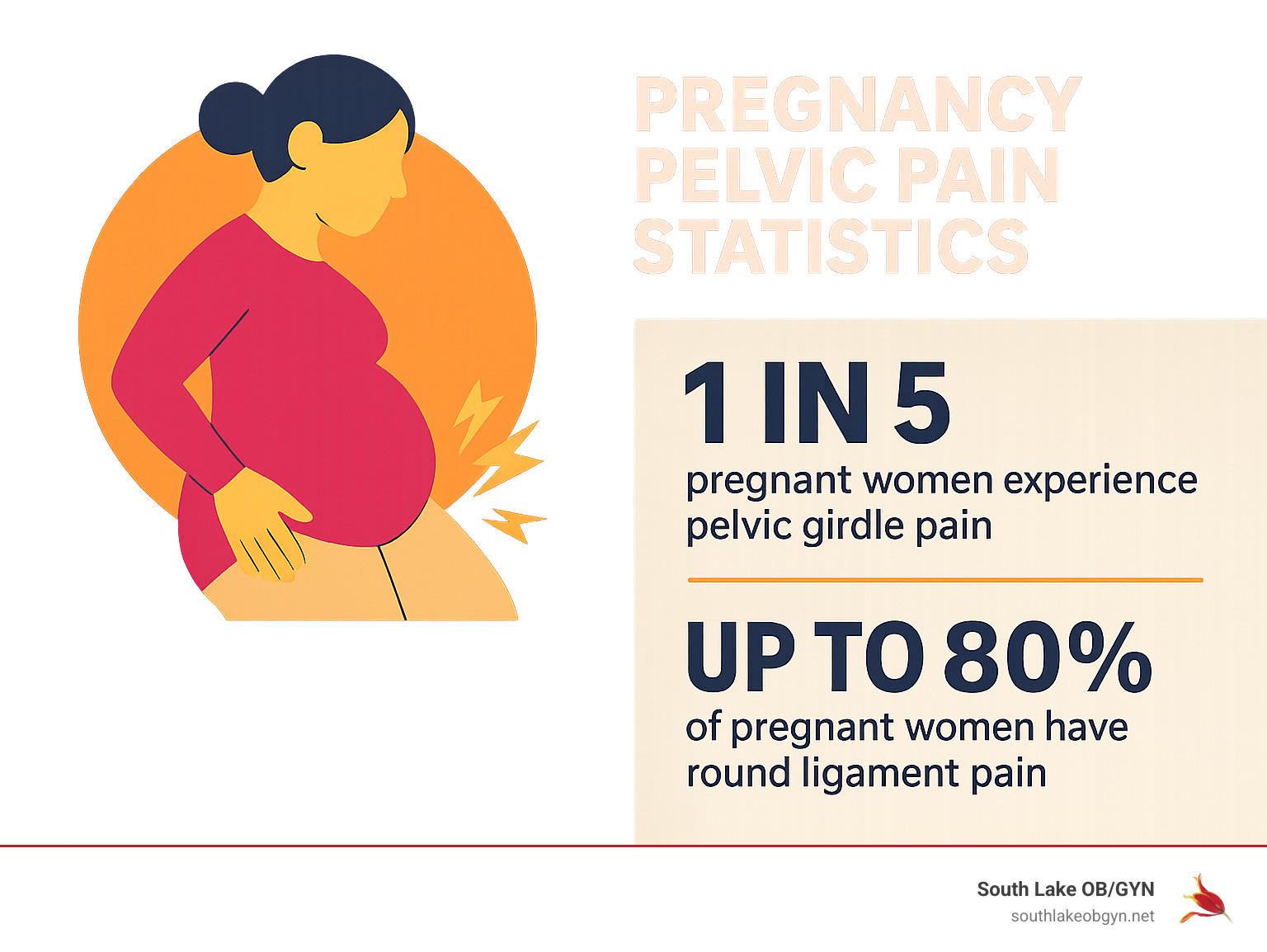
Research shows that Pelvic Girdle Pain (PGP), which includes inner thigh discomfort, affects up to 1 in 5 pregnant women. Round ligament pain, another common cause, affects up to 80% of expectant mothers.
This pain often stems from your body’s preparation for childbirth. Hormones like relaxin loosen ligaments, your baby shifts your center of gravity, and your pelvis widens for delivery.
While this discomfort can be concerning, it’s rarely dangerous to you or your baby. Most women with inner thigh and groin pain go on to have perfectly normal deliveries.
I’m Dr. Matthew Casavant of South Lake OB/GYN. With over 20+ years in women’s healthcare, I’ve seen that understanding the “why” behind your pain is the first step toward finding meaningful relief.
What Does Inner Thigh Pain Mean in Pregnancy? Common Causes Explained
If you’re wondering what does inner thigh pain mean in pregnancy, know that it’s a common experience. Your body is undergoing incredible changes, and these sometimes come with uncomfortable side effects.
The main culprit is hormonal changes. Pregnancy hormones prepare you for childbirth but can also cause aches. Relaxin, a key pregnancy hormone, relaxes your uterine muscles and cervix. However, it also loosens ligaments throughout your body, especially in the pelvis.
This loosening is essential for delivery but creates pelvic instability. More mobile joints can lead to the inner thigh and groin pain you’re feeling.
Your growing uterus also contributes. As your baby grows, your center of gravity shifts forward. This posture shift and increased weight put extra pressure on your back, pelvis, and inner thigh muscles.
All of these factors work together to answer the question of what does inner thigh pain mean in pregnancy – it usually means your body is doing exactly what it’s supposed to do, even if it doesn’t feel particularly comfortable right now.

Symphysis Pubis Dysfunction (SPD): A Primary Reason for what does inner thigh pain mean in pregnancy
A primary answer to what does inner thigh pain mean in pregnancy is Symphysis Pubis Dysfunction (SPD). This condition affects the symphysis pubis, the joint connecting the two halves of your pelvis at the front.
Normally, this joint is very stable. During pregnancy, relaxin allows it to widen. In some women, the ligament loosening is excessive, causing the joint to move unevenly or widen too much. The result is pain over the pubic bone, which can be a dull ache or a sharp, stabbing, or burning sensation.
Many women also hear clicking or grinding sounds when they move. The pain often radiates to the inner thighs, groin, and lower back, and can feel like the pelvis is splitting apart, especially when rolling over in bed or getting up from a chair.
Worsening activities for SPD include climbing stairs, getting in/out of a car, standing on one leg, turning in bed, and taking large steps. Any activity that puts uneven pressure on the pelvis can trigger pain.
The good news? SPD affects about 31% of pregnant women, so you’re definitely not alone. For most women, SPD resolves on its own after delivery. You can find more detailed scientific research on SPD management and additional information about Groin Pain in Pregnancy.
Round Ligament Pain: Another Answer to what does inner thigh pain mean in pregnancy
Round ligament pain is another common cause of inner thigh discomfort, affecting up to 80% of pregnant women.
Your round ligaments act like support cables, connecting the front of your uterus to your groin. As the uterus expands, these ligaments stretch and thin out.
The pain is typically a sharp, sudden pain lasting only seconds to minutes. It’s often triggered by quick movements like standing up, rolling over, sneezing, or coughing. The pain is usually on one side of the groin or lower abdomen and can radiate to the inner thigh.
Unlike the more persistent pain of SPD, round ligament pain is brief but can be startling and feel like a sharp pull. The location of pain can help you distinguish between these two common causes.
| Feature | Symphysis Pubis Dysfunction (SPD) | Round Ligament Pain |
|---|---|---|
| Type of Pain | Dull ache, sharp, stabbing, burning, grinding, clicking, popping | Sharp, sudden, pulling, or knife-like sensation |
| Location | Over the pubic bone, radiating to inner thighs, groin, perineum, lower back | Usually one side of the groin/lower abdomen, radiating to inner thigh/hip |
| Triggers | Uneven weight-bearing (standing on one leg), wide leg movements, turning in bed, climbing stairs | Sudden movements (standing up quickly, sneezing, coughing, rolling over) |
| Duration | Persistent, often worse with specific movements, can last for hours/days | Brief, usually seconds to minutes |
Other Contributing Factors to Inner Thigh and Groin Pain
Beyond SPD and round ligament pain, other factors can contribute to inner thigh pain.
- Muscle strain in the inner thigh (adductor) muscles is common. Added weight and posture changes can overwork these muscles, causing soreness.
- Nerve compression, like sciatica, can also cause pain. The growing uterus can press on nerves, causing pain, tingling, or numbness that may radiate to the inner thigh.
- Pre-existing hip issues can be aggravated by pregnancy’s weight gain and ligament laxity, causing referred pain to the groin and inner thigh.
- Varicose veins can develop in the vulva and inner thigh area, causing aching and heaviness due to increased blood volume and pressure. We have helpful information about Varicose Veins in Pregnancy: How You Can Prevent Them.
- Less common causes include hernias or infections, which is why discuss symptoms with your provider.
For more information about general pregnancy discomfort, you might find our article on Back Discomfort During Pregnancy helpful as well.
Finding Relief: How to Manage and Soothe Inner Thigh Pain
When dealing with inner thigh pain during pregnancy, you don’t have to just “bear it.” Practical strategies and simple adjustments can bring significant relief. The key to managing this pain is giving your body extra support as it prepares for your baby’s arrival.
Activity modification, at-home care, and professional guidance can make a huge difference. Small changes in movement can provide immediate relief.

Simple Lifestyle Adjustments and Home Remedies
The most effective relief often comes from small daily adjustments that keep your pelvis stable and avoid uneven stress.
- Keeping your knees together is a golden rule, especially for SPD. When getting out of bed, rolling over, or getting in a car, move your whole body as one unit to avoid twisting your pelvis.
- Sitting down to get dressed avoids balancing on one leg, which strains your pelvic joints. Sit on a chair or the edge of your bed instead.
- Taking smaller steps when walking reduces the pull on your muscles and ligaments.
- Pillow support is essential for rest. Place a pillow between your knees when sleeping on your side to align your hips, and use others for back and belly support.
- Ice packs applied for 15-20 minutes can relieve acute pain, while warm baths can relax tense muscles. Be careful with water temperature.
- Find strategic rest positions during the day, like lying on your side with pillows, to give your pelvis a break.
- Most importantly, avoid activities that worsen your pain, such as heavy lifting or prolonged standing. Listen to your body’s signals.
Managing chronic discomfort can be emotionally draining. For more guidance, check out our Tips for Practicing Self-Care During Pregnancy.
Supportive Exercises and Devices
While rest is important, gentle, targeted exercises can reduce pain by strengthening the muscles that support your pelvis and build stability.
- Pelvic tilts are gentle and effective. Lie on your back with knees bent, and flatten your lower back against the floor by tilting your pelvis upward. This strengthens your core and helps realign your pelvis.
- Hip bridges strengthen your glutes and hip muscles. Lie on your back with knees bent and lift your hips to form a straight line from your shoulders to your knees.
- Kegel exercises strengthen your pelvic floor muscles, which act as a supportive hammock for your pelvic organs and help stabilize the pelvic girdle.
- Water-based exercise can feel like magic. The water’s buoyancy takes pressure off your joints, allowing for pain-free movement and strengthening.
- Pelvic support belts provide external compression and stability. A properly fitted belt can offer immediate relief, and we can help you determine if one is right for you.
- Compression garments like shorts or specialized maternity wear offer gentler support and can make daily activities more comfortable.
For specialized guidance, consider consulting a physiotherapist. The Pelvic Obstetric and Gynaecological Physiotherapy (POGP) website has more advice about pelvic and low back pain during pregnancy. If round ligament pain is your primary concern, our guide on How to Relieve Round Ligament Pain offers targeted strategies.
When to Talk to Your Doctor About Pelvic Pain
While most inner thigh pain is manageable at home, knowing when to seek medical attention is crucial. At South Lake OB/GYN, we encourage open communication and would rather you call us than worry at home!
Many women hesitate to mention their pain, but you don’t have to suffer in silence. A proper diagnosis is key to finding relief and ensuring you and your baby stay healthy.
While home remedies are helpful, they work best after a proper diagnosis. We can help you understand what does inner thigh pain mean in pregnancy for your specific situation.

How Inner Thigh Pain is Diagnosed
When you come to us with inner thigh pain, our diagnostic process starts with listening to you to understand your discomfort.
During your clinical assessment, we’ll discuss your pain in detail: when it started, what makes it better or worse, its exact location, and what it feels like (sharp, dull, burning). It helps to come prepared with a “pain story”: notes on its location, triggers, and severity. These details provide valuable clues.
Next is a gentle physical examination. We’ll check for tenderness and evaluate your range of motion. We may use specific tests, like the Active Straight-Leg Raise test, to assess pelvic joint stability.
Usually, your patient history and our exam are enough to make an accurate diagnosis without extensive testing. In some cases, an ultrasound may be needed to rule out other conditions. It’s safe for you and your baby, with no radiation exposure.
Our goal is to give you answers and peace of mind. If you’re new to our practice, knowing what to expect at your First OBGYN Pregnancy Appointment can help ease any nerves about your visit.
Red Flags: When to Seek Medical Attention Immediately
While most inner thigh pain is normal, certain warning signs require immediate attention. Severe pain is never “just part of pregnancy.”
- Severe or constant pain that doesn’t improve with rest is a red flag. Call us if the pain is intense enough to disrupt sleep or daily activities.
- Fever or chills, or vaginal bleeding or unusual discharge accompanying the pain.
- Difficulty walking or bearing weight, or new or worsening numbness or tingling in your leg or foot.
- Sudden swelling in one leg, especially with pain, warmth, or redness, is a major concern as it could be a blood clot (DVT). Pregnancy increases this risk, so we take it very seriously.
- Painful contractions before 37 weeks, or chest pain or shortness of breath.
We’re always here for you. If you’re ever unsure, err on the side of caution and reach out. For more information about abdominal pain, which can sometimes be related to pelvic discomfort, see our article on Abd Pain in Pregnancy.
Frequently Asked Questions About Pregnancy, Labor, and Inner Thigh Pain
It’s natural to wonder how inner thigh pain might affect labor, delivery, and future pregnancies. Here are answers to the most common questions we hear at South Lake OB/GYN.
How does inner thigh and groin pain affect labor and delivery?
The reassuring news is that most women with inner thigh and groin pain, including SPD, can have a normal vaginal delivery. The pain doesn’t harm your baby and usually won’t prevent your desired birth experience.
However, your comfort is important, so planning for your pelvic pain is a key part of preparing for labor and delivery.
- Communication is key. Discuss your pain with your entire birth team well before your due date and include it in your birth plan so everyone understands your needs.
- Certain labor positions are game-changers. Side-lying, all-fours, or using a birthing ball can take pressure off your pelvis. We’ll help you avoid positions that put uneven stress on your joints.
- Water birth can provide incredible relief for SPD, as the water’s buoyancy lifts weight off your joints, making movement easier.
- An epidural can also be beneficial. If your pelvic pain is severe, it can provide the relief needed to focus on delivery.
- During delivery, your care team will help with controlled leg movements to ensure a comfortable and supported birth experience.
You can find more comprehensive information about pelvic girdle pain and pregnancy on the Royal College of Obstetricians and Gynaecologists (RCOG) website.
Will the pain go away after I give birth?
For most women, the answer is yes! Symptoms typically improve dramatically within weeks of delivery as your body begins to heal. As pregnancy hormones return to normal levels, your pelvic ligaments stabilize and the pain fades. Most women see major improvement by 6-12 weeks postpartum.
However, about 10% of women with SPD may have ongoing discomfort, especially if the pain was severe during pregnancy or they’ve had multiple pregnancies or prior injuries.
If pain lingers, don’t suffer in silence. Postpartum physical therapy with a women’s health specialist can be very effective for strengthening your core and pelvic floor to help you regain comfort.
Can I prevent this pain in a future pregnancy?
While you can’t guarantee prevention, proactive strategies can dramatically reduce symptoms in future pregnancies. Many women have a much more comfortable experience the next time by taking these steps.
- Pre-conception strengthening makes a huge difference. Before you conceive again, work with a physical therapist to strengthen your core, pelvic floor, and hip muscles to build a strong foundation.
- Early intervention is a game-changer. If you had pain before, consider using a pelvic support belt from the first trimester of your next pregnancy, even before symptoms start.
- Implement proper body mechanics from day one. Using the daily movement tweaks discussed earlier can prevent pain from escalating.
- Preventive physical therapy in the first trimester can help maintain pelvic stability and muscle strength to stay ahead of potential problems.
- Maintaining healthy weight gain reduces strain on your joints. We can work with you to ensure a healthy weight gain pattern.
- Stress reduction is also important, as stress can increase muscle tension and pain perception. Practices like meditation or gentle yoga can be beneficial.
Being proactive can make a significant difference. We’re here to support you through every pregnancy journey. For more comprehensive advice, you can also refer to our general Tips for a Healthy Pregnancy.
Your Partner in a Comfortable Pregnancy Journey
As we conclude our look at what does inner thigh pain mean in pregnancy, I hope you feel more informed and less alone. Your body is doing something extraordinary, and some aches and pains are a normal part of that process.
The key takeaways are reassuring: this pain is common, rarely dangerous, and manageable. Whether it’s SPD, round ligament pain, or muscle strain, there are proven strategies to find relief.
You have control. Simple adjustments, gentle exercises, and supportive devices like pelvic belts can make a remarkable difference. When home remedies aren’t enough, physical therapy can provide extra help.
Knowledge is empowering. Understanding the cause of your pain transforms worry into confidence. You now know when to use home care and when to seek professional support.
At South Lake OB/GYN in Clermont, we believe in open communication and personalized care. Our team understands that every pregnancy is unique, and we’re not just your healthcare providers – we’re your partners in this journey.
Your comfort matters. Whether you need reassurance, a diagnosis, or a pain management plan, we’re here for you. Pregnancy should be a time of joy, not worry.
Please don’t hesitate to reach out to us with any level of discomfort. A simple conversation can provide peace of mind, and we can offer interventions to improve your comfort.
Learn more about our comprehensive OBGYN services for pregnancy and find how our family-like atmosphere and commitment to personalized care can support you through every step of your pregnancy journey. After all, bringing new life into the world is one of life’s greatest trips – and you shouldn’t have to steer it alone.