


Understanding Uterine Rupture Risk: A Guide for Expectant Mothers
Understanding uterine rupture risk is crucial for making informed pregnancy decisions
Uterine rupture risk affects thousands of women each year, yet many don’t fully understand what it means for their pregnancy. This rare but serious complication occurs when the uterine wall tears during pregnancy or labor, creating a medical emergency that requires immediate attention.
Key Risk Factors for Uterine Rupture:
- Previous cesarean delivery – Increases risk 15-30 times compared to scheduled repeat C-section
- Labor induction with prostaglandins – Risk of 24.5 per 1,000 deliveries vs. 1.6 per 1,000 with repeat cesarean
- Multiple prior C-sections – Risk increases from 0.6% with one scar to 1.8% with two or more scars
- Previous uterine surgery (myomectomy, fibroid removal)
- Short time between pregnancies – Less than 18 months increases risk significantly
- Labor augmentation with oxytocin – Quadruples the risk in women with prior cesarean
While uterine rupture happens in less than 1% of women attempting vaginal birth after cesarean (VBAC), understanding your personal risk factors helps you make informed decisions about your delivery options.
The fear of uterine rupture often influences birth choices, but knowledge empowers better decision-making. As one medical review noted: “Perhaps the biggest fear we have in our community and the reason we all are often talked into having another Cesarean by OBs and midwives during VBAC or HBAC preparation is uterine rupture.”
I’m Dr. Matthew Casavant, and in my 20+ years of practice at South Lake OB/GYN, I’ve helped countless women steer uterine rupture risk through personalized care and open communication. My extensive training in advanced minimally invasive surgery gives me unique insight into helping patients understand their individual risk factors and make confident decisions about their birthing options.
Easy uterine rupture risk glossary:
What is a Uterine Rupture?
Imagine the uterus as a strong, stretchy balloon that grows with your baby throughout pregnancy. Uterine rupture happens when this muscular wall develops a tear, creating a serious medical emergency that requires immediate attention.
This complication is thankfully rare, occurring in about 1 in 1,416 pregnancies overall. However, understanding what it means helps you make informed decisions about your birth plan, especially if you’re considering a vaginal birth after cesarean (VBAC).
Complete rupture represents the most serious type of tear. Think of it like a balloon that bursts completely – the tear goes through all three layers of your uterine wall. This creates an opening where your baby, placenta, or other contents can move into your abdominal cavity, potentially causing dangerous internal bleeding.
Incomplete rupture, also called uterine dehiscence, is like a small split in that same balloon where only the inner layers separate. The outer protective layer stays intact, which means it’s generally less dangerous than a complete rupture. You might not experience significant bleeding or immediate signs of fetal distress.
The key difference matters enormously for uterine rupture risk assessment. While both situations require careful monitoring and often emergency intervention, incomplete ruptures typically have better outcomes for both mom and baby.
Most uterine ruptures happen during labor, though they can occasionally occur during late pregnancy. The risk increases significantly if you’ve had previous uterine surgery, particularly a cesarean delivery. For women attempting TOLAC, the risk remains less than 1%, but it’s still important to discuss your individual circumstances with your healthcare provider.
Understanding these distinctions helps you have meaningful conversations with your OB/GYN about your delivery options and what signs to watch for during labor.
Understanding Your Personal Uterine Rupture Risk
Every pregnancy is unique, and understanding your personal uterine rupture risk helps you make confident decisions about your delivery. At South Lake OB/GYN, we believe knowledge is power – and when you understand your individual risk factors, you can work with us to create the safest birth plan for you and your baby.
The truth is, most women have a very low risk of uterine rupture. But certain factors can increase this risk, and it’s important to discuss these openly with your care team.
Your previous uterine surgery is the biggest factor we consider. If you’ve had a cesarean delivery before, the scar tissue isn’t quite as strong as your original uterine muscle. Think of it like mending a favorite sweater – the repair is good, but it might be the first place to give way under stress.
This is why a Trial of Labor After Cesarean (TOLAC) – also called VBAC – carries a slightly higher uterine rupture risk than scheduling another C-section. But “higher risk” doesn’t mean “high risk.” For women with one previous cesarean, uterine rupture happens in about 1 in 300 deliveries during TOLAC.
Other uterine surgeries also matter. If you’ve had a myomectomy to remove fibroids or surgery to correct a congenital uterine abnormality, these can also affect your risk. Even how labor starts – whether it begins naturally or needs to be induced – plays a role in your overall risk picture.
The numbers might seem scary at first, but let’s put them in perspective. For women who’ve had one cesarean delivery, uterine rupture occurs in about 0.6% of TOLAC attempts. For those with multiple previous C-sections, the risk increases to about 1.8%. While these percentages are higher than for women without uterine scars, they’re still quite low overall.
We always encourage you to share your complete medical history with us. Every detail – from the type of incision used in previous surgeries to how much time has passed since your last delivery – helps us give you the most accurate assessment of your personal uterine rupture risk. The ACOG guidelines on VBAC provide the evidence-based framework we use to help guide these important conversations.
Key Factors That Increase Uterine Rupture Risk
When we sit down to discuss your uterine rupture risk, we look at several important factors that can influence your safety during labor and delivery.

An illustration showing the difference between a low-transverse C-section incision and a classical (vertical) C-section incision.
Your previous C-section history tells us a lot about your current risk. But it’s not just that you’ve had one – the type of incision used makes a huge difference in your uterine rupture risk.
Most C-sections today use a low transverse incision – a horizontal cut across the lower, thinner part of your uterus. This type of incision has the lowest rupture risk at about 0.5%, or 5 out of every 1,000 women who attempt TOLAC. The lower part of the uterus doesn’t contract as strongly during labor, which puts less stress on the scar.
If you had a classical or vertical incision – which runs up and down through the upper, muscular part of the uterus – your risk is significantly higher at about 11.5%. These incisions were more common years ago and are rarely used today except in emergency situations. The upper uterus contracts powerfully during labor, putting much more stress on a vertical scar.
Multiple previous C-sections also increase your uterine rupture risk. Each additional surgery creates more scar tissue and potentially weakens the uterine wall further. While one previous C-section carries about a 0.6% rupture risk, having two or more increases this to about 1.8%.
Other uterine surgeries beyond C-sections can also affect your risk. Myomectomy – surgery to remove fibroids – can increase your uterine rupture risk, especially if the surgeon had to cut deep into the uterine wall or if the incision entered the uterine cavity. Laparoscopic myomectomies have been associated with higher rupture risks in some studies. We typically recommend waiting at least 12-18 months between a myomectomy and attempting pregnancy to allow proper healing.
Congenital uterine abnormalities – structural differences you were born with – can also predispose your uterus to rupture, even without previous surgery. These might include conditions like a bicornuate uterus or other developmental variations.
An overdistended uterus puts extra stress on the uterine wall, increasing rupture risk. This can happen with multiple pregnancies (twins, triplets, or more), polyhydramnios (too much amniotic fluid), or carrying a very large baby. Think of it like stretching a balloon – the more you stretch it, the more likely it is to pop.
Short time between pregnancies is another important factor. If less than 18 months have passed since your last delivery (especially a C-section), your uterine rupture risk increases significantly. Your uterine scar needs time to heal completely and regain strength – rushing into another pregnancy doesn’t give your body enough recovery time.
How Labor Induction Affects Uterine Rupture Risk
The way your labor starts can significantly impact your uterine rupture risk, especially if you have a uterine scar from previous surgery.
Spontaneous labor – when contractions start naturally on their own – carries the lowest uterine rupture risk for women with previous C-sections. Your body knows how to pace itself, and contractions typically build gradually, putting less sudden stress on your uterine scar.
Labor induction generally increases your uterine rupture risk because the medications used to start contractions can make them stronger and more frequent than they would be naturally. It’s like the difference between gradually increasing the volume on your radio versus suddenly cranking it to maximum.
Prostaglandins like misoprostol (Cytotec) carry the highest uterine rupture risk for women with scarred uteruses – as high as 24.5 per 1,000 deliveries. These medications are very effective at starting strong contractions, but that power comes with increased risk. In fact, ACOG specifically recommends against using misoprostol for labor induction in women with previous uterine surgery, except in cases of fetal death.
Oxytocin (Pitocin) is generally safer than prostaglandins for women with uterine scars, but it still increases rupture risk compared to spontaneous labor. The key is using it carefully – starting with low doses and increasing gradually rather than rushing the process. When used for augmentation (speeding up labor that has already started), oxytocin carries about a 1.4% rupture risk compared to 0.34% for completely spontaneous labor.
Mechanical methods like a Foley catheter, which physically opens the cervix, generally carry lower uterine rupture risk than medications. These methods work more gently and don’t directly affect the strength of your contractions.
If labor induction is being considered for your delivery, we encourage you to have an open conversation with your care team. Ask about your personal uterine rupture risk given your specific medical history, whether there are safer induction methods for your situation, and what the benefits and risks are of inducing versus waiting for spontaneous labor. Understanding how your labor will be monitored and having a clear plan if things don’t progress as expected will help you feel more confident and prepared.
Warning Signs, Diagnosis, and Immediate Management
When it comes to uterine rupture risk, early recognition can make all the difference. While uterine rupture is rare, it’s one of those situations where we need to act fast. Think of it like a smoke detector in your home – we’re constantly watching for those early warning signs so we can respond immediately if needed.
At South Lake OB/GYN, our team is trained to spot even subtle changes during labor. We know that quick recognition and immediate action are what keep both you and your baby safe. It’s why we maintain such close monitoring during labor, especially if you have any factors that increase your uterine rupture risk.
The good news is that with proper monitoring and an experienced team, we can usually catch warning signs early and respond quickly. Our approach combines careful observation with clear communication, so you always know what’s happening and why.
Symptoms and Diagnosis During Labor
The tricky thing about uterine rupture is that the signs can sometimes be subtle at first. But there’s one warning sign that almost always appears – and it’s related to your baby’s wellbeing.
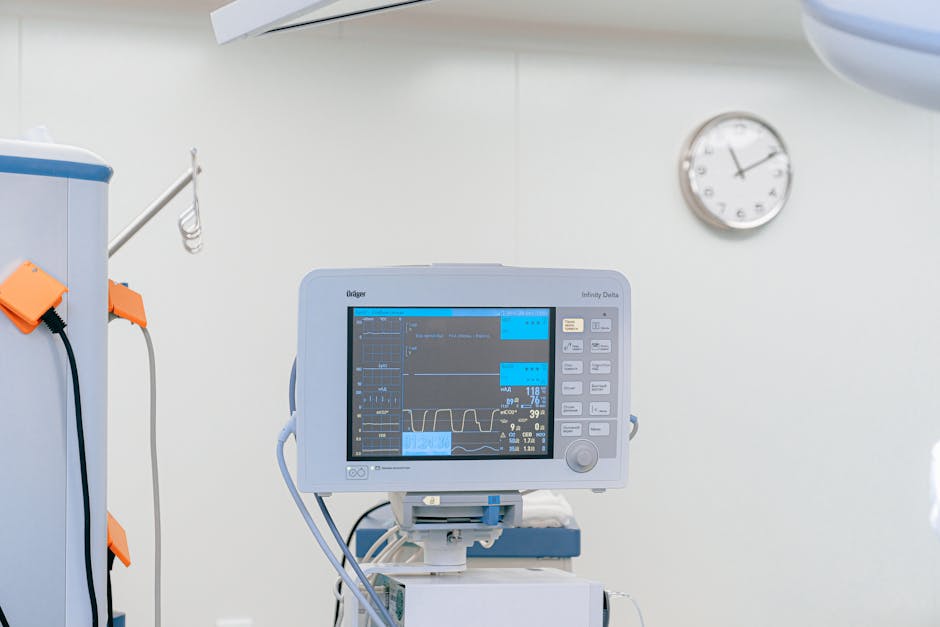
A close-up of a fetal heart rate monitor displaying a sudden change in pattern.
Fetal distress is usually the first and most reliable sign we see. This shows up as a sudden, significant drop in your baby’s heart rate that doesn’t bounce back – what we call prolonged fetal bradycardia. It’s like your baby’s way of telling us something isn’t right. While no single heart rate pattern confirms a rupture, this particular change gets our immediate attention.
Sudden, severe abdominal pain is another key warning sign. Many women describe it as a sharp, tearing sensation that feels different from regular labor pain. Even if you have an epidural, this pain often breaks through, and your abdomen may feel tender when we examine you.
Other signs we watch for include vaginal bleeding (though this doesn’t always happen), contractions that suddenly stop or weaken, and changes in where we can feel your baby’s position. Sometimes the baby actually moves back up after descending, which tells us something has changed.
We also monitor your vital signs closely. A racing heart rate or dropping blood pressure can signal that your body is responding to internal bleeding or stress.
Diagnosing uterine rupture is primarily about putting these clinical pieces together. While we might use ultrasound to rule out other causes of bleeding, the definitive diagnosis usually comes when we can visually inspect the uterus during surgery. That’s why we don’t wait for perfect confirmation – if we suspect a rupture based on these warning signs, we act immediately.
Treatment and Management of a Rupture
If a uterine rupture occurs, everything shifts into emergency mode. Our team has trained extensively for these moments, and our facility is fully equipped to handle this kind of emergency with speed and expertise.
Emergency cesarean delivery is always our first priority. We need to get your baby delivered safely and quickly, which also gives us access to assess and repair the damage to your uterus. Every minute matters here, so our team moves fast.
Once your baby is safely delivered, we focus on repairing your uterus. If the tear isn’t too extensive and you want the possibility of future pregnancies, we’ll work to surgically repair the rupture. Our goal is always to preserve your uterus when it’s safely possible.
However, sometimes the damage is too severe, or bleeding can’t be controlled. In these cases, we may need to perform a hysterectomy – removing the uterus entirely. This is never an easy decision, but it’s sometimes necessary to save your life. About one in three women who experience uterine rupture end up needing this procedure.
Blood transfusion is often necessary because significant blood loss is common with uterine rupture. We’ll have blood products ready and will monitor your blood levels closely to ensure you stay stable.
Your baby will be cared for by our neonatal resuscitation team – specialists who are experts at helping newborns who may have experienced stress during delivery. They’ll be right there in the delivery room, ready to provide any care your baby needs.
Throughout this entire process, we focus on keeping you stable – monitoring your blood pressure, heart rate, and overall condition while addressing the rupture and any complications that arise.
Even in these urgent situations, we believe in keeping you and your family informed about what’s happening and why. Our commitment to open communication doesn’t stop during emergencies – we’ll explain what we’re doing every step of the way, as much as the situation allows.
TOLAC vs. Elective Repeat C-Section: A Comparison
Making the choice between a Trial of Labor After Cesarean (TOLAC) and an Elective Repeat C-section (ERCS) is one of the most important decisions you’ll face in your pregnancy journey. At South Lake OB/GYN, we believe this decision should never be made in isolation. Instead, we focus on shared decision-making, where we sit down together, discuss your unique circumstances, and create an individualized care plan that reflects your values, preferences, and medical history.
Every woman’s situation is different, and what’s right for your friend or sister may not be right for you. That’s why we take the time to understand not just your medical history, but also your hopes and concerns about your upcoming delivery.
The benefits of VBAC through TOLAC can be significant for many women. When successful, a vaginal birth after cesarean offers you the experience of vaginal childbirth, typically means a shorter hospital stay, and often allows for a quicker return to your daily activities. You’ll avoid major abdominal surgery and the recovery that comes with it. Perhaps most importantly for your future, avoiding repeat cesareans helps prevent complications like placenta previa or placenta accreta in subsequent pregnancies – conditions that become more likely with each additional C-section.
However, we’re always honest about the risks of TOLAC. The primary concern is uterine rupture risk, which while low (less than 1% for women with one prior low transverse C-section), represents the most serious potential complication. Additionally, if your trial of labor doesn’t succeed and you need an emergency C-section, this scenario typically involves more complications than either a successful VBAC or a planned repeat cesarean.
On the other hand, risks of repeat C-sections shouldn’t be overlooked. While an ERCS eliminates the immediate uterine rupture risk associated with labor, it’s still major abdominal surgery. You’ll face the standard surgical risks including infection, bleeding, and blood clots. Future pregnancies may also be affected, with increased chances of placental complications that can be life-threatening.
Weighing the Risks and Benefits
To help you understand the comparison clearly, here’s how TOLAC and ERCS stack up across key health metrics:
| Metric | Trial of Labor After Cesarean (TOLAC) | Elective Repeat Cesarean Section (ERCS) |
|---|---|---|
| Uterine Rupture Risk | 0.5-0.9% (5-9 per 1,000) | Nearly 0% |
| Blood Transfusion | 1-2% | 1-3% |
| Infection | Lower if successful VBAC; higher if emergency C-section needed | 3-5% |
| Thromboembolism | Lower | Slightly higher due to surgery |
| Neonatal Outcomes | Slightly higher risk if rupture occurs | Generally good, but respiratory issues more common |
| Recovery Time | 1-3 days if successful; longer if emergency C-section | 3-5 days hospital stay, 6-8 weeks full recovery |
The numbers tell part of the story, but your personal circumstances complete the picture. We’ll discuss factors like your previous labor experience, the type of incision from your prior C-section, the time between pregnancies, and your feelings about the different risks involved.
Complications for Mother and Baby
When we talk about potential complications, we want you to understand both sides of the equation – what could happen to you and what could affect your baby.
Maternal complications from uterine rupture can be serious. Hemorrhage is the most immediate concern, as the tear in your uterine wall can cause significant internal bleeding. Sometimes this bleeding is severe enough to require emergency blood transfusions. In rare cases, nearby organs like the bladder can be injured during the rupture or the emergency surgery that follows. The most serious maternal complication is the need for an emergency hysterectomy – surgical removal of the uterus – which occurs in about one-third of women who experience uterine rupture. While this is life-saving when necessary, it means you won’t be able to carry future pregnancies.
For your baby, the complications can be equally concerning. Hypoxic-ischemic encephalopathy (HIE) – brain damage caused by lack of oxygen – is the most serious potential outcome. When uterine rupture occurs, your baby’s oxygen supply can be interrupted, and the severity depends on how quickly we can deliver your baby. Many babies who experience complications from uterine rupture require care in the Neonatal Intensive Care Unit (NICU) immediately after birth. In the most severe cases, perinatal death can occur, though this is rare when rupture is recognized and treated quickly.
Research on maternal and fetal consequences shows that while these complications are serious, they remain relatively uncommon. The key is having an experienced team ready to act immediately if signs of rupture appear.
We know these statistics can feel overwhelming, but remember – we’re here to help you process this information and make the decision that’s right for your family. Our goal is to ensure you feel confident and supported, whatever path you choose.