


Why My Thighs Are Paining During Pregnancy: The Real Reasons & How to Find Relief
- Alt text: A pregnant woman sits on a couch, holding her thigh in discomfort.
- Caption: Thigh pain is a common experience for many expectant mothers, but understanding its causes is the first step toward relief.
- Filename: pregnant-woman-thigh-pain.jpg
You’re Not Alone in This Aching Journey
If you’re wondering why my thighs are paining during pregnancy, you’re in good company. Up to 80% of expectant mothers experience similar discomfort, especially during the second and third trimesters.
Quick Answer: Why My Thighs Are Paining During Pregnancy
- Hormonal changes: Relaxin and other hormones loosen ligaments and can increase pain sensitivity.
- Growing baby weight: Added pressure on nerves, reduced blood flow, and muscle strain are common.
- Postural shifts: Your changed center of gravity alters how you walk and stand, straining muscles.
- Specific conditions: Issues like SPD (affecting 1 in 5 women), round ligament pain, or sciatica can be the cause.
- Increased fluid retention: Swelling can create additional pressure on muscles and nerves.
The good news? This pain is usually normal, and there are many safe, effective ways to find relief.
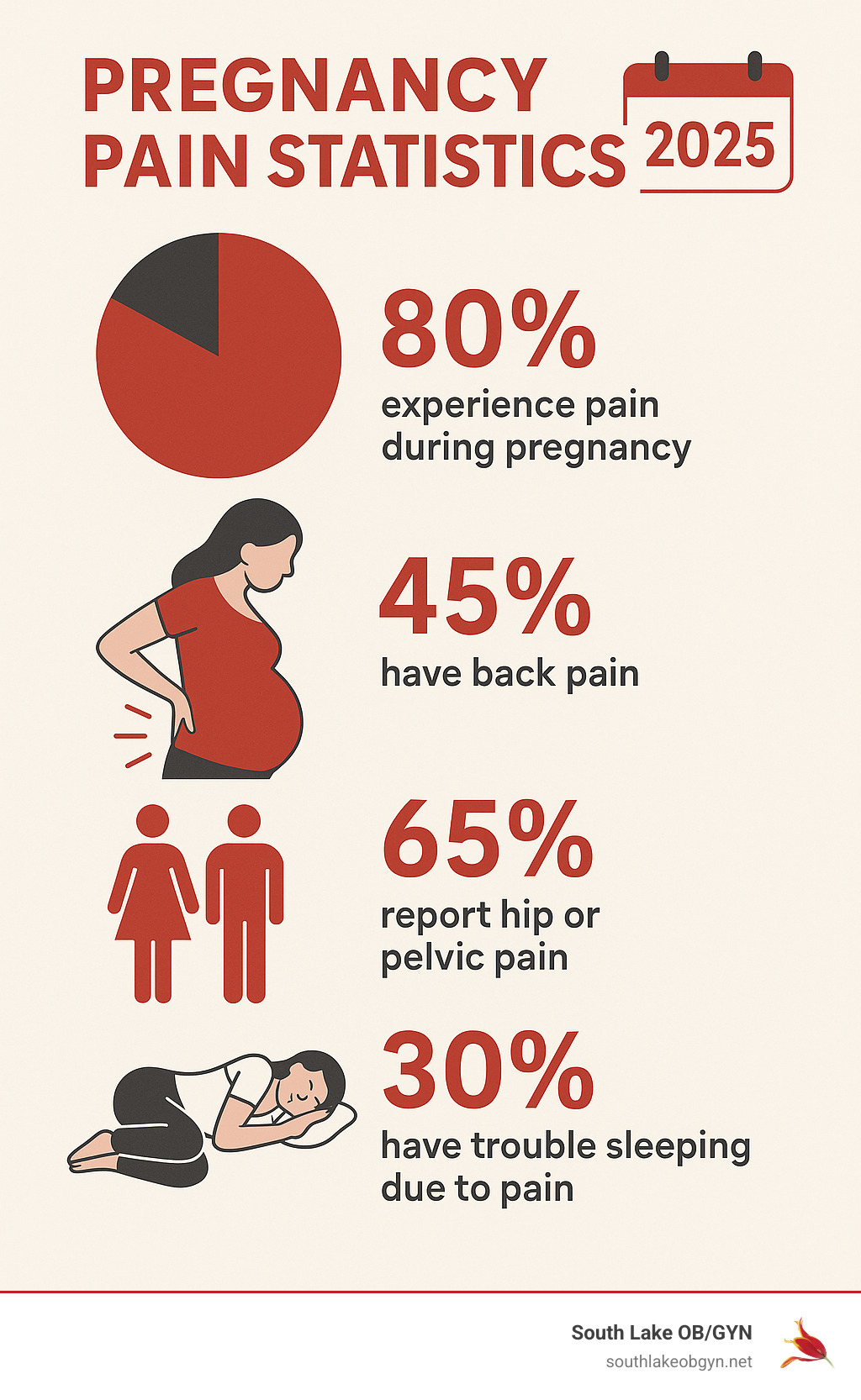
- Alt text: Infographic showing statistics on pregnancy pain: 80% of women experience thigh pain, 1 in 5 are affected by SPD, and 75% experience leg cramps.
- Caption: Understanding the prevalence of pregnancy-related pain helps normalize the experience for expectant mothers.
- Filename: pregnancy-pain-statistics-infographic.jpg
Pregnancy should be a joyful journey, not one dominated by discomfort. Understanding what’s happening in your body is the first step toward finding relief.
As Dr. Matthew Casavant, I’ve helped thousands of pregnant women steer these common discomforts over my 20+ years in obstetrics and gynecology. My goal is to help you understand what’s normal, when to seek help, and how to find comfort during this transformative time.
Unpacking the Causes: Why My Thighs Are Paining During Pregnancy
During pregnancy, your body undergoes incredible changes. While amazing, these shifts can sometimes leave you wondering, “why my thighs are paining during pregnancy”.
The truth is, thigh pain during pregnancy is a complex issue, often resulting from a combination of hormones, the weight of your growing baby, and your body’s new center of gravity. Let’s break down what’s really happening.
Hormonal Havoc: A Key Reason Why My Thighs Are Paining During Pregnancy
Pregnancy hormones are essential, but they have side effects. The main one concerning joint pain is relaxin.
Relaxin’s job is to loosen your ligaments to prepare your pelvis for delivery. However, this hormone affects ligaments throughout your body. When your pelvic joints become less stable, the muscles in your hips and thighs must work harder to compensate, leading to tension and pain.
Progesterone and estrogen also contribute by softening connective tissues and increasing your overall pain sensitivity. This means that discomfort you might normally ignore can feel much more intense during pregnancy.
The Growing Baby and Uterus
As your baby grows, your expanding uterus puts significant pressure on your entire pelvic region, including nerves and blood vessels.
Your sciatic nerve, which runs from your lower back down each leg, is a prime target. Pressure on this nerve can cause sharp, shooting pain or numbness that travels down your thigh. This increased pressure can also reduce blood flow to your legs, making cramps more likely, especially at night. In fact, about 75% of pregnant women experience leg cramps.
Your body also carries about 50% more blood and fluids to support your baby. This extra fluid can cause swelling in your legs and feet, putting even more pressure on the tissues and nerves around your thighs.
Postural Shifts and Weight Gain: Why My Thighs Are Paining During Pregnancy
As your belly grows, your center of gravity shifts forward. To compensate, you naturally lean backward, creating a pronounced lower back curve (lordosis). This posture puts significant strain on your back, hips, and thighs.
Your thigh muscles work harder to support your pelvis and maintain balance, leading to fatigue and pain. This is why many women develop the characteristic “pregnancy waddle”—it’s the body’s way of adapting to unstable joints and a new center of gravity.
This shift can also lead to muscle imbalances, where some muscles become overstretched and weak while others get tight and overworked. Your thigh muscles often fall into the overworked category as they try to stabilize your changing body.
While weight gain is normal and necessary, staying within the recommended ranges for a healthy pregnancy weight gain can help reduce some of this mechanical stress on your joints and muscles.
Common Culprits: Specific Conditions Behind Thigh Pain
While general pregnancy changes cause discomfort, sometimes specific medical conditions are behind that nagging thigh pain. Knowing these can help you have a more productive conversation with your healthcare provider.

- Alt text: Diagram showing the key pelvic structures affected during pregnancy.
- Caption: Hormones and a growing baby put stress on the pelvic girdle, leading to conditions like SPD and round ligament pain.
- Filename: pelvic-girdle-pregnancy-pain-diagram.jpg
Symphysis Pubis Dysfunction (SPD) and Pelvic Girdle Pain (PGP)
If your pain is centered around your pubic bone and radiates into your inner thighs, you might have Symphysis Pubis Dysfunction (SPD) or the broader Pelvic Girdle Pain (PGP). This occurs when the ligaments stabilizing your pelvic joint become too relaxed, causing instability and pain. This condition affects about 1 in 5 pregnant women.
The pain from SPD can feel like your pelvis is being pulled apart. You might notice pain directly over your pubic bone that travels to your inner thighs and groin, sometimes accompanied by clicking or grinding sounds when you move. Simple activities like walking upstairs, getting out of bed, or putting on pants can trigger sharp pain. While common, PGP is not something you just have to endure; early diagnosis and treatment can make a real difference. The Research on Pelvic Girdle Pain from the Royal College of Obstetricians and Gynaecologists offers excellent information on this condition.
Round Ligament Pain
Round ligament pain is a sharp, sudden pain in your lower abdomen or groin that can extend into your upper thigh. It’s caused by the rapid stretching of the ligaments that support your growing uterus. Everyday movements like rolling over in bed, standing up quickly, coughing, or sneezing can trigger this brief but intense sensation. While startling, it’s generally harmless and a normal part of your body’s adaptation process.
Meralgia Paresthetica and Sciatica
Sometimes, the answer to why my thighs are paining during pregnancy is nerve compression.
Meralgia Paresthetica affects the outer thigh, causing burning, tingling, or numbness. This happens when the growing uterus presses on the nerve that provides sensation to that area. It’s more annoying than painful and doesn’t affect muscle strength.
Sciatica involves the sciatic nerve. When compressed, it can create pain that radiates from your lower back, through your buttocks, and down the back of your leg into your thigh. Unlike the brief jab of round ligament pain, sciatica is often a persistent ache or burning sensation that can worsen at night. The combination of your baby’s weight, postural changes, and relaxed ligaments all contribute to this nerve compression.
Finding Relief: Managing and Soothing Pregnancy Thigh Pain
When you’re dealing with thigh pain during pregnancy, you want relief. The good news is that many safe, effective options can help ease this discomfort.
At-Home Remedies and Self-Care Strategies
Small adjustments to your daily routine can make a world of difference. Most of these strategies are simple and focus on reducing strain.
- Activity Modification: Sit down to get dressed. Take smaller steps when walking and avoid twisting your pelvis.
- Strategic Rest: Listen to your body and take breaks throughout the day. Rest is essential, not lazy.
- Warm Baths: Soaking in warm (not hot) water can help relax tense thigh and pelvic muscles.
- Ice Packs: For acute pain, apply an ice pack wrapped in a towel for 15-20 minutes to reduce inflammation.
- Proper Posture: Stand and sit tall to distribute your weight evenly and take pressure off your thighs.
- Sleep Support: Place a pillow between your knees when sleeping on your side to keep your hips and pelvis aligned.
- Supportive Footwear: Choose comfortable shoes with good arch support over high heels.
- Avoid Heavy Lifting: Ask for help to protect your back and pelvis from extra strain.
- Stay Hydrated: Drink plenty of water to help prevent muscle cramps.
- Gentle Massage: A gentle massage from a partner or with a foam roller can increase blood flow and relax tight muscles.

- Alt text: A pregnant woman relaxing in bed with a pillow between her knees, demonstrating a self-care strategy for thigh pain.
- Caption: Simple adjustments like using pillows for support can significantly improve comfort and reduce thigh pain during pregnancy.
- Filename: pregnant-woman-pillow-support.jpg
Safe Exercises and Stretches for Relief
Gentle, targeted movement can be incredibly healing. Always check with your healthcare provider before starting a new exercise routine.
- Pelvic Tilts: Strengthen your core and gently mobilize your pelvis.
- Kegel Exercises: Improve pelvic floor strength and overall stability.
- Gentle Hip Bridges: Work your glutes and hamstrings to improve pelvic support.
- Calf Stretches: Relieve tightness in your lower legs, which can contribute to overall discomfort.
- Water Aerobics: Swimming or water walking takes pressure off your joints while strengthening muscles.

- Alt text: A pregnant woman safely performing a pelvic tilt to alleviate thigh and back pain.
- Caption: Gentle, approved exercises can strengthen supporting muscles and provide significant pain relief.
- Filename: pregnant-woman-pelvic-tilt-exercise.jpg
Professional Help and Supportive Aids
Sometimes home remedies need backup. Seeking professional help is a smart move for your well-being.
- Physiotherapy: A specialist can create a personalized treatment plan with manual therapy and targeted exercises.
- Prenatal Massage: A certified therapist can safely soothe tight muscles and improve circulation.
- Chiropractic Care: Practitioners trained in techniques like the Webster Technique may provide relief. Discuss this with your OB/GYN first.
- Pregnancy Support Belts: These bands help lift your bump, reducing pressure on your pelvis, back, and thighs.
- Safe Pain Medication: Your doctor may recommend acetaminophen (Tylenol). Never take any medication without consulting your provider. For more information, the Cleveland Clinic’s article on pregnancy pains is a valuable resource.
When to Call Your Doctor: Red Flags
While most thigh pain is manageable, contact your doctor immediately if you experience any of the following:
- Severe or constant pain that doesn’t improve with rest.
- Pain accompanied by fever or bleeding.
- Swelling, redness, or warmth in one leg only, as this could indicate a blood clot (a medical emergency).
- Inability to bear weight on your leg.
- Signs of preterm labor, such as regular contractions, fluid leakage, or increasing pelvic pressure.
Frequently Asked Questions about Pregnancy Thigh Pain
We know you have questions. Here are clear, reassuring answers to some common concerns about why my thighs are paining during pregnancy.
Will this pain affect my labor and delivery?
For most women, thigh and groin pain does not prevent a normal vaginal delivery. It’s important to discuss your pain with your healthcare team so we can create a birth plan that prioritizes your comfort. We can help you find comfortable labor positions, such as side-lying or using a peanut ball. Water births are also an excellent option, as the water’s buoyancy provides natural pain relief. If needed, epidural options are available to manage severe pain.
Will the thigh pain go away after I give birth?
Yes, for the vast majority of women (about 90%), the pain improves significantly within weeks postpartum. As your hormones normalize and the physical stress of pregnancy subsides, the pain typically resolves. For the 10% of women who may experience lingering pain, especially after severe SPD, postpartum physiotherapy is highly effective. We can connect you with specialists to help you heal completely.
Can I prevent thigh pain in a future pregnancy?
While there’s no guarantee, you can take proactive steps to reduce the severity of thigh pain in future pregnancies. Pre-conception strengthening of your core and pelvic floor muscles builds a strong foundation. Other helpful strategies include using a support belt earlier in the pregnancy, managing weight gain within recommended ranges, and engaging in proactive physical therapy to learn preventive exercises and proper body mechanics.
Your Comfort Matters: Taking the Next Step
Understanding why my thighs are paining during pregnancy is the first step toward managing it. This pain is real, common, and most importantly, manageable. Whether it’s from hormonal changes, the weight of your baby, or postural shifts, solutions are available.
The key is to listen to your body and not push through severe pain. Simple adjustments like sleeping with a pillow between your knees or seeking professional help from a physiotherapist can provide significant relief.
At South Lake OB/GYN, we’ve been walking alongside expectant mothers in Clermont, FL for years. We believe open communication with your provider is essential. Every question matters, and every concern is valid. We are not just your medical team; we are your partners, committed to a family-like atmosphere where you feel heard and cared for.
Pregnancy should be a time of joy. If you’re struggling with persistent thigh pain, please don’t hesitate to reach out. Your comfort matters. Let’s work together to make your pregnancy journey as joyful as possible.
Learn more about our comprehensive OB/GYN services for your pregnancy journey