


My Journey to Diagnosis: Recognizing Uterine Cancer
Caption: Understanding the signs of uterine cancer is the first step toward early diagnosis and life-saving treatment.
Filename: uterine_cancer_diagnosis_discussion.jpg
Why Early Recognition Saves Lives
My story of how I knew I had uterine cancer began with symptoms I nearly dismissed as normal aging. Like many women, I rationalized the warning signs until they became impossible to ignore. Recognizing them earlier could have made a world of difference.
The most common signs that lead to a uterine cancer diagnosis include:
- Abnormal vaginal bleeding, especially any bleeding after menopause
- Spotting between periods or periods that are heavier or longer than usual
- Unusual vaginal discharge that is watery or blood-tinged
- Pelvic pain or pressure unlike normal cramps
- Unexplained weight loss or feeling full quickly
- Persistent fatigue that rest doesn’t fix
Research shows that abnormal vaginal bleeding occurs in over 90% of women with uterine cancer, making it the most critical early warning sign. When caught while still confined to the uterus, the 5-year survival rate is an encouraging 94.8%. This rate drops significantly if the cancer spreads, which is why early detection is key.
As uterine cancer survivor Maria Lozano shared, “I was already well into menopause when I started experiencing the most common symptom of endometrial cancer: abnormal vaginal bleeding.”
I’m Dr. Matthew Casavant, and in my 20+ years as an OB/GYN, I’ve seen how early detection changes outcomes. Guiding women through recognizing symptoms and finding the right treatment has shown me that awareness and quick action are everything.
Simple how i knew i had uterine cancer glossary:
My Story Begins: An Unexpected Warning
It started one morning when I noticed abnormal bleeding that shouldn’t have been there. My first instinct was to brush it off as stress or just a part of getting older. It’s easy to dismiss our body’s warning signals when we’re busy juggling life’s responsibilities. But that dismissive attitude—one I’ve seen in many patients at South Lake OB/GYN—can be dangerous.
Uterine cancer is the most common gynecologic cancer in the United States, ranking as the fourth most common cancer among women. Nearly 68,000 people are expected to be diagnosed this year. When we talk about uterine cancer, we’re usually discussing endometrial cancer, which starts in the uterine lining (the endometrium) and accounts for 95% of cases.
The other type is uterine sarcoma, a rarer, more aggressive form that begins in the muscle wall of the uterus. They are both uterine cancers but require different treatments. Understanding this distinction was a key part of my journey and how I knew I had uterine cancer.
The key is to recognize the early warning signs our bodies send us. As mentioned, early detection leads to a very high survival rate, which is why we can’t afford to ignore our intuition. When something feels different, it’s time to talk to your doctor.
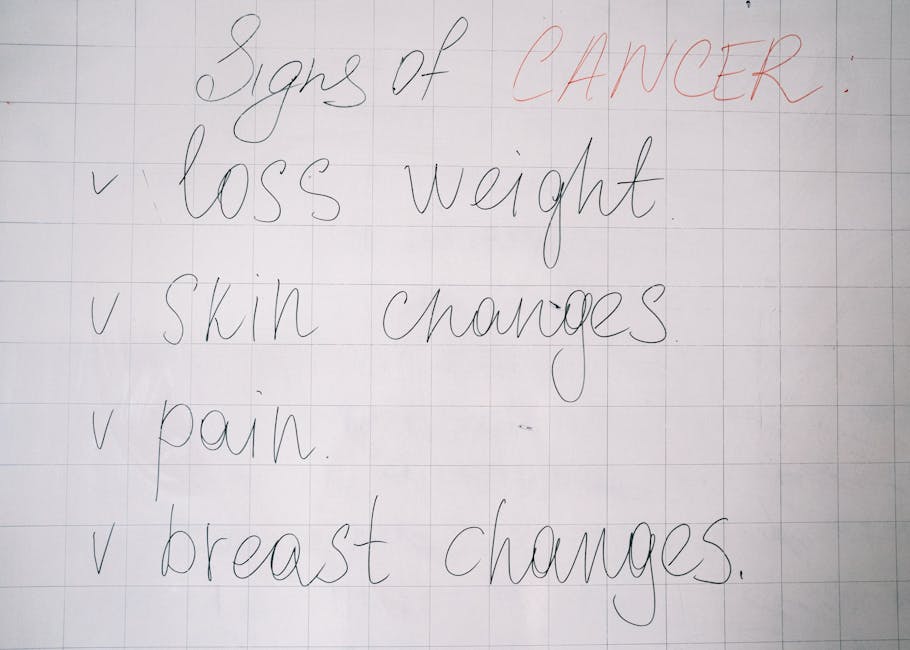
Caption: Recognizing these common signs can be the first step towards an early diagnosis and better outcomes.
Filename: uterine_cancer_symptoms_infographic.png
The First Whispers: Early Symptoms I Almost Ignored
My body had been trying to tell me something for months, but I explained away each symptom as perimenopause or aging. The early signs of uterine cancer can be sneaky, often masquerading as less serious conditions.

Caption: A calendar with a marked date, symbolizing the start of an unusual or unexpected period that could be a symptom of uterine cancer.
Filename: calendar_unusual_period.png
The most telling sign, present in over 90% of cases, is abnormal vaginal bleeding. For me, it started subtly with spotting between periods. Any unexpected bleeding, even a small amount, deserves attention. For other women, it might be heavier or longer periods. The key is a change from your normal pattern.
Another sign is abnormal vaginal discharge, which about half of women with endometrial cancer notice. It might be watery, blood-tinged, or have an unusual odor. In your 40s or 50s, it’s easy to confuse these symptoms with perimenopause, but any bleeding that’s unusually heavy, occurs between periods, or persists for months needs a medical evaluation. Don’t ignore your instincts; know what’s normal for your body and speak up when something feels different. For more details, visit our page on endometrial cancer symptoms.
Bleeding After Menopause: The Ultimate Red Flag
If there is one message to take away, it’s this: any bleeding after menopause is not normal and requires immediate medical attention. This is not a “wait and see” situation.
Why the urgency? 90% of women with postmenopausal endometrial cancer experienced abnormal vaginal bleeding before their diagnosis. The American College of Obstetricians and Gynecologists (ACOG) is clear: all postmenopausal bleeding should be evaluated to rule out endometrial cancer. While not always cancer, it’s a strong enough signal for immediate investigation. Acting quickly makes all the difference. You can read more at ACOG on endometrial cancer.
Changes Before Menopause: What’s “Normal”?
For women still having periods, recognizing the signs is more challenging. The key is to notice significant changes in your personal pattern. Irregular cycles that become more erratic or bleeding after intercourse should always be investigated.
Conditions like PCOS or fibroids can mask cancer symptoms. A patient named Tralisa had heavy, irregular periods from endometriosis and PCOS, so she initially dismissed worsening symptoms as aging before her endometrial cancer diagnosis. This is why self-advocacy is crucial. You know your body best. If something feels different—more erratic bleeding, heavier flow—speak up. At South Lake OB/GYN, we take your concerns seriously because “normal” varies for every woman. If you’re worried about changes, please reach out.
For information on conditions with similar symptoms, visit our page on thickened uterine lining.
Connecting the Dots: When Other Symptoms Appear
Beyond bleeding, other symptoms emerged that helped me understand how I knew I had uterine cancer. These signs often appear as the disease progresses and became the missing pieces of the puzzle.

Caption: A woman journaling her symptoms, a crucial step in understanding and communicating changes in her body to her doctor.
Filename: woman_journaling_symptoms.png
What started as unusual bleeding expanded into a constellation of symptoms:
- Pelvic pain or pressure: A persistent dull ache, different from normal cramps.
- Persistent bloating and feeling full quickly: Feeling uncomfortably stuffed after just a few bites.
- Unexplained fatigue: A bone-deep exhaustion that rest couldn’t fix.
- Unintentional weight loss: A sign the body is fighting something serious.
- Changes in bowel or bladder habits: Such as frequent urination, which can occur when a tumor presses on nearby organs.
My “aha!” moment wasn’t a lightning bolt but a gradual awakening. For over a year, I had rationalized each symptom individually. The turning point came when the bleeding became heavy and was accompanied by extreme fatigue. I realized this wasn’t just aging; my body was sending an urgent message. This is when self-advocacy became critical. As survivor Toni said, “It’s up to you to be your own advocate.” Trusting my intuition and persistently seeking answers was key.
Understanding My Risk Factors
Learning about my personal risk factors helped me take my symptoms seriously. While they don’t guarantee a diagnosis, they increase the likelihood. Key risk factors for uterine cancer include:
- Obesity: Excess body fat increases estrogen levels, which can stimulate abnormal endometrial growth.
- Age over 50: Most cases are diagnosed in women between 55 and 64.
- Family history: A history of uterine, colon, or ovarian cancer, especially conditions like Lynch syndrome, increases risk. The CDC provides comprehensive information on risk factors.
- Other health conditions: A history of endometrial hyperplasia (a precancerous thickened uterine lining), type 2 diabetes, and hormonal imbalances are also risk factors.
Understanding these empowered me to seek medical care. At South Lake OB/GYN, we use this information to have targeted conversations and ensure appropriate monitoring for each patient.
The Path to an Answer: My Uterine Cancer Diagnosis
Once you call your doctor, the diagnostic journey begins. This can feel overwhelming, but at South Lake OB/GYN, we walk alongside you every step of the way.
The process typically starts with a doctor’s visit to discuss your symptoms in detail, followed by a pelvic exam to check for physical abnormalities. From there, several tests help us get a clear picture:
- Transvaginal Ultrasound: This gives us our first look inside. A small probe creates detailed images of your uterus, allowing us to see if the endometrial lining has thickened. Learn more about What to expect from a Uterine Cancer Ultrasound.
- Endometrial Biopsy: If the ultrasound is concerning, this is the next step. It’s a straightforward, 10-minute office procedure where a thin tube collects a small tissue sample from your uterine lining for lab analysis. For a full overview, see What is an Endometrial Biopsy? Everything You Need to Know.
- D&C Procedure (Dilation and Curettage): If a biopsy is unclear, this minor surgical procedure allows us to collect a more comprehensive tissue sample from the uterine lining.
Receiving the diagnosis that confirmed how I knew I had uterine cancer is never easy. Our team is here to support you, answer your questions, and explain what comes next.
Understanding the Biopsy and Staging
A pathologist examines the biopsy tissue to see if cancer cells are present, determine the cancer type, and assess its grade (how aggressive it appears).

Caption: A doctor compassionately explaining biopsy results and treatment options to a patient, emphasizing clear communication and support.
Filename: doctor_explaining_results.png
Understanding your Endometrial Biopsy Results is crucial. If cancer is confirmed, we use tests like CT scans and MRIs to determine the cancer’s stage—how far it has spread.
- Stage 1: Cancer is confined to the uterus.
- Stage 2: Cancer has spread to the cervix.
- Stage 3: Cancer has reached nearby tissues like the vagina, ovaries, or lymph nodes.
- Stage 4: Cancer has spread to distant organs like the bladder, bowel, or lungs.
The stage dictates the treatment plan. Early-stage cancers may only require surgery, while advanced stages often need a combination of surgery, radiation, and chemotherapy. A gynecologic oncologist, a specialist in this field, is essential for providing the most comprehensive care. Staging gives us the information needed to create the best treatment plan for your specific situation.
Facing the Future: Treatment and the Power of Early Detection
A uterine cancer diagnosis can feel overwhelming, but there’s real hope in these numbers. When I share how I knew I had uterine cancer stories with my patients, I always emphasize this crucial point: early detection truly saves lives.
The statistics speak volumes about why recognizing those early warning signs matters so much:
| Stage of Uterine Cancer | 5-Year Relative Survival Rate |
|---|---|
| Localized (Stage 1) | 94.8% |
| Regional (Stage 2 & 3) | 69.7% |
| Distant (Stage 4) | 18.9% |
| Overall | 80.8% |
Source: National Cancer Institute (2014-2020 data) – National Cancer Institute survival stats
That 94.8% survival rate for localized cancer is incredibly encouraging. It means that when women trust their instincts about unusual symptoms and seek care promptly, the vast majority go on to live full, healthy lives.
The treatment approach depends on several factors, including the cancer’s stage, type, and your overall health. At South Lake OB/GYN, we work closely with gynecologic oncologists to ensure you receive the most appropriate care for your specific situation.
Hysterectomy remains the cornerstone treatment for most uterine cancers. This surgical removal of the uterus, often along with the fallopian tubes and ovaries, can be curative for early-stage disease. For many women like Dee, whose Stage 1, Grade 1 cancer was caught early, a hysterectomy alone provided complete treatment.
Radiation therapy uses precisely targeted energy to eliminate any remaining cancer cells. This might involve external beam radiation or internal treatment called brachytherapy, which is often directed at the vaginal area after surgery. Toni, one of our survivors, underwent radiation treatment to her vaginal cuff as part of her comprehensive care plan.
For more advanced stages or aggressive cancer types, chemotherapy may be recommended. These powerful medications work throughout the body to destroy cancer cells. While the treatment can be challenging – as Toni experienced during her chemotherapy – many patients find strength in knowing they’re fighting back against the disease.
Hormone therapy offers another treatment option for certain types of uterine cancer that respond to hormones. This approach either blocks the hormones that fuel cancer growth or introduces hormones that slow the cancer’s progression.
Life after treatment involves regular follow-up care, including physical exams and imaging studies to monitor your recovery. The goal isn’t just to eliminate the cancer – it’s to support you through recovery and help you return to the life you love. Many survivors tell us that while the journey was challenging, they emerged stronger and more appreciative of each day.
The key message in every how I knew I had uterine cancer story is the same: early action leads to better outcomes. When you listen to your body and seek care promptly, you’re giving yourself the best possible chance for a full recovery and a bright future ahead.
My Message to You: Trust Your Body and Take Action
After sharing these stories and walking through the journey of how I knew I had uterine cancer, I want to leave you with some heart-to-heart advice that could truly make a difference in your life.
Don’t delay seeking care. This is perhaps the most important message I can share with you. If you’re experiencing persistent or unusual symptoms—especially abnormal vaginal bleeding—please don’t wait or rationalize them away. I’ve seen too many women dismiss early warning signs, thinking they’re just part of getting older or dealing with stress.
As Dee so powerfully shared, “I was extremely fortunate I caught this cancer early. Had I put it off and waited, the outcome could have been completely different.” Her words echo what we see time and again: early detection saves lives.
You are your best advocate. Nobody knows your body better than you do. If something feels off, even if you can’t quite explain what’s different, trust that inner voice. Be persistent with your healthcare provider until you get answers that make sense to you. Ask questions, understand your options, and never hesitate to seek a second opinion if you’re not completely satisfied.
I’ve learned over my years of practice that the patients who do best are often those who speak up for themselves. They’re the ones who say, “This isn’t normal for me,” even when initial tests come back clear or symptoms seem minor to others.
The importance of a supportive medical team cannot be overstated. Navigating potential health concerns, especially something as scary as a possible cancer diagnosis, shouldn’t be a journey you take alone. Here at South Lake OB/GYN in Clermont, we’ve built our practice around the belief that healthcare should feel personal and supportive.
We pride ourselves on fostering that family-like atmosphere where you feel comfortable asking questions and expressing concerns. Open communication isn’t just something we talk about—it’s how we practice medicine every single day. Whether you’re coming in for routine care or dealing with worrying symptoms, we’re here to walk alongside you with the expertise and compassion you deserve.
Your health truly is your most valuable asset. If you’re experiencing any of the symptoms we’ve discussed, or if you have concerns about your gynecologic health, please don’t hesitate to reach out to us. Regular check-ups and honest conversations with your healthcare provider are your best defense against serious conditions like uterine cancer.
We’re here to support you in living your healthiest, happiest life. Learn more about our approach to women’s health and find how our team can be part of your wellness journey.

Caption: Our welcoming office at South Lake OB/GYN, where we provide compassionate and personalized care to our community.
Filename: south_lake_obgyn_office.png