


From Bump to Bloom: Navigating Your Postpartum Recovery Timeline
Understanding the stages of healing after childbirth
The postpartum recovery timeline typically spans from six weeks to one year, but every woman’s journey is unique. Understanding what to expect can make this transformative period feel less overwhelming.
Key Recovery Milestones:
- First Week: Heavy bleeding (lochia), afterpains, significant fatigue, and potential baby blues.
- Weeks 2-6: Bleeding tapers off, stitches heal, and energy gradually returns.
- 6 Weeks: Postpartum checkup, with potential clearance for exercise and sex.
- 6 Months: Most physical symptoms resolve, and weight loss progresses.
- One Year: Full recovery for most women as hormones stabilize.
Over 3.6 million births occur in the U.S. each year, yet research shows that half of new mothers don’t know what to expect during the first six weeks postpartum. The postpartum period, or “fourth trimester,” brings profound physical, hormonal, and emotional changes as your body heals from childbirth.
Knowing your recovery timeline helps you understand what’s normal, when to seek help, and how to care for yourself. While the first six to eight weeks are the primary recovery window, changes can last a year or longer. Your uterus shrinks from 2.5 pounds to just 2 ounces, and hormones like estrogen and progesterone plummet, affecting your mood, energy, and comfort.
As Dr. Matthew Casavant, I’ve spent over two decades guiding women through their postpartum journey. My experience has reinforced my belief that supporting mothers through the “fourth trimester” is just as important as prenatal care.
Understanding the “Fourth Trimester”
You’ve heard about the three trimesters of pregnancy, but the postpartum period, or “fourth trimester,” deserves just as much attention. This is when your body begins the remarkable journey of healing and adjusting after childbirth.
Most providers define this period as the first six to eight weeks after delivery, but recovery often extends beyond that. At South Lake OB/GYN, we consider the fourth trimester to be the first three months with your newborn—a time of mutual adjustment for you and your baby.
Your journey is uniquely yours, marked by significant physical changes, emotional shifts, and hormonal fluctuations. Understanding what’s happening inside your body can help you approach this time with the patience you deserve.
Healthcare providers often break down the postpartum recovery timeline into three phases:
- The Acute Phase (First 6-12 hours): Immediately after birth, your body is vulnerable to serious complications like postpartum hemorrhage. Our team at South Lake OB/GYN monitors you closely during these critical hours.
- The Subacute Phase (24 hours to 6 weeks): Your body is actively healing—your uterus shrinks, bleeding tapers off, and incisions mend. Rest and proper care are essential during this delicate period.
- The Delayed Phase (6 weeks to 6 months): Your muscles and tissues continue their gradual return to a pre-pregnancy state. We monitor for longer-term concerns like pelvic floor dysfunction to ensure your recovery stays on track.
The physical demands are matched by intense emotional shifts. Estrogen and progesterone levels plummet almost immediately, affecting your mood and energy. About eight in ten women experience the “baby blues”—mood swings and anxiety that typically resolve within two weeks. However, for about one in five people, these feelings can develop into postpartum depression, a more serious condition requiring professional support.
We encourage you to be patient with yourself. Your body has accomplished something extraordinary. Now, it needs time, rest, and nurturing to heal. Give yourself permission to recover at your own pace.
A visual timeline showing the three phases of postpartum recovery: Acute (first 24 hours), Subacute (2-6 weeks), and Delayed (up to 6 months).
Your Week-by-Week Postpartum Recovery Timeline
The postpartum recovery timeline is a general guide, not a rigid schedule. Your personal journey will depend on your birth experience, your body’s healing process, and your support system.
The First Week: Your Immediate Postpartum Recovery Timeline
The first seven days are a whirlwind of love, exhaustion, and significant physical healing. Your body is working overtime to recover, whether you had a vaginal delivery or a C-section.
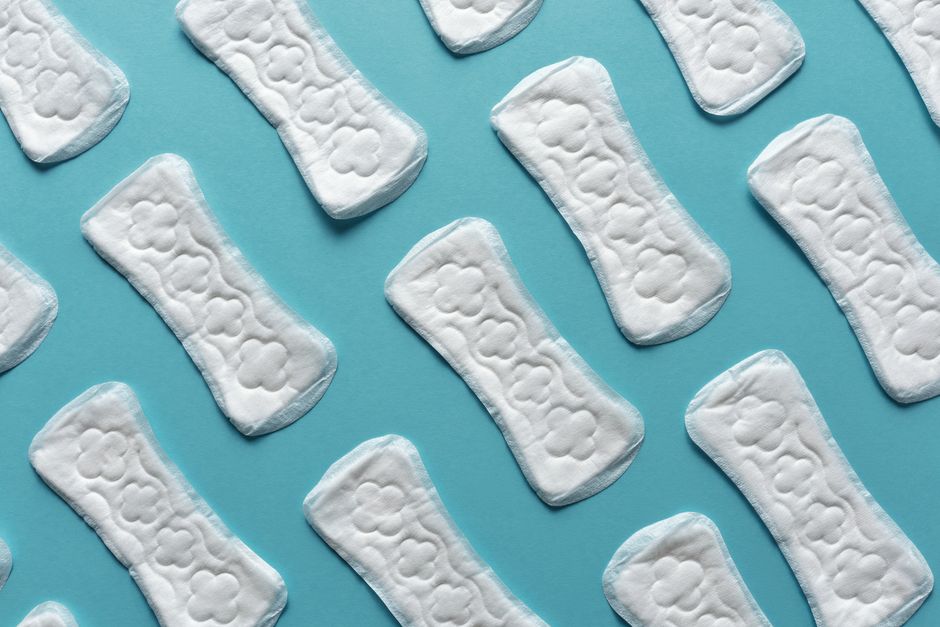
Physical recovery involves several key changes. You’ll experience heavy vaginal bleeding called lochia, which starts bright red and requires thick maxi pads. Small clots are normal, but call us if you soak a pad per hour or pass clots larger than an egg. You’ll also feel afterpains (cramps) as your uterus shrinks, which can be managed with a warm compress. If you had a vaginal birth, your perineum will be sore. Use a peri bottle to rinse, apply ice packs, and take sitz baths for relief. Other common experiences include swelling from IV fluids, night sweats as hormones shift, and constipation. Drink plenty of water, eat fiber, and ask us about a stool softener.
C-section recovery involves healing from major surgery. You’ll need pain medication for up to two weeks and must watch your incision for signs of infection like redness, swelling, or pus. Staples are typically removed after about a week.
Around day three or four, the “baby blues” may arrive, bringing weepiness and anxiety. These mood dips affect up to 8 in 10 women and usually resolve within two weeks. If they persist, it could be a sign of postpartum depression.
To prepare, stock up on essentials: heavy maxi pads, a peri bottle, sitz bath supplies, witch hazel pads, a stool softener, pain relievers, comfortable underwear, nursing supplies, and a heating pad.
A flat lay of postpartum care essentials like a peri bottle, witch hazel pads, and comfortable underwear.
Weeks Two to Six: The Subacute Phase
During this phase, your body continues to heal, and some symptoms will ease.
Your bleeding should taper off, changing from red to pink or brown, and eventually to a yellowish-white discharge. Some bleeding may continue for up to six weeks. Stitches from a tear or episiotomy will heal, and itchiness is a normal sign of this. A C-section incision will remain tender for several weeks, but the superficial layer heals in about 5-10 days.
Fatigue remains a constant companion, so rest whenever possible. We encourage gentle movement, like short, slow walks, to aid circulation and improve your mood. However, avoid overdoing it.
This is also a critical window to monitor your mental health. If baby blues symptoms last longer than two weeks or intensify, it could be postpartum depression (PPD). PPD is a serious medical condition affecting one in eight women and requires professional help. Please talk to us if you’re struggling. For more information, read our guide on Understanding Postpartum Depression.
| Symptom / Feature | Baby Blues | Postpartum Depression (PPD) |
|---|---|---|
| Onset | Typically 3-4 days postpartum | Can develop any time in the first year after birth |
| Duration | Lasts up to two weeks | Lasts longer than two weeks; can persist if untreated |
| Severity | Mild mood swings, weepiness, irritability | Intense sadness, hopelessness, severe anxiety, loss of interest |
| Impact | Does not interfere with daily functioning | Interferes significantly with daily life and ability to care for self and baby |
| Treatment | Self-care, rest, support | Requires professional help (therapy, medication) |
Six Weeks to One Year: The Longer-Term Postpartum Recovery Timeline
This “delayed phase” extends from six weeks to six months, though many changes continue for the entire first year.
Your six-week checkup is an important milestone to discuss your recovery and get clearance for certain activities. Most providers recommend waiting until six weeks postpartum to resume sex, but listen to your body and go at your own pace.
When resuming exercise, start gently. If you had an uncomplicated vaginal delivery, you might begin light exercise within a few days. For more intense workouts, wait for clearance at your six-week checkup. The ACOG Exercise Guidelines are a great resource. C-section recovery requires waiting at least 12 weeks before intense exercise.
Other changes during this time include:
- Your period may return around 6-8 weeks postpartum (or later if breastfeeding).
- Postpartum hair loss often starts around three months and can last for several months before returning to normal.
- Diastasis recti (abdominal separation) affects many mothers but often resolves within eight weeks. We can evaluate this at your checkup.
- Pelvic floor recovery can take eight months or more. Don’t hesitate to discuss issues like incontinence or pain with us.
- Libido changes are normal, as decreased estrogen can lower your sex drive for up to a year.
- Mental health remains a priority. PPD can emerge anytime in the first year. It’s never too late to seek help. If you’re struggling, please reach out to us or find resources on Understanding Postpartum Depression.

A woman doing gentle postpartum-safe exercises like pelvic tilts or walking outdoors with a stroller.
When to Call Your Doctor: Recognizing Red Flags
Knowing when to seek help is a critical part of your postpartum recovery timeline. While many symptoms are normal, some require immediate medical attention. Trust your instincts—if something feels off, please call us. At South Lake OB/GYN, we would rather you call and be reassured than worry in silence.
Urgent Warning Signs
Some symptoms require immediate action. Call 911 or seek emergency care if you experience any of the following:
- Heavy bleeding: Soaking more than one maxi pad an hour for two consecutive hours.
- Large blood clots: Passing clots the size of an egg or larger. This could signal postpartum hemorrhage.
- Fever: A temperature higher than 100.4°F (38°C), which can indicate an infection.
- Severe headache or vision changes: Blurred vision or spots can be signs of postpartum preeclampsia.
- Chest pain or shortness of breath: These can indicate serious cardiovascular issues.
- Leg pain or swelling: Pain, warmth, or swelling in one leg could be a blood clot.
- Thoughts of harming yourself or your baby: Call 911 or the Suicide and Crisis Lifeline at 988 immediately. Help is available now.
Concerning Symptoms to Discuss
Other symptoms aren’t always emergencies but warrant a call to our office. Contact us if you notice:
- Foul-smelling vaginal discharge.
- Worsening pain, redness, swelling, or pus from a C-section or vaginal incision.
- Painful urination or difficulty emptying your bladder.
- Persistent sadness, anxiety, or hopelessness lasting longer than two weeks (signs of PPD).
- Severe breast pain or hot, red areas on your breasts (signs of mastitis).
If you’re struggling with your mental health, organizations like Postpartum Support International can connect you with resources. Find a Support Group near you.
We are here for you throughout your entire recovery—for emergencies, questions, and reassurance.
Building Your Postpartum Support System
Navigating your postpartum recovery timeline is not something you have to do alone. Leaning on your support system is a sign of strength. At South Lake OB/GYN, we encourage you to build and use your personal support network.
Prioritizing Self-Care
Prioritizing your own care is essential for your recovery and your ability to care for your newborn. It’s not selfish—it’s necessary. Focus on the basics: rest whenever the baby sleeps, even a 20-minute nap helps. Fuel your healing with good nutrition and hydration; keep a water bottle and healthy snacks within reach. It’s also crucial to accept help. When someone offers to bring a meal, do laundry, or hold the baby while you shower, say yes. Finally, set boundaries with visitors to protect your energy and create space for healing and bonding. Even 15 minutes to yourself for a warm bath or a gentle walk can make a world of difference for your mental health.

A supportive partner bringing a new mother a glass of water and a healthy snack while she rests.
The Role of Partners, Family, and Friends
Your support system is invaluable, but they can’t read your mind. Open communication is key. Tell your partner, family, and friends what you need, whether it’s practical or emotional support.
Don’t hesitate to ask for practical help with meals, chores, or caring for older children. This frees you up to focus on healing and bonding with your baby. Emotional support is just as vital. You need someone who will listen without judgment as you process the highs and lows of new parenthood. Your loved ones can also provide encouragement and reassurance on tough days.
Involve your partner in your recovery by having them attend appointments. They can also help by watching for signs of postpartum depression (PPD) and creating a restful environment at home, allowing you to get the uninterrupted rest you need.
Frequently Asked Questions about Postpartum Recovery
As you steer this new phase, questions are bound to arise. Here are answers to some of the most common inquiries we receive at South Lake OB/GYN.
How long does postpartum bleeding (lochia) last?
Postpartum bleeding, or lochia, typically lasts for four to six weeks. It begins as a heavy, bright red flow, similar to a heavy period. Over the first week, it will gradually taper off, changing color from red to pink or brown, and finally to a yellowish-white discharge.
You might notice a brief return to red bleeding after increased activity, which is normal. However, if you are soaking more than one pad an hour for two consecutive hours or passing clots larger than an egg, please call us immediately, as this could be a sign of postpartum hemorrhage.
What’s the difference between “baby blues” and postpartum depression?
Understanding this distinction is crucial for knowing when to seek help.
Baby blues are very common, affecting up to 80% of new mothers. They involve mood swings, weepiness, and anxiety that start a few days after birth. These feelings are caused by hormonal shifts and exhaustion and typically resolve on their own within two weeks.
Postpartum depression (PPD) is a more severe and persistent medical condition affecting about 1 in 5 people. Symptoms include intense sadness, hopelessness, and a loss of interest in activities you once enjoyed. Unlike baby blues, PPD lasts longer than two weeks and significantly interferes with your ability to function and care for your baby. PPD requires professional treatment, such as therapy or medication, and will not go away on its own. If your symptoms feel overwhelming or last longer than two weeks, please reach out. Understanding postpartum depression is the first step to getting help.
When can I start exercising again after giving birth?
Your return to exercise depends on your delivery and individual recovery.
If you had an uncomplicated vaginal delivery, you can often begin gentle activities like walking within a few days, as soon as you feel ready. Start slow and gradually increase your duration and intensity. For more strenuous exercise like running or weight lifting, we recommend waiting until after your six-week postpartum checkup, where we can give you personalized clearance. The ACOG exercise guidelines offer helpful advice.
If you had a C-section, your body needs more time to heal from major surgery. We typically advise waiting at least 12 weeks before returning to intense workouts. Always get clearance from us before starting a new exercise routine, and stop if you experience pain or increased bleeding.
Your Partner in Postpartum Health
Navigating the postpartum recovery timeline is a journey of patience and self-compassion. Your body has done something incredible, and healing takes time. By understanding the stages of recovery, knowing when to ask for help, and leaning on your support system, you can thrive in this new chapter.
We know these first weeks and months can feel overwhelming. Between physical healing, hormonal shifts, and sleep deprivation, it’s a lot to carry. But you don’t have to do it alone. At South Lake OB/GYN in Clermont, FL, we are committed to providing personalized, supportive care long after your baby arrives.
Our team fosters a family-like atmosphere where you feel heard and cared for. Whether you have a question in the middle of the night or are struggling with unexpected emotions, we are here for you. This partnership continues through your entire postpartum recovery timeline and beyond.
Prioritizing your own healing is essential. When you care for yourself, you are better equipped to care for your little one. Trust your instincts, speak up when something feels wrong, and give yourself grace.
For more information on the comprehensive care we provide, please visit our Care After Giving Birth page. We look forward to supporting you every step of the way.