


What You Need to Know About Laparoscopic Hysterectomy Recovery
A laparoscopic hysterectomy allows for a faster, less invasive recovery, helping you return to your life sooner.
Laparoscopic hysterectomy recovery is typically faster and less painful than with traditional open surgery. This minimally invasive approach uses small incisions, leading to quicker healing and fewer complications.
Quick Recovery Overview:
- Hospital stay: 1-3 days (sometimes same day discharge)
- Full recovery time: 4-6 weeks
- Return to light activities: 2-3 weeks
- Energy levels return to normal: 6-8 weeks
- Pain medication needed: Usually 1-2 weeks
The first two weeks are often the most challenging, with fatigue and discomfort being common. Most people can stop pain medicine and increase activity after two weeks. You’ll need to avoid heavy lifting (over 10 pounds) for the first 3 weeks and wait 8-12 weeks before resuming sexual activity.
Common temporary side effects include shoulder pain from surgical gas, light vaginal bleeding, and tiredness that can last several weeks. The good news is that each day typically brings noticeable improvement.
I’m Dr. Matthew Casavant, a board-certified OB/GYN and the first certified robotic surgeon at South Lake Hospital. With over 10 years of experience in minimally invasive surgery and having performed more robotic procedures than any physician in Lake County, I understand the importance of setting realistic expectations and providing comprehensive guidance for your healing journey.
Laparoscopic hysterectomy recovery helpful reading:
Understanding the Procedure and Immediate Aftermath
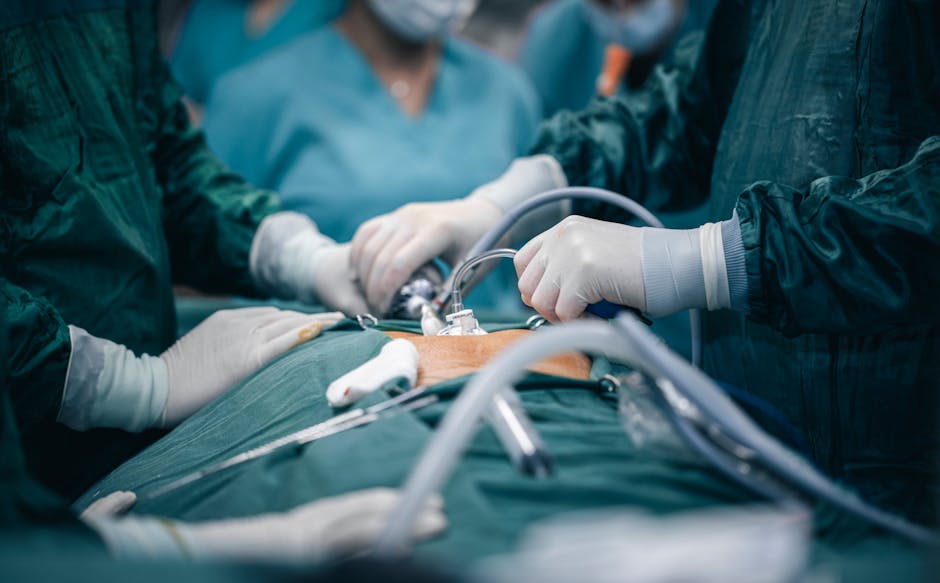
A laparoscopic hysterectomy is an advanced surgical approach. Instead of one large abdominal incision, we make several small cuts—usually three to four tiny openings about half an inch long.
Through one incision, we insert a laparoscope—a tiny camera providing a clear view of your pelvic organs on a high-definition screen. Other openings allow us to use specialized tools to carefully remove your uterus. This minimally invasive technique is why laparoscopic hysterectomy recovery is often smoother than traditional open surgery.
If you’re curious about the broader picture, What is a Hysterectomy? explains the basics, while the American College of Obstetricians and Gynecologists offers detailed information about different types of hysterectomy procedures.
After surgery, the hospital stay is typically one to three days, with some patients going home the same day. It’s normal to feel drowsy, queasy, or have a sore throat from the breathing tube used during the procedure.
Many patients are surprised by shoulder pain. This is temporary and not a shoulder injury. During surgery, we use gas to inflate your abdomen for better visibility, which can irritate nerves connected to your shoulder. Walking helps your body absorb the gas, and the pain usually resolves in a day or two.
You might also have a catheter for the first day to help your bladder recover from anesthesia.
The First 24-48 Hours: Your Laparoscopic Hysterectomy Recovery in the Hospital
The first 24-48 hours in the hospital are crucial for your laparoscopic hysterectomy recovery. Our nursing team will monitor you and ensure your pain is well-managed. Since everyone responds differently to anesthesia, let us know if you feel nauseated or drowsy so we can help you feel more comfortable.
Don’t be alarmed by a small amount of pinkish fluid from your incisions or light vaginal spotting—this is a normal part of healing.
While it may be difficult, early mobilization is vital. We’ll encourage short walks, which help prevent blood clots, improve circulation, and resolve shoulder pain faster.
We’ll also teach you simple deep breathing exercises to keep your lungs clear and prevent respiratory issues.
Your meals will progress from clear liquids to regular food as you feel ready. For more insight into different surgical approaches, you can explore our guide on Types of Hysterectomy.
Types of Laparoscopic Hysterectomies
Understanding your specific type of laparoscopic hysterectomy helps you know what to expect during recovery. These are variations on the same minimally invasive theme.
Total Laparoscopic Hysterectomy (TLH) removes the uterus and cervix through small incisions. It’s a common approach for fibroids, endometriosis, or persistent abnormal bleeding.
Laparoscopically Assisted Vaginal Hysterectomy (LAVH) combines laparoscopic and vaginal techniques. We use the laparoscope to detach the uterus, then remove it through the vagina. This approach often leads to the fastest recovery with minimal complications.
Supracervical hysterectomy removes the upper uterus but leaves the cervix. Some women choose this to potentially preserve sexual function or for a quicker recovery. Regular cervical cancer screenings are still necessary.
Robotic-assisted surgery is an advanced laparoscopic technique using a robotic system for improved precision and 3D visualization. The laparoscopic hysterectomy recovery timeline is similar to traditional methods, with excellent results. Learn more in our guide on Robotic Surgery for Uterus Removal.
Each approach has its advantages, and we’ll discuss which option is best for your unique situation and health goals during your consultation.
Your Week-by-Week Laparoscopic Hysterectomy Recovery Timeline
Every woman’s healing journey is unique. While this is a general roadmap for your laparoscopic hysterectomy recovery, your body will heal at its own pace. Full recovery typically takes 4 to 6 weeks, but many feel significantly better much sooner. Recovery is gradual, and your energy levels, initially low, usually return to normal within 6 to 8 weeks. Rest is not just recommended—it’s essential for proper healing.

If you’re interested in learning more about the recovery process, especially for robotic-assisted procedures, I encourage you to read our detailed guide: Recovery from Robotic Hysterectomy Week by Week.
Weeks 1-2: The Initial Healing Phase at Home
The first two weeks are often the toughest part of your laparoscopic hysterectomy recovery. It’s normal to feel extreme fatigue, and simple tasks may be exhausting. Your small abdominal incisions will likely be sore and tender, and light vaginal bleeding is also normal for several weeks.
We’ll provide adequate pain medication to keep you comfortable. Most patients need it regularly for the first week and taper off during the second. Take your medication as prescribed. Daily walking is crucial; start with short walks around the house and gradually increase your distance. Gentle movement speeds up healing.
During these first two weeks, you must avoid:
- Heavy lifting over 10 pounds (about a gallon of milk)
- Strenuous exercise like jogging or aerobics
- Pushing or pulling heavy objects like vacuum cleaners
- Bending from the waist; bend at your knees instead
Your body is working hard to heal, so please be patient with yourself.
Weeks 3-4: Increasing Activity and Regaining Strength
During weeks 3 and 4, you’ll likely notice your energy slowly returning. The pain should be much more manageable, and many patients stop prescription pain medication. You’ll probably feel ready to increase your walking distance and take longer strolls.
Light activities around the house, like preparing simple meals, become possible again. If you have a desk job, you might consider returning to work, perhaps with shorter days or from home.
Driving is possible once you are no longer taking narcotic pain medication and can turn comfortably to check blind spots without pain.
For more practical advice on navigating this exciting phase of recovery, check out our Hysterectomy Recovery Tips.
Weeks 4-6 and Beyond: Approaching Full Recovery
By this point, you should be feeling much better and more like yourself, though perhaps with a bit less stamina. You can resume most normal activities, but always get our clearance before starting an exercise program. Gentle activities like swimming and yoga are usually fine once incisions are fully healed (around 2-3 weeks post-op).
Even if you feel great, your full energy levels may not return completely for 6 to 8 weeks post-surgery. This is also an excellent time to focus on pelvic floor exercises, which we’ll discuss later.
Healing isn’t always linear; good days may be followed by tired days, and that’s normal. For comprehensive information about what to expect at home, MedlinePlus offers excellent resources: More on what to expect at home.
Managing Your Recovery at Home: A Practical Guide
Successful laparoscopic hysterectomy recovery depends on your self-care at home. We’ll guide you through pain control, diet, incision care, bowel management, and emotional well-being.
Pain and Discomfort Management
Pain is a natural part of healing but should be manageable. We’ll prescribe pain medicine for the initial weeks. Later, you can switch to over-the-counter options like ibuprofen or acetaminophen, following dosage instructions. Don’t combine pain medicines unless we instruct you to.
For shoulder pain from surgical gas, gentle walking and a heating pad can provide relief. Holding a pillow over your incisions when coughing or sneezing provides support and decreases discomfort. You can find more comprehensive advice on managing your post-operative comfort here: Hysterectomy Recovery.
Incision and Wound Care
Proper incision care is crucial to prevent infection. Your small incisions are typically covered with dressings or surgical tape.
- Showering: You can usually shower 24 to 48 hours after surgery. Gently wash the incision areas with mild soap and water, then pat them dry.
- Baths/Hot Tubs: Avoid baths, swimming, or hot tubs for at least 2 weeks, or until we say it’s safe, to reduce infection risk.
- What to Avoid: Do not use hydrogen peroxide, alcohol, oils, or lotions on your incisions, as they can cause irritation.
- Tape Strips: Let tape strips fall off naturally (usually within a week). If they remain after 10 days, you can gently remove them unless we advise otherwise.
- Signs of Infection: Watch for increased pain, swelling, warmth, redness, red streaks, or pus draining from an incision.

Diet, Hydration, and Bowel Movements
During your laparoscopic hysterectomy recovery, focus on a diet that supports healing and prevents constipation, which can strain your abdominal muscles.
- Preventing Constipation: Anesthesia, pain medications, and reduced activity can all contribute to constipation.
- High-Fiber Foods: Eat plenty of high-fiber foods like whole grains, fruits, and vegetables.
- Hydration: Drink at least 8 cups (2 liters) of water daily to keep stools soft.
- Stool Softeners: We may recommend a mild laxative or stool softener if needed.
- Avoiding Straining: Do not strain during bowel movements. Hold a pillow over your abdomen for support if necessary.
Smaller, more frequent meals can be easier on your digestive system. If your stomach is upset, stick to bland, low-fat foods.
Navigating Long-Term Changes and When to Call Your Doctor
Your laparoscopic hysterectomy recovery continues even after you feel physically healed. Understanding long-term changes and knowing when to call us provides peace of mind. We’ll schedule regular follow-up appointments to check your progress and answer questions. We are your partners in this journey for the long haul. For general guidance on maintaining your gynecologic health, you might find this helpful: When to Visit an ObGyn.
Signs of Complications to Watch For
Serious complications are rare, but know the warning signs. Please call us with any concerns—it’s better to be safe. For true emergencies, call 911. Contact us if you experience any of these red flags:
- Fever above 100.5°F
- Increased redness, swelling, warmth, or pus from your incisions
- Heavy vaginal bleeding (soaking more than one pad per hour for two hours)
- Foul-smelling vaginal discharge
- Severe abdominal pain not relieved by medication
- Difficulty breathing or a persistent cough
- Leg pain, swelling, or redness in one leg (could be a blood clot)
Call 911 immediately for chest pain, passing out, or coughing up blood.
Long-Term Effects After Laparoscopic Hysterectomy Recovery
A hysterectomy brings significant life changes. Understanding what to expect can help you accept this new phase with confidence.
If your ovaries were removed, you’ll enter surgical menopause. Symptoms like hot flashes, night sweats, mood swings, and vaginal dryness may occur. We offer effective options like Hormone Replacement Therapy (HRT) to manage these. If your ovaries remain, they’ll function until natural menopause. Learn more about this transition here: What is Perimenopause?.
Many patients worry about changes in sexual function. If you had pain or heavy bleeding before surgery, your sex life often improves after healing. We can treat issues like decreased libido or vaginal dryness.
One change our patients love is no more periods! With your uterus removed, monthly cycles are a thing of the past.
Pelvic floor health is crucial after a hysterectomy. Pelvic floor exercises support your remaining organs and help maintain bladder control. We’ll guide you on the best approach.

Frequently Asked Questions about Laparoscopic Hysterectomy Recovery
We hear many common questions during laparoscopic hysterectomy recovery. These concerns are normal, and we’re here to provide clear answers to help you feel confident in your healing.
When can I return to work?
Returning to work depends on your job and your individual healing pace. Don’t worry if your timeline differs from others.
- Desk Job: You can often return after 2 to 4 weeks. Consider starting with reduced hours or working from home.
- Physically Demanding Job: You’ll typically need 6 to 8 weeks or longer. Heavy lifting or strenuous activity requires full healing.
Always get our clearance before returning to work. Listen to your body and don’t push yourself too soon.
When can I resume sexual intercourse?
This is a very common question. Your body needs time to heal internally. We recommend waiting at least 8 to 12 weeks before resuming sexual activity, and only after receiving medical clearance. This time is crucial for your internal stitches and vaginal cuff (if the cervix was removed) to heal completely.
During this healing period, we advise vaginal rest, meaning nothing inserted into the vagina (no tampons, douching, or intercourse). Resuming activity too soon can cause serious complications.
When you get clearance, it’s normal to feel apprehensive. Some women experience vaginal dryness, especially if their ovaries were removed. Open communication with your partner and using lubricants can make a significant difference.
What is the role of pelvic floor exercises?
Pelvic floor exercises (Kegels) are vital for long-term health after a hysterectomy. These muscles act as a supportive hammock for your pelvic organs.
These exercises strengthen your pelvic muscles, which support your bladder, bowel, and vagina. Strong pelvic floor muscles can prevent future prolapse and improve bladder control, helping to manage or prevent urinary incontinence.
You can typically start gentle pelvic floor exercises as soon as you feel comfortable. We’ll provide specific guidance on technique and timing. These simple exercises can be done anywhere. For more detailed information, explore our resources on Female Incontinence.
Taking care of your pelvic floor health is an investment in your future comfort.
Conclusion
Your laparoscopic hysterectomy recovery is a testament to your body’s ability to heal. While the first few weeks can be overwhelming, each day brings you closer to feeling like yourself again.
Recovery isn’t a race; some days will be better than others, and that’s okay. Patience with yourself is the most important medicine. Your body has undergone a significant procedure and deserves gentle time to heal.
Self-care is essential during this time. Listen to your body by taking naps, asking for help, or declining demanding activities. Following our medical advice, like avoiding heavy lifting, is your roadmap to a smooth recovery.
As you return to normal activities, celebrate small victories: the first day without pain medication, laughing without discomfort, or having the energy to cook dinner. These are all meaningful milestones.
Maintaining a positive outlook means trusting the healing process and believing you’ll emerge stronger and healthier.
Here at South Lake OB/GYN, we walk alongside our patients throughout their entire journey. Our compassionate team understands every woman’s experience is unique, and we provide the personalized guidance and support you need. We foster a family-like atmosphere where your health and comfort are our priorities, from your first consultation to your complete recovery and beyond.
For continued support and comprehensive information about your healing journey, Learn more about your Hysterectomy Recovery.