

What Is Recovery Time for Robotic Hysterectomy?
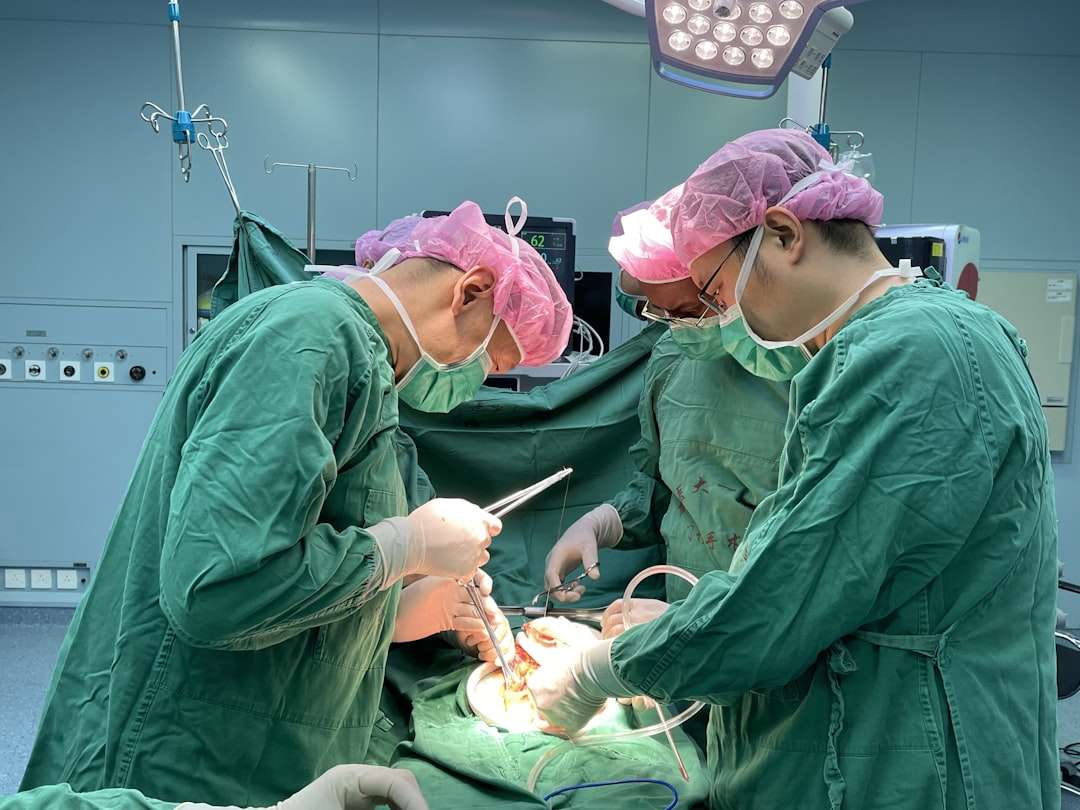
Caption: Header image illustrating a calm, supportive recovery environment after minimally invasive robotic hysterectomy—highlighting smaller incisions and faster healing.
Filename: robotic-hysterectomy-recovery-header.jpg
What is recovery time for robotic hysterectomy is one of the most common questions women ask. The good news is that this advanced surgical approach means less pain, minimal scarring, and a significantly faster recovery compared to traditional open surgery.
Quick Answer:
- Hospital Stay: Most patients go home the same day or stay one night.
- Light Activities: Resume within 1-2 weeks.
- Return to Work: Typically 2 weeks for desk jobs, 4-6 weeks for more physical roles.
- Full Recovery: 4-6 weeks on average.
- Sexual Activity: Wait 6 weeks for complete internal healing.
Many women delay treatment for gynecologic concerns because they worry about long hospital stays and extended bed rest. Robotic hysterectomy has changed that reality. While recovery varies for each woman, understanding the general timeline helps you plan ahead and heal with confidence.
As Dr. Matthew Casavant, the first certified robotic surgeon at South Lake Hospital with over two decades of experience in advanced minimally invasive surgery, I’ve guided countless women through this process. This guide walks you through what you can realistically expect during your healing journey.

Caption: A general week-by-week recovery timeline for robotic hysterectomy, highlighting key milestones for returning to normal activities.
Filename: robotic-hysterectomy-timeline-infographic.jpg
Understanding the Robotic Hysterectomy Procedure
Understanding what happens during a robotic hysterectomy can ease much of the anxiety around surgery. Instead of one large incision, your surgeon operates from a sophisticated console, controlling a state-of-the-art robotic surgical system. Your surgeon is in complete control at all times, but with improved capabilities.
The system uses robotic arms with tiny, “wristed” instruments that bend and rotate with greater dexterity than the human hand. A high-definition 3D camera provides a magnified, crystal-clear view of the surgical site. This allows for exceptional precision when working around delicate tissues.
During the procedure, the surgeon makes a few small incisions in your abdomen, each less than an inch long. Through these openings, the robotic instruments carefully detach the uterus, which is then typically removed through the vagina. This approach significantly reduces trauma to your body, which is why what is recovery time for robotic hysterectomy is so much shorter. Less tissue damage means your body has less healing to do.
To learn more about this technology, explore our resources on robotic surgery for uterus removal and the advantages of minimally invasive gynecologic surgery.

Caption: Robotic surgery uses small incisions, leading to a faster and less painful recovery.
Filename: robotic-vs-open-hysterectomy-incisions.jpg
Robotic vs. Traditional Open Hysterectomy
The difference between robotic and traditional open hysterectomy is night and day. Open surgery requires a large abdominal incision (5-7 inches), cutting through multiple layers of tissue. This leads to more blood loss, greater post-operative pain, and a much longer healing period.
The contrast with robotic surgery is remarkable:
| Feature | Robotic Hysterectomy | Traditional Open Hysterectomy |
|---|---|---|
| Incision Size | Small cuts (usually 1-4, less than an inch each) | Large incision (5-7 inches) |
| Hospital Stay | Same day or overnight | 3-5 days or more |
| Blood Loss | Significantly less | More |
| Pain Level | Less pain, managed with medication | More significant pain |
| Recovery Time | 4-6 weeks for full recovery | 6-8 weeks or longer |
With robotic hysterectomy, you can expect significantly less pain, dramatically reduced blood loss, and a lower risk of infection. Most of our patients go home the same day or after one night, return to light desk work within two weeks, and resume most normal activities within four to six weeks.
Robotic vs. Laparoscopic Hysterectomy
Both robotic and laparoscopic hysterectomies are minimally invasive, but the robotic approach offers key advantages. Traditional laparoscopy uses rigid instruments and provides the surgeon with a 2D view on a flat monitor. The instruments have a limited range of motion, which can be challenging in complex cases.
Robotic hysterectomy lifts this with a high-definition 3D view and up to 15 times magnification, giving your surgeon superior depth perception. The “wristed” instruments move with seven degrees of freedom, exceeding the natural dexterity of a human hand. This allows for extremely precise movements, especially in patients with obesity, complex anatomy, or endometriosis.
While some studies suggest robotic surgery can take longer, this is often not the case with experienced surgeons. With Dr. Casavant’s extensive expertise, our robotic procedures are consistently efficient and precise. The robotic system’s advantages in precision, visualization, and surgeon comfort ultimately benefit you, the patient. To learn more, visit our page about what is minimally invasive gynecologic surgery.
What is the Typical Recovery Time for a Robotic Hysterectomy?
If you’re wondering what is recovery time for robotic hysterectomy, the answer is one of the best parts of choosing this modern approach. Most women achieve full recovery within four to six weeks, significantly faster than the eight weeks or more needed after traditional open surgery. You won’t be confined to bed; in fact, most patients are up and moving within hours and resuming light activities in a week or two.
Your personal timeline depends on your overall health, the specifics of your surgery, and your body’s natural healing process. Some women bounce back quickly, while others need the full six weeks. Both experiences are normal. For a detailed look at each phase, our guide on recovery from robotic hysterectomy week by week offers more insight.
The First 24-48 Hours: In the Hospital and Heading Home
Immediately after surgery, you’ll spend a couple of hours in a recovery unit where our team will monitor you and manage your pain. A surprising fact for many women is that most of our patients go home the same day. If you’re feeling well, you can recover in the comfort of your own home. An overnight stay is also an option if needed.
You may experience some discomfort, nausea, or bloating, which are normal and temporary. We’ll provide medication and encourage you to start walking as soon as you’re able. Gentle movement is one of the best things for your recovery, as it helps prevent blood clots and gets your digestive system working again. You can also eat regular foods as tolerated. For more information, visit our hysterectomy recovery page.
Weeks 1-2: Key Milestones in Your Robotic Hysterectomy Recovery Timeline
The first two weeks are about listening to your body and gradually reintroducing light activities. You’ll still feel tired, but you should notice steady improvement each day.
Daily walking is essential. Start with short walks around your home and try to go a little farther each day. This gentle exercise promotes circulation and helps you regain energy without overdoing it. Many women can resume driving within a week (as long as they are off narcotic pain medication) and light activities like simple meal prep.
Most patients with desk jobs return to work about two weeks after surgery. If your job is physically demanding, you’ll need to wait four to six weeks. We will help you determine the right timeline for your situation during your post-operative checkup one to two weeks after surgery. During this time, keep your incisions clean and dry. You can shower, but avoid baths or swimming to reduce infection risk.
Weeks 3-6: Approaching Full Recovery
By week three, most women feel a noticeable shift as fatigue lifts and pain subsides. You can continue to gradually increase your activity levels, such as taking longer walks. However, you must still avoid strenuous exercise and heavy lifting (anything over 15-20 pounds).
Full recovery typically occurs between four and six weeks post-surgery. This timeframe is crucial for internal healing, especially for the vaginal cuff if your cervix was removed. Even if you feel great, your body needs this full period for internal tissues to mend properly. Your small external incisions heal much faster than the internal ones.
By week six, most women are cleared to resume all normal activities, including exercise and sexual activity. For more information about the procedure, visit our main hysterectomy page.
Managing Your Recovery: Activities and Symptoms
Recovery from robotic hysterectomy is a journey, and understanding what to expect can make it smoother. While the process is faster than traditional methods, your body still needs time to heal.
Common symptoms include:
- Pain: Discomfort is expected but is typically much less intense than with open surgery. It’s manageable with prescribed medication, and many patients switch to over-the-counter options within a week. You may also feel temporary shoulder pain from the gas used during surgery; walking helps it resolve.
- Vaginal Discharge: Light bleeding or pink/brown discharge is normal for several days to a few weeks as your body heals.
- Fatigue: Your body is working hard to heal internally, so feeling tired is very common. Listen to your body and rest when you need to.
- Bloating and Constipation: Anesthesia can slow your digestive system. Staying hydrated and walking frequently will help.
- Emotional Changes: It’s normal to feel a range of emotions, from relief to sadness. These feelings are valid. If they become overwhelming, please reach out to us. Learn more on our page about hysterectomy side effects.

Caption: Gentle movement like walking is crucial for a smooth recovery process.
Filename: walking-during-hysterectomy-recovery.jpg
Activities to Avoid During Recovery
To protect your body while it heals, certain restrictions are essential:
- No Heavy Lifting: Avoid lifting anything over 15-20 pounds for four to six weeks. This includes groceries, laundry baskets, and even small children.
- No Strenuous Exercise: Postpone gym workouts, running, and heavy housework until you are cleared by your doctor.
- No Soaking in Water: Avoid tub baths, hot tubs, and swimming for at least two weeks to prevent infection. Showers are fine.
- Nothing in the Vagina: Do not use tampons or have sexual intercourse for at least six weeks to allow the internal vaginal cuff to heal completely.
When Can You Resume Sexual Activity?
The standard recommendation is to wait at least six weeks before resuming sexual intercourse. This waiting period is crucial for the vaginal cuff (where the cervix was removed) to heal completely. Rushing this can lead to serious complications. Once you receive clearance at your follow-up appointment, you can gradually resume intimacy. Some women experience vaginal dryness, which can be managed with over-the-counter lubricants. Encouragingly, many women find their sex life improves after recovery, as they are no longer dealing with the symptoms that led to surgery.
What is the recovery time for a robotic hysterectomy when returning to work?
What is recovery time for robotic hysterectomy when it comes to your job? The answer depends on your role.
- For desk jobs, most patients return to work about two weeks after surgery.
- For jobs involving physical labor, heavy lifting, or prolonged standing, you should plan for four to six weeks off.
We will work with you to determine the right time for your return. Some women find a gradual return, such as starting with half-days, is helpful.
Tips for a Smooth and Speedy Recovery
Taking an active role in your recovery can help you feel better faster. These tips are your roadmap to getting back to feeling like yourself.
- Fuel Your Healing with Nutrition: A balanced diet rich in protein, fruits, and vegetables provides the building blocks for tissue repair. Fiber is also important to prevent constipation and straining. Drink plenty of water.
- Prioritize Sleep: Your body does its most intensive repair work while you sleep. Aim for at least eight hours a night. Take pain medication before bed if discomfort is keeping you awake.
- Walk Every Day: Gentle movement is crucial. Start with short, slow walks around your home and gradually increase the distance. Walking prevents blood clots, stimulates digestion, and rebuilds stamina.
- Listen to Your Body: This is the most important rule. If something hurts, stop. If you’re tired, rest. Pushing through pain or fatigue can set back your recovery.
- Manage Pain Proactively: Stay ahead of pain by taking your medication on schedule for the first few days, rather than waiting for discomfort to become severe.
- Keep Incisions Clean: Wash your small incision sites gently with soap and water in the shower and pat them dry. Watch for signs of infection like increased redness, swelling, or drainage.
- Accept Help: Let friends and family assist with chores and errands. You are healing from major surgery, and you need to conserve your energy.
- Attend Follow-Up Appointments: These visits allow us to monitor your healing, address concerns, and clear you for more activities.
For more guidance, explore our hysterectomy recovery tips and these Tips from a gynecological surgeon on recovery.

Caption: Proper nutrition and hydration are essential for your body to heal effectively.
Filename: healthy-diet-for-surgery-recovery.jpg
Factors That Can Influence Your Recovery
While the typical what is recovery time for robotic hysterectomy is four to six weeks, every woman’s journey is unique. Factors that can influence your healing include your overall health before surgery, age, BMI, and the specific reason for the hysterectomy (e.g., fibroids, endometriosis). The complexity of the surgery and the surgeon’s expertise also play a role. Complications, though rare with robotic surgery, can also extend recovery time. Our page on types of hysterectomy provides more detail.
Total vs. Partial Hysterectomy Recovery
The type of hysterectomy you have can subtly influence recovery. A total hysterectomy removes the uterus and cervix, creating a “vaginal cuff” that needs about six weeks to heal. This is the main reason for the six-week restriction on sexual activity. A supracervical (or partial) hysterectomy leaves the cervix intact. While there is no vaginal cuff, similar restrictions on heavy lifting and strenuous activity still apply to allow all internal tissues to heal properly. You can learn more on our supracervical hysterectomy page. Regardless of the type, the core recovery principles of rest and gentle movement remain the same.
Frequently Asked Questions about Robotic Hysterectomy Recovery
It’s natural to have questions as you prepare for surgery. Here are answers to the ones we hear most often.
How much pain should I expect after a robotic hysterectomy?
You will have some pain, but it is significantly less than with traditional open surgery. Most patients find it manageable with the prescribed pain medication, often switching to over-the-counter options within a few days. It’s also common to experience temporary shoulder pain from the surgical gas used; walking helps this resolve quickly.
How long will I have vaginal bleeding or discharge?
Light vaginal bleeding, spotting, or a pink/brown discharge is normal and can last from several days to a few weeks. Use sanitary pads, not tampons. Contact us right away if you experience heavy bleeding (soaking a pad in an hour), foul-smelling discharge, or a sudden increase in bleeding.
Will I enter menopause after my hysterectomy?
This depends on whether your ovaries are removed during the surgery.
- If your ovaries are preserved, you will not enter menopause. They will continue to produce hormones, and you will experience menopause naturally later in life.
- If your ovaries are removed (an oophorectomy), you will experience surgical menopause immediately. We will discuss this with you thoroughly before surgery, including options like hormone replacement therapy (HRT) to manage symptoms.
Your Partner in Health and Recovery
Understanding what is recovery time for robotic hysterectomy helps you plan with confidence. This advanced procedure offers a significantly faster and more comfortable recovery than traditional surgery, with most patients returning to light activities in one to two weeks and achieving a full recovery in four to six weeks.
Your healing journey is unique, and we are committed to supporting you every step of the way. By following our guidance and listening to your body, you set yourself up for the smoothest possible recovery.
At South Lake OB/GYN, we provide personalized, compassionate care in a family-like atmosphere here in Clermont, FL. We believe in open communication, ensuring every question is answered and every patient feels heard.
Dr. Matthew Casavant, with over two decades of experience as the first certified robotic surgeon at South Lake Hospital, brings unparalleled expertise to your care. Our entire team is here to provide the supportive environment you deserve.
Whether you are exploring your options or are ready to schedule your procedure, we are here to guide you. For more details on this advanced procedure, please visit our page on robotic surgery for uterus removal. Your health and peace of mind are our top priorities.