


Robotic Hysterectomy Recovery: Understanding Your Timeline and What to Expect
Alt text: Person resting at home after a robotic hysterectomy with small abdominal bandages, representing a calm recovery environment.
Caption: Robotic surgery’s tiny incisions support faster, more comfortable recovery at home.
Filename: robotic-hysterectomy-recovery-header.jpg
Robotic hysterectomy recovery offers significant advantages over traditional surgery, with most patients experiencing faster healing and less discomfort. Understanding what lies ahead can help you feel confident and prepared for your journey back to full health.
Quick Recovery Overview:
- Hospital stay: Same day discharge or overnight stay
- Return to light activities: 24-48 hours
- Back to desk work: 2 weeks
- Full recovery: 4-6 weeks
- Key restrictions: No lifting over 15 lbs for 6 weeks, no sexual activity for 6 weeks
Most patients are surprised by how quickly they bounce back compared to traditional open surgery. While robotic hysterectomy recovery varies for each person, the minimally invasive approach typically means smaller incisions, less blood loss, and reduced pain.
You’ll likely experience some fatigue and mild discomfort in the first few days, but many women find they’re walking comfortably within 24 hours. The small incisions – usually just 1cm each – heal faster and leave minimal scarring.
I’m Dr. Matthew Casavant, and as South Lake Hospital’s first certified robotic surgeon with over 10 years of experience in minimally invasive surgery, I’ve guided countless women through successful robotic hysterectomy recovery journeys. My goal is to help you understand exactly what to expect so you can focus on healing with confidence.
Robotic hysterectomy recovery word list:
Think of it like this: traditional open surgery is like repairing a car engine by lifting the whole hood and getting right in there, which is effective but leaves a big mark and takes a long time to put back together. Robotic surgery, on the other hand, is like using specialized, tiny tools through small openings to fix the same problem with incredible precision, leading to a much smoother and quicker return to the road. This innovative approach is fundamentally changing what robotic hysterectomy recovery looks like for our patients.
Understanding Robotic Hysterectomy: A Modern, Precise Approach
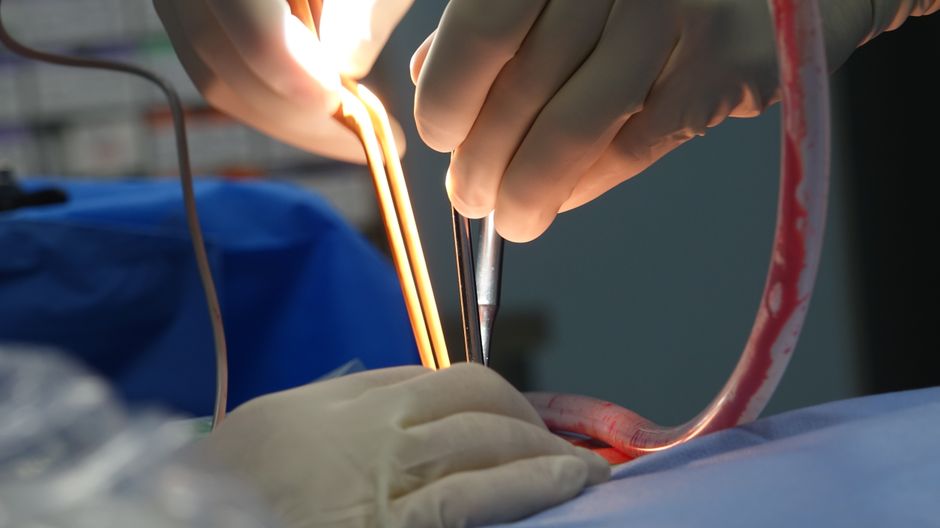
Robotic hysterectomy is a leap forward in surgical precision and patient comfort. This minimally invasive technique uses the da Vinci Surgical System to remove the uterus through a few tiny incisions, unlike the large cut required in traditional open surgery.
Alt text: Comparison of incision sizes for robotic versus open hysterectomy.
Caption: Robotic surgery uses tiny incisions, leading to less scarring and a quicker recovery.
Filename: robotic-vs-open-hysterectomy-incisions.jpg
Here’s what makes this approach special: your surgeon maintains complete control. The robot doesn’t act alone; it serves as an advanced set of surgical tools. From a console, your surgeon views the area in magnified, 3D high-definition—15 times clearer than the human eye. The robotic instruments mimic the surgeon’s hand movements with 360-degree rotation and eliminate natural tremors, allowing for incredible accuracy around delicate tissues.
Compared to open surgery, the difference is remarkable. A traditional hysterectomy requires a 5- to 7-inch abdominal incision, leading to significant pain, a 2-3 day hospital stay, and a 6-8 week recovery. While laparoscopic surgery is an improvement over open surgery, it provides surgeons with only a 2D view and less dexterity than robotic surgery.
Research shows that robotic procedures result in significantly less blood loss, shorter hospital stays, and lower readmission rates (1.00% vs. 2.58% for laparoscopic and 3.52% for open surgery).
| Feature | Robotic Hysterectomy | Laparoscopic Hysterectomy | Open Hysterectomy |
|---|---|---|---|
| Incision Size | Small (e.g., 5 tiny incisions, ~1cm each) | Small (e.g., 3-4 small incisions) | Large (5-7 inches across abdomen) |
| Blood Loss | Significantly lower (mean ~108 mL) | Higher than robotic (mean ~315 mL) | Highest (mean ~319 mL) |
| Hospital Stay | Often same-day discharge or overnight | Often same-day discharge or overnight | Typically 2-3 days |
| Recovery Time | 4-6 weeks (full), 2 weeks (light work) | 2-4 weeks (full), 1-2 weeks (light work) | 6-8 weeks or more |
| Precision/View | Improved 3D, high-definition, magnified (15x) view | 2D view, less dexterity | Direct visualization |
| Readmission Rate | Lower (1.00% for benign disease) | Higher than robotic (2.58% for benign disease) | Highest (3.52% for benign disease) |
What are the benefits of a robotic hysterectomy?
The advantages of robotic surgery lead to a smoother robotic hysterectomy recovery. Key benefits include:
- Less blood loss: Your body recovers faster, and the need for a blood transfusion is rare.
- Shorter hospital stay: Many patients go home the same day, a significant improvement over the multi-day stays required for open surgery.
- Reduced pain: Patients typically need less strong pain medication and feel more comfortable during healing.
- Lower infection risk: Tiny incisions heal faster and are easier to keep clean than large wounds.
- Minimal scarring: Instead of a long abdominal scar, you’ll have a few small marks that fade significantly.
- Quicker return to daily activities: Most patients can drive within a week and return to desk jobs in two weeks.
What are the potential risks?
While robotic hysterectomy is very safe, all surgery presents risk, and we believe in being fully transparent. Potential risks include reactions to anesthesia, infection at an incision site, and bleeding. Though rare due to improved precision, injury to nearby organs like the bladder or bowel is possible. Blood clots can form after any surgery, which is why we encourage walking soon after your procedure.
Our team takes every precaution to minimize these risks. Your safety is our top priority, and we will discuss your specific health profile and any concerns during your consultation.
Your Week-by-Week Robotic Hysterectomy Recovery Timeline
Understanding your robotic hysterectomy recovery timeline can ease pre-surgery jitters and help you plan. While every woman’s healing pace is unique, most patients follow a predictable path back to feeling like themselves. Full recovery typically takes just four to six weeks—significantly faster than with traditional open surgery.
Fatigue is a constant companion in the early weeks; this is a normal sign that your body is working hard to heal. Be patient with yourself and trust the process.

Alt text: A 6-week timeline showing recovery milestones after a robotic hysterectomy.
Caption: Follow a general timeline, but always listen to your body and your doctor’s specific advice.
Filename: robotic-hysterectomy-recovery-timeline.jpg
The First 24-48 Hours: Hospital and First Steps
Many patients go home the same day, while some stay overnight. Feeling groggy after anesthesia is expected. You might also experience gas pain, which can strangely manifest as shoulder pain. This is caused by gas used during surgery irritating your diaphragm and usually resolves in a few days.
Your most important task is to take gentle walks. Even a few steps around your room helps prevent blood clots and kick-starts your robotic hysterectomy recovery. We’ll also ensure your pain is managed and you stay hydrated.
Weeks 1-2: Navigating Early Robotic Hysterectomy Recovery at Home
These first two weeks are about giving your body permission to rest. You’ll feel more tired than usual as your body channels energy toward healing. Light activity, like short, gentle walks, is your best friend. Start small and gradually increase the distance as you feel stronger, but avoid exhaustion.
Light pink, brown, or watery vaginal discharge is normal during this time. We’ll provide simple instructions for keeping your small incisions clean and dry. Many women with desk jobs can return to work around the two-week mark, as long as they avoid heavy lifting. Listen to your body—some days you’ll feel energetic, and others you’ll need a nap.
Weeks 3-6: Building Strength and Returning to Normal
This is when you’ll start feeling more like yourself again. Your energy levels will noticeably increase. You can extend your walks and resume more normal daily activities. However, complete internal healing takes the full 4-6 weeks, so continue to be cautious.
Your post-operative checkup is a crucial appointment during this time. We’ll assess your healing and give you the official green light to resume more strenuous activities like full exercise routines, sexual activity, and lifting anything over 15 pounds. Waiting for our clearance is worth it to ensure your robotic hysterectomy recovery stays on track and you avoid setbacks.
Essential Dos and Don’ts for a Smooth Recovery
The key to a successful robotic hysterectomy recovery is how you care for yourself afterward. Patience and self-care are essential parts of your healing journey. Following your surgeon’s instructions precisely is the best way to prevent complications and feel like yourself again. It can be frustrating to slow down, but your body is working hard to heal.

Alt text: Icons showing dos and don’ts during hysterectomy recovery.
Caption: Following these guidelines helps prevent complications and supports healing.
Filename: hysterectomy-recovery-dos-and-donts.jpg
- Rest frequently. When you feel tired, listen to your body. Naps are a necessary part of healing.
- Walk gently and often. Short, frequent strolls promote circulation, prevent blood clots, and aid digestion.
- Stay well-hydrated. Drinking plenty of water supports healing and helps prevent constipation and straining.
- Eat fiber-rich foods. Fruits, vegetables, and whole grains also help prevent constipation. Stool softeners can be helpful in the first few weeks.
- Take medications as prescribed. Managing pain helps you heal better and move more comfortably.
- Use a pillow held against your abdomen for support when you cough or sneeze.
Activities to Avoid and For How Long
These temporary restrictions protect your healing tissues.
- Heavy lifting: Avoid lifting anything over 10-15 pounds for 4-6 weeks. This includes groceries, laundry baskets, and toddlers.
- Strenuous exercise: No vigorous workouts, running, or intense ab exercises for 4-6 weeks, or until your doctor gives clearance.
- Sexual intercourse: Wait the full 6 weeks to allow the vaginal cuff to heal completely. Also, do not insert anything into the vagina, including tampons.
- Baths and swimming: Wait about 2 weeks, or until your incisions are fully healed, to prevent infection. Showers are usually fine within 24-48 hours.
- Straining during bowel movements: Avoid this by staying hydrated and eating fiber.
Caring for Your Incisions and Scars
Minimal scarring is a major benefit of robotic hysterectomy recovery. The tiny incisions (less than 1 cm) are designed to heal with minimal fuss. Keep them clean and dry as instructed. Gently pat the areas dry after showering.
Watch for signs of infection, such as increased redness, swelling, warmth, pus-like drainage, or worsening pain, and call our office if you notice any. Your scars will initially appear pink or red but will flatten and fade over several months, often becoming barely noticeable.
Listening to Your Body: Physical and Emotional Well-being
Your robotic hysterectomy recovery is a journey for both your body and mind. Successful healing happens when you pay attention to both physical and emotional signals. It’s normal to feel like you’re on an emotional rollercoaster due to hormonal changes, the stress of surgery, and the life adjustments that come with a hysterectomy.
Building a strong support system is crucial. Whether it’s family, friends, or helpful health management tools like this app, having resources can make a real difference.
Red Flags: When to Call Your Doctor
While most robotic hysterectomy recovery experiences are smooth, some signals require immediate attention. We would rather you call with a concern that turns out to be nothing than for you to ignore something important. Call us right away if you experience any of the following:
- Fever over 100.4°F.
- Pain that suddenly worsens or doesn’t respond to medication.
- Heavy vaginal bleeding that soaks more than one pad per hour or includes large clots.
- Foul-smelling discharge from the vagina.
- Signs of incision infection, such as redness, warmth, swelling, or pus.
- Urinary issues, like trouble urinating, burning, or an inability to empty your bladder.
- Symptoms of a blood clot, such as shortness of breath, chest pain, or pain and swelling in one leg.
When in doubt, please call. Your peace of mind is important, and early intervention leads to better outcomes.
Managing the Emotional Impact of a Hysterectomy
The emotional side of robotic hysterectomy recovery can be complex. It’s normal to feel a mix of relief and grief.
Many patients feel tremendous relief, especially if they’ve suffered from chronic pain or heavy bleeding. At the same time, some women experience a sense of loss, mourning a change in their body and identity. These feelings are valid, especially if future pregnancies were hoped for.
Hormonal fluctuations can also affect your mood. If your ovaries were removed, you’ll enter surgical menopause. Even if they remain, hormone production can be temporarily disrupted. Talking with a partner, friend, or a support group can provide a much-needed outlet. Connecting with others who have been through it can be incredibly validating.
If you experience persistent sadness or anxiety, consider speaking with a counselor. Your emotional healing deserves the same care as your physical recovery. Be patient with yourself and know that we’re here to support every aspect of your journey.
Frequently Asked Questions about Robotic Hysterectomy Recovery
It’s natural to have questions about your robotic hysterectomy recovery. Here are straightforward answers to some of the most common ones we hear.
How painful is a robotic hysterectomy?
You will be under general anesthesia during the procedure and won’t feel anything. Afterward, some discomfort is normal as your body heals. However, most patients report that the pain is much more manageable than expected. It’s typically a dull ache or bloating rather than sharp pain. We will provide medication to keep you comfortable, and most women switch to over-the-counter options after a few days. The minimally invasive approach means less trauma to your body and therefore less pain.
How much bleeding is normal after surgery?
Light vaginal bleeding or spotting (pink, brown, or watery) is normal and can last for several days to a few weeks. This is part of the natural healing process. However, you should call us right away if you experience bleeding that is heavier than a normal period, soaks more than one pad per hour, or if you pass large blood clots. Use sanitary pads instead of tampons during this time to avoid interfering with healing.
When can I drive after a robotic hysterectomy?
Most patients can drive within about a week, but there are two firm rules: you cannot drive while taking narcotic pain medication, and you must be able to sit comfortably and make sudden movements (like braking) without pain. Once you meet both criteria, you can typically resume driving. We will confirm this is safe for you at your follow-up appointment.
Your Path Forward to a Healthier You
Your robotic hysterectomy recovery is more than just healing from surgery—it’s your path to reclaiming your life. The precision of robotic surgery, combined with faster recovery times, means you’re already on a better track compared to traditional approaches.
You are not on this journey alone. At South Lake OB/GYN, we combine exceptional medical care with genuine human connection. From your first consultation to your final follow-up, we provide personalized care that feels like family support.
The beauty of robotic hysterectomy recovery is how quickly most patients bounce back. By listening to your body and following our guidance, you’ll be back to your normal activities—and feeling better than you have in years—sooner than you might expect.
Your comfort, confidence, and complete recovery are what drive us. Ready to learn more? Learn more about your hysterectomy options and recovery by reaching out to our team today. Your path to a healthier you starts with a conversation.