


Your OB-GYN’s Secrets: Health Tips You Need to Know Now
A serene healthcare setting representing women’s wellness and preventive care.
womens-health-wellness-care.jpg
Why Your Gynecological Health Deserves Your Attention Right Now
Gynecological health tips are essential knowledge for every woman, yet many of us never learn the basics until something goes wrong. The good news? Many gynecological issues are preventable when you know what to do and feel comfortable asking questions.
Quick Answer: Essential Gynecological Health Tips
- Schedule annual wellness exams – Starting at age 21, even if you feel fine
- Practice gentle hygiene – Clean the vulva with water only; the vagina cleans itself
- Know your normal – Track your cycle and recognize unusual symptoms early
- Get screened regularly – Pap smears every 3 years, mammograms starting at 40 (or earlier if recommended)
- Listen to your body – Discuss painful periods, unusual discharge, or sexual discomfort with your doctor
- Wear breathable underwear – Cotton helps prevent infections
- Never douche – It disrupts your natural pH balance
- Practice safe sex – Use protection and get tested for STIs regularly
You shouldn’t have to feel embarrassed about asking questions or confused about what’s normal for your body. When it comes to sexual and reproductive health, your OB-GYN truly has seen and heard it all. The team at South Lake OB/GYN in Clermont, FL is here to support you, not to pass judgment.
This article shares preventive care strategies, daily habits, and key symptoms to watch for. You’ll learn which screenings you need and how modern medicine can help you feel your best at every stage of life.
As Dr. Matthew Casavant, I’ve spent over two decades helping women prioritize their gynecological health with compassionate, personalized care. My experience in minimally invasive gynecological surgery shows that educated patients who ask questions achieve the best health outcomes.
Let’s start with the fundamentals that every woman should know.
Gynecological health tips glossary:
Mastering the Fundamentals: Daily Care and Hygiene
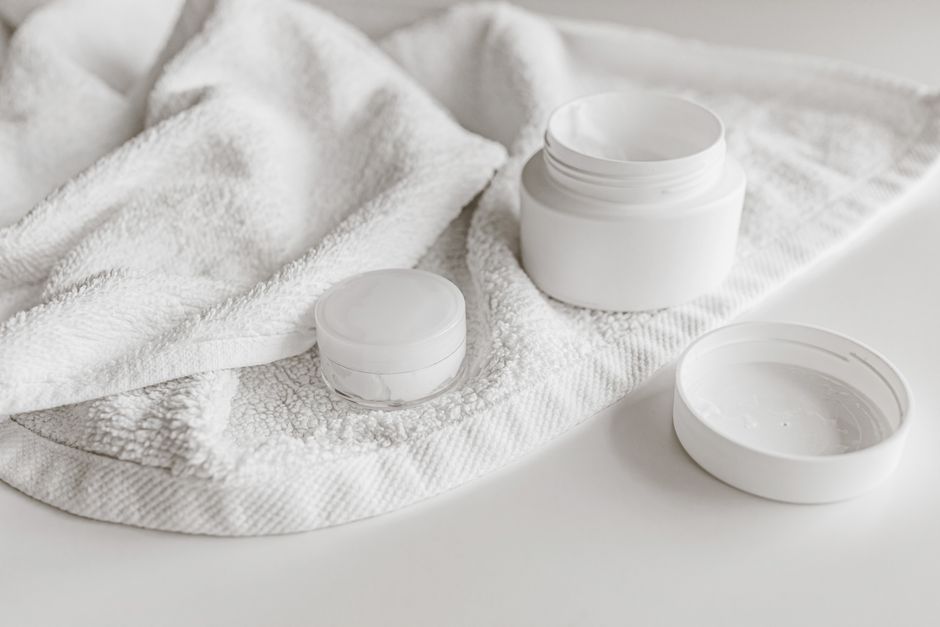
Gentle hygiene products representing proper daily care for gynecological health.
gentle-vaginal-hygiene-products.jpg
Maintaining good vaginal health and hygiene is often simpler than women expect. The key usually lies in what not to do, rather than adding more products or steps. Our bodies are incredibly smart and often take care of themselves when we give them the right environment.
Understanding Your Anatomy: Vulva vs. Vagina
The vulva and the vagina are not the same thing, and knowing the difference is crucial for proper care.
- The Vulva: This is the external part of your female anatomy. It includes your pubic mound, clitoris, labia (inner and outer folds), and the openings to your vagina and urethra. When we talk about “cleaning down there,” we are referring to the vulva.
- The Vagina: This is the internal muscular canal that connects your vulva to your cervix and uterus. It is the pathway for menstruation and childbirth.
Why does this distinction matter? Because the vagina is a self-cleaning organ. It maintains a delicate balance of yeast and bacteria (its natural flora) and a healthy pH level (typically between 3.8 and 5 for reproductive-aged women) without any special products. Putting soaps, fragrances, or other substances inside the vagina can disrupt this balance, leading to irritation and infections.
Essential Gynecological Health Tips for Hygiene
So, what are the best practices for keeping your intimate areas healthy?
- Gentle Washing is Key: For your vulva, simply wash daily with warm water. Soap is optional, but if you use it, choose a gentle, hypoallergenic, unscented option. Use your fingers rather than a washcloth, and wash the outside only – never inside your vagina.
- Avoid Douching: This is one of the most important gynecological health tips we can give. Douching, or rinsing the inside of your vagina with water or other fluids, is unnecessary and potentially harmful. It can upset your vagina’s natural pH balance, kill beneficial bacteria, and increase your risk of bacterial vaginosis and yeast infections.
- Wipe Front-to-Back: After using the toilet, always wipe from front to back. This helps prevent bacteria from your anus from entering your urethra or vagina, which can cause urinary tract infections (UTIs) or other vaginal infections.
- Choose Breathable Cotton Underwear: Cotton is breathable and less likely to trap moisture compared to synthetic fabrics like silk or polyester. Trapped moisture creates a warm, damp environment where bacteria and yeast can thrive. Consider wearing cotton underwear and avoiding very tight-fitting clothing. Going without underwear at night can also help promote airflow.
- Mindful Menstrual Hygiene: During your period, change menstrual products regularly. Sanitary pads should be changed every few hours, and tampons every 4 to 8 hours. Always use the lowest absorbency tampon needed. Properly dispose of used products by wrapping them and tossing them in a trash bin; never flush them. Tracking your period can also help you notice changes in flow or duration that might signal underlying health issues.
- Be Aware of Products: Be cautious of scented tampons, pads, liners, wipes, and other “feminine hygiene” products. These can contain chemicals or fragrances that irritate sensitive vulvar and vaginal skin. Some lubricants contain ingredients like glycerin, petroleum products, parabens, scents, or dyes that can disrupt your pH balance. Even certain condom spermicides can affect beneficial vaginal bacteria. Always read labels carefully.
- Understand Common Infections: Even with excellent hygiene, infections can sometimes occur.
- Yeast infections: These happen when there’s an overgrowth of yeast, often triggered by antibiotics or vaginal products that kill off too many beneficial bacteria. Signs include itching, a thick, white, or watery discharge, and a burning sensation during intercourse or urination. For more information, you can read about what to know about yeast infections.
- Bacterial vaginosis (BV): This occurs when certain types of bacteria outnumber the beneficial bacteria in the vagina. Symptoms might include itching, discharge, a fishy odor, or a burning feeling when urinating. You can learn more about understanding bacterial vaginosis.
If you suspect an infection, it’s always best to see your doctor for proper diagnosis and treatment rather than trying to self-treat repeatedly at home.
Proactive Prevention: The Power of Screenings and Check-Ups
One of the most important gynecological health tips we can offer is to use the power of proactive prevention through regular check-ups and screenings. These appointments are not only for when something feels wrong; they are critical for maintaining your overall health and catching potential issues early.
Key Screenings Every Woman Needs
Regular screenings are like your body’s early warning system. They can detect diseases before symptoms appear, often leading to easier, more effective treatment.
- Annual Wellness Exams: We recommend annual check-ups with your OB-GYN. These visits allow us to monitor your reproductive health, review medications, discuss concerns, and provide personalized advice. Building a trusting relationship with your provider makes it easier to share sensitive concerns and stay on track with care.
- Cervical Cancer Screening (Pap Smears & HPV Test): Cervical cancer is largely preventable thanks to screening tests and the HPV vaccine.
- Women should begin cervical cancer screenings at age 21 and have one every three years, unless your provider suggests otherwise.
- For women 30 or older, combining the Pap smear with an HPV test may be recommended. The HPV test screens for Human Papillomavirus (HPV), which is detected in the vast majority of cervical cancers.
- Pap tests help prevent cervical cancer by finding precancers and cell changes on the cervix.
- Mammograms (Breast Cancer Screening): Breast cancer will affect many women in their lifetime, and early detection is key.
- Women aged 40 and older are generally advised to begin regular mammograms. Your doctor may recommend earlier or more frequent screenings if you have specific risk factors or a strong family history.
- Bone Density Tests (Osteoporosis Screening): Osteoporosis, a condition that weakens bones, is common in women, particularly after menopause.
- These tests are generally recommended for women aged 65 and older, or earlier if you have risk factors such as a small body frame, certain medications, or a history of fractures.
- Colorectal Cancer Screening: While not strictly gynecological, colorectal screening is vital for women’s overall health.
- The American Cancer Society recommends that women at average risk begin colon cancer screenings at about age 45. Your primary care provider can help you choose the right test.
- Blood Pressure and Cholesterol Checks: High blood pressure and high cholesterol are key risk factors for heart disease, the leading cause of death among women.
- Regular screenings should begin in your 20s and continue at intervals recommended by your healthcare provider.
- Diabetes Screening:
- Women with certain risk factors should begin screening for diabetes starting around age 45, or earlier if risk is higher.
- Skin Cancer Screening: Skin cancer is one of the most common cancers.
- Regular skin exams by a doctor or advanced practice provider (APP), along with self-exams, are important.
Making Time for Your Health
We understand that life in Clermont, FL, can be busy, especially for working women and caregivers. With meetings, deadlines, and family responsibilities, it is easy for your personal health to take a backseat. However, the success of a professional or family-focused woman should not come at the expense of her own well-being.
Here are some gynecological health tips for busy women to prioritize their health:
- Schedule Ahead: Book your annual wellness exam months in advance. Treat it like any other important appointment that cannot be missed.
- Keep a Health Calendar: Use a physical or digital calendar to track screening dates, upcoming appointments, and reminders for self-exams.
- Listen to Your Body: Do not dismiss symptoms as just stress or fatigue. Persistent pelvic pain, unusual discharge, or changes in your menstrual cycle should prompt a call to your doctor. Waiting can allow a condition to worsen. Most physicians, including us at South Lake OB/GYN, offer scheduling options to help accommodate busy women.
- Protect the Basics: Small daily actions like staying hydrated, eating a balanced diet, and taking short walks during breaks can support your overall health, including your gynecological well-being.
Listen to Your Body: Recognizing Signs and Symptoms

You know your body best. Don’t ignore new or persistent symptoms.
woman-listening-to-her-body.jpg
One of the most powerful gynecological health tips is this: know your body and listen to what it is telling you. You are the expert on your own body, and recognizing when something feels “off” is the first step toward getting the care you need. Your OB-GYN can help you interpret those signals.
Common Concerns to Discuss with Your Doctor
We encourage open communication about any concerns you have, no matter how small or embarrassing they may seem. We have heard it all, and our goal is always to help you.
- Painful Periods (Dysmenorrhea): Some discomfort is common, but periods that are very painful, getting worse over time, or interfering with daily life are not normal. Severe period pain can be a sign of conditions like endometriosis or uterine fibroids. We can discuss options to manage pain and look for underlying causes.
- Unusual Vaginal Odor: The vagina has its own natural scent, and it is not meant to smell like perfume. However, if you notice a foul or fishy smell, or a change from your normal scent that lasts for a few days, talk to your doctor. This can be a sign of bacterial overgrowth (like bacterial vaginosis) or another vaginal infection.
- Swelling, Bumps, or Growths “Down There”: Noticing a new bump in your vaginal area or around your labia can be worrisome. While many are benign, any new growths should be examined. These could be cysts, genital warts, or other conditions, and proper diagnosis is important.
- Sexual Discomfort: Sex should not be painful. If you experience pain during intercourse, it is a sign that something needs to be addressed.
- Vaginal Dryness: This can be due to various factors, including medications, long-term birth control use, or hormonal changes during perimenopause or menopause. Sometimes, busy women simply do not have enough time for arousal and lubrication. If lubricants do not help, we can explore other treatments like vaginal estrogen.
- Bleeding After Intercourse: This is another symptom that should always prompt a discussion with your OB-GYN.
- Low Libido: A consistently low sex drive can be influenced by medications, underlying medical conditions, stress, or relationship dynamics. For women in long-term relationships, spontaneous arousal may naturally decrease. We can help determine if there is a medical cause or suggest strategies to support sexual health, sometimes involving a counselor if appropriate.
- Urinary or Fecal Leakage (Incontinence): This common concern, especially after childbirth or during menopause, can significantly impact quality of life. Do not suffer in silence. Depending on the type of incontinence, there are various medical or surgical options available. We can determine appropriate treatment or refer you to a pelvic floor disorder specialist if needed.
- Sexual History: We will ask about your sexual history, including number of partners, age of first intercourse, and any past STDs. This is not to judge you; it helps us understand your risk factors for conditions like cervical dysplasia, HPV infection, and potential ramifications of past STDs. We also want to ensure we address specific health concerns for women in the LGBTQ+ community.
Gynecologic Cancer Symptoms You Shouldn’t Ignore
While many symptoms can be benign, knowing the warning signs of gynecologic cancers is an important gynecological health tip. Early detection can make a significant difference. Of all the gynecologic cancers, only cervical cancer has screening tests that can find this cancer early. For others, recognizing symptoms is crucial.
Here are key symptoms that should prompt a visit to your doctor if they last for two weeks or longer and are not normal for you:
- Abnormal Vaginal Bleeding or Discharge: This is a common symptom for many gynecologic cancers except vulvar cancer. It includes heavier periods, longer periods than usual, bleeding between periods, or any vaginal bleeding after menopause. Any post-menopausal bleeding needs to be reported to us promptly.
- Pelvic Pain or Pressure: Persistent pain or pressure in the pelvic area can be a symptom of ovarian and uterine cancers, as well as other conditions.
- Bloating or Feeling Full Quickly: Feeling full too quickly, difficulty eating, or ongoing bloating can be a sign of ovarian cancer.
- Changes in Urination or Bowel Habits: More frequent or urgent need to urinate, constipation, or other ongoing changes can sometimes be associated with ovarian and vaginal cancers.
- Vulvar Changes: Itching, burning, pain, tenderness of the vulva, or changes in vulvar color or skin (like a rash, sores, or warts) are specific to vulvar conditions, including vulvar cancer.
It is important to pay attention to your body and know what is normal for you, so you can recognize these warning signs. If you notice anything unusual that continues for 2 weeks or longer, please see us. You can find more detailed information on Symptoms of Gynecologic Cancers from the CDC.
Advanced Gynecological Health Tips: Beyond the Basics
Beyond daily hygiene and routine screenings, a holistic approach to your health, combining lifestyle choices with modern medicine, can significantly improve your gynecological well-being.
More Gynecological Health Tips for Your Lifestyle
- Diet and Nutrition: Eating nutritious foods is vital for overall health, including your reproductive system. A balanced diet rich in fruits, vegetables, lean proteins, and whole grains helps support hormonal balance. Polycystic ovary syndrome (PCOS), for example, affects many women of reproductive age, and diet can be an important part of managing its symptoms.
- Probiotics: Consuming probiotics, found in foods like yogurt or in supplements, may help maintain healthy bacteria in the body, which can support normal vaginal pH levels.
- Hydration: Staying well hydrated is a simple yet powerful gynecological health tip. Drinking enough liquids supports overall bodily function and can help your body handle heat, sweat, and daily stress.
- Stress Management: Chronic stress can affect hormonal balance and your menstrual cycle, leading to missed periods, irregular periods, or worsened cramps. Incorporating stress-reduction techniques like yoga, meditation, journaling, or simply taking short breaks can help promote a more regular cycle.
- Regular Exercise: Physical activity supports heart health, mood, and weight management. Moderate, consistent exercise can also ease menstrual cramps for some women. You can also incorporate Kegel exercises at home to strengthen your pelvic floor muscles, which can help with issues like urinary leakage.
- Planning Pregnancies: When possible, planning pregnancies allows for better preparation and health outcomes. This includes preconception visits to review medications, check vaccines, and optimize your health before conception.
- Safe Sex Practices: Always practice safe sex to reduce the risk of sexually transmitted infections (STIs) and unintended pregnancies. The HPV vaccine protects against the types of HPV that most often cause cervical, vaginal, and vulvar cancers.
Modern Advancements in Gynecological Care
At South Lake OB/GYN, we are committed to providing you with current and effective care options. Medical science continues to advance, offering better methods for patient health and recovery.
- Minimally Invasive Surgery: This is a significant advancement in gynecology. Procedures like laparoscopic surgery are performed through small incisions using specialized instruments and a camera, offering several benefits over traditional open surgery (laparotomy).
- Faster Recovery: Patients undergoing laparoscopic hysterectomy often spend less time in the hospital compared to those undergoing open abdominal hysterectomy. Many can resume work and light activity sooner, rather than waiting four to six weeks.
- Less Blood Loss: Laparoscopic surgery has been shown to reduce blood loss per case, which can lower the need for transfusions.
- Less Scarring and Infection Risk: Smaller incisions usually mean less scarring and a lower likelihood of wound complications.
- Trends show a continued annual increase in minimally invasive gynecologic procedures, with the number of laparoscopic hysterectomies rising significantly.
- HPV Vaccine: This vaccine is a powerful tool in preventing certain gynecologic cancers. It protects against the types of HPV that most often cause cervical, vaginal, and vulvar cancers. We recommend discussing the HPV vaccine with us to see if it is right for you or your adolescent children.
- Targeted Treatments: Medical research continues to develop more custom treatments for various gynecological conditions, from managing symptoms of PCOS to options for endometriosis and abnormal bleeding. During your visit, we can review which choices best fit your needs and lifestyle.
Frequently Asked Questions about Gynecological Health
We know you have questions, and we are here to answer them. Here are some common questions we hear, along with our expert advice.
Can I visit my OB-GYN while on my period?
Yes, you absolutely can. It is generally fine to keep your OB-GYN appointment even when you are menstruating.
- Menstruation and Exams: We are well trained and experienced in handling menstrual visits. During your period, your cervix may even be slightly more open, which can sometimes make a cervical exam easier.
- Pap Smear Accuracy: Heavy menstrual bleeding or hormonal changes might slightly affect the clarity of certain tests, such as Pap smears. If we believe the results might be unclear, we may advise rescheduling that specific test for a later date. We can still perform other vital parts of your annual exam, discuss concerns, and conduct breast exams.
- When to Reschedule: Some procedures, like a colposcopy, are usually best performed when you are not menstruating for more reliable outcomes. If your appointment is for such a procedure, we might suggest rescheduling.
- Open Communication: If you are concerned, call our office before your appointment, and we can advise you based on the reason for your visit. It is usually better to keep your appointment and let us decide if any part needs to be deferred than to cancel and delay important care.
What causes a “fishy” vaginal odor?
A persistent “fishy” vaginal odor is a classic sign of bacterial vaginosis (BV).
- Bacterial Vaginosis: The vagina contains a natural balance of different bacteria. BV occurs when certain types of bacteria overgrow and outnumber the beneficial ones. This throws off the vaginal pH balance, leading to the characteristic odor, which often becomes stronger after sex.
- Not a Sign of Poor Hygiene: BV is not typically caused by poor hygiene. In fact, aggressive cleaning, like douching, can actually trigger it by disrupting the natural flora.
- When to See a Doctor: BV is very common and treatable. If you experience a fishy odor along with other symptoms like itching, burning, or unusual discharge, please schedule an appointment with us. We can properly diagnose it and prescribe the right treatment, usually antibiotics.
How does stress really affect my menstrual cycle?
Stress can have a significant impact on your menstrual cycle, and this is a gynecological health tip that is often overlooked. Your body’s stress response system is closely connected with your reproductive hormones.
- Hormonal Disruption: When you are under chronic stress, your body produces more cortisol, the primary stress hormone. High cortisol levels can interfere with the hormones that regulate your menstrual cycle.
- Impact on Cycle: This hormonal disruption can lead to various changes in your period:
- Irregular periods: Your cycle might become unpredictable, with varying lengths between periods.
- Missed periods (Amenorrhea): Severe or prolonged stress can sometimes cause you to skip periods.
- Worsened cramps: Stress can heighten your perception of pain and make menstrual cramps feel more intense.
- Stress Reduction Techniques: If you notice your periods becoming irregular or more painful during stressful times, it is a clear signal from your body. Incorporating stress-reduction techniques like mindfulness, gentle exercise, adequate sleep, and maintaining a healthy diet can help support a more regular cycle. We can also discuss other potential causes for menstrual irregularities during your visit.
Partnering in Your Health Journey
We hope these gynecological health tips empower you to take a proactive role in your well-being. Understanding your body, practicing good hygiene, staying on top of screenings, and listening to your body’s signals are some of the most important steps you can take.
At South Lake OB/GYN, we believe that open communication, personalized care, and a family-like atmosphere are crucial for your health journey. We are dedicated to creating a supportive and understanding environment where you feel comfortable discussing any concern.
Your health is our priority, and we are here to partner with you every step of the way, providing expert guidance and care right here in Clermont, FL.
If you have any questions related to your gynecological health or are ready to make an appointment, we encourage you to reach out to our office. We look forward to supporting you.
Learn more about our approach to women’s health and how we can support you.