


Menstrual Disorders Treatment: A Comprehensive Guide to Finding Relief
A woman holds a hot water bottle to her abdomen, finding relief from menstrual cramps, a common symptom managed by menstrual disorders treatment.
Menstrual disorders treatment encompasses a wide range of medical and lifestyle approaches designed to manage painful periods, heavy bleeding, irregular cycles, and premenstrual symptoms that interfere with your daily life.
Quick Treatment Overview:
- For painful periods (dysmenorrhea): NSAIDs like ibuprofen, heating pads, hormonal birth control
- For heavy bleeding (menorrhagia): Tranexamic acid, hormonal IUD, endometrial ablation, or surgery
- For irregular periods: Oral contraceptives, cyclic progestin, treating underlying conditions
- For PMS/PMDD: Lifestyle changes, SSRIs, hormonal therapy, cognitive behavioral therapy
If you’ve ever missed work or school due to debilitating cramps or worried about bleeding through your clothes, you’re not alone. Heavy menstrual bleeding affects about one-third of women, while up to 90% experience premenstrual symptoms. The good news? Most menstrual disorders are highly treatable, even without an identifiable cause.
The key to effective treatment is understanding your condition and working with a provider who listens to your concerns. Whether you’re dealing with painful cramps, unpredictable cycles, or disruptive bleeding, modern medicine offers solutions ranging from simple over-the-counter medications to advanced minimally invasive procedures.
I’m Dr. Matthew Casavant, a board-certified OB/GYN with over 20 years of experience providing compassionate, personalized care to women in Central Florida. I’ve helped thousands of patients find effective menstrual disorders treatment plans custom to their unique needs, using medication, advanced surgery, or a combination of approaches. Let’s explore your options together.
Understanding and Diagnosing Menstrual Disorders
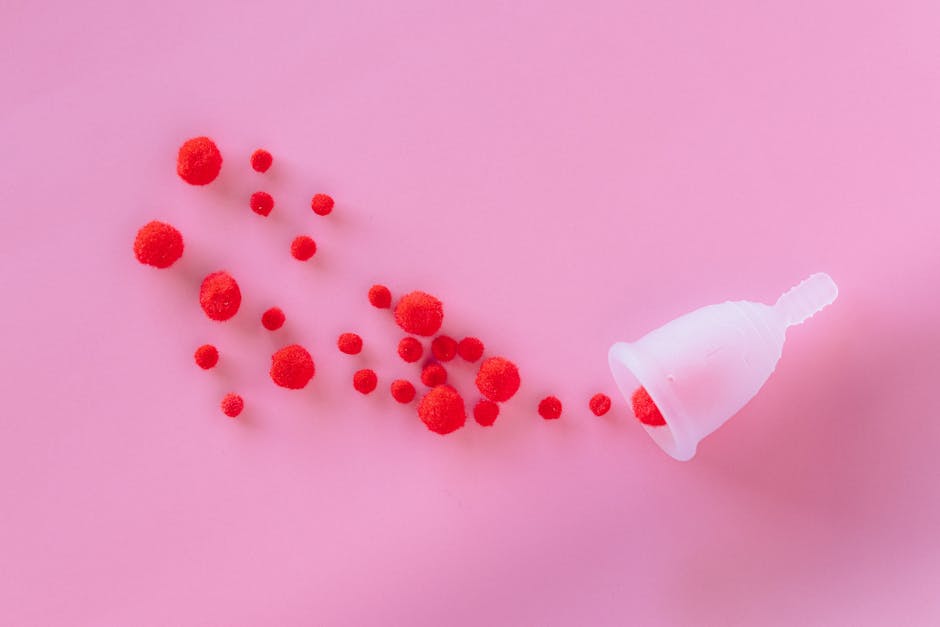
An overview of common menstrual disorders such as dysmenorrhea, menorrhagia, and PMS.
Your period shouldn’t control your life. At South Lake OB/GYN in Clermont, FL, we believe understanding your condition is the foundation for finding the right menstrual disorders treatment.
Common Types and Their Symptoms
Menstrual disorders come in many forms. Recognizing your symptoms is the first step.
Dysmenorrhea (painful periods) comes in two forms. Primary dysmenorrhea is common cramping caused by excess prostaglandins, which make the uterus contract. The pain usually starts with your period and lasts 2-3 days. Secondary dysmenorrhea starts later in life and is caused by an underlying condition like endometriosis, adenomyosis, or uterine fibroids. This pain often lasts longer and may be accompanied by other symptoms.
Premenstrual Syndrome (PMS) involves physical and emotional changes like irritability, bloating, and breast tenderness in the week before your period. When these symptoms are severe enough to disrupt daily life, it’s known as Premenstrual Dysphoric Disorder (PMDD), a depressive disorder characterized by intense emotional symptoms like depression, severe anxiety, or anger.
Heavy Menstrual Bleeding (Menorrhagia) is defined by bleeding that soaks through one or more pads/tampons hourly, needing to change protection at night, or passing clots larger than a quarter. This can lead to anemia, causing fatigue and weakness.
Irregular periods include:
- Amenorrhea: Missing three or more periods in a row.
- Oligomenorrhea: Infrequent periods (more than 35 days apart).
- Other irregularities: Cycles shorter than 21 days, lasting longer than seven days, or varying significantly in length.
Causes and Risk Factors
Targeting the root cause is key to an effective menstrual disorders treatment plan.
- Prostaglandins: An overproduction of these hormone-like substances is the main cause of primary dysmenorrhea.
- Hormonal imbalances: An out-of-sync relationship between estrogen and progesterone can trigger PMS/PMDD and cause irregular or absent periods.
- Structural conditions: Endometriosis (tissue growth outside the uterus), uterine fibroids (non-cancerous growths), adenomyosis (uterine lining growing into the muscle wall), and Polycystic Ovary Syndrome (PCOS) can all cause significant menstrual problems.
- Lifestyle and Age: High stress, significant weight changes, and poor nutrition can worsen symptoms. Irregular periods are normal when menstruation first begins and during perimenopause.
- Other factors: Certain medications, copper IUDs, pelvic inflammatory disease, thyroid disorders, and bleeding disorders can also affect your cycle.
The Diagnostic Process
Accurate diagnosis is essential. We start with a detailed medical history and review of your symptoms, often aided by a menstrual diary you keep for a few months. A physical and pelvic exam helps check for abnormalities.
- Blood tests can check for anemia, thyroid issues, and hormonal imbalances.
- A pelvic ultrasound uses sound waves to create images of your reproductive organs, helping us spot fibroids or cysts.
- Hysterosonography (saline-infused ultrasound) or hysteroscopy (a thin camera) can provide a more detailed view inside the uterus.
- An endometrial biopsy may be performed to examine a tissue sample from the uterine lining if there are concerns about abnormal cells.
- In some cases, laparoscopy (a minimally invasive surgery) is needed to diagnose conditions like endometriosis.
Comprehensive Menstrual Disorders Treatment Options

A flat lay of various home remedy items like a heating pad, herbal tea, and dumbbells, alongside blister packs of medication, symbolizing a holistic approach to menstrual disorders treatment.
Once we’ve identified the cause of your symptoms, we’ll create a treatment plan that fits your life and preferences. At South Lake OB/GYN, we believe in shared decision-making, starting with the least invasive options first. This collaborative approach is supported by leading organizations like the American College of Obstetricians and Gynecologists in their ACOG guidelines on managing premenstrual disorders.
Home and Lifestyle-Based Menstrual Disorders Treatment
Simple home remedies and lifestyle adjustments are a powerful first step for managing PMS and mild to moderate cramps.
- Heat therapy: A heating pad or warm bath relaxes cramping uterine muscles.
- Gentle exercise: Activities like walking or yoga can release endorphins, your body’s natural pain relievers.
- Stress management: Techniques like meditation and deep breathing help balance hormones.
- Dietary changes: Limiting salt and sugar while increasing fiber and water can reduce bloating and cramping. For heavy bleeding, focus on iron-rich foods (lean meat, spinach) with vitamin C.
- Sleep hygiene: Consistent, quality sleep is crucial for hormone regulation and pain management.
- Dietary supplements: Research supports using Calcium for physical and emotional symptoms, Magnesium for cramping, and Vitamin E for pain.
Medications for Menstrual Disorders
When lifestyle changes aren’t enough, medications offer effective menstrual disorders treatment.
- NSAIDs: Over-the-counter nonsteroidal anti-inflammatory drugs like ibuprofen (Advil) and naproxen (Aleve) reduce prostaglandin production, directly addressing the cause of cramps and helping to decrease heavy bleeding.
- Tranexamic acid (Lysteda): This non-hormonal medication specifically reduces heavy menstrual bleeding by helping blood clot more effectively.
- Hormonal birth control: These methods regulate hormones to reduce pain, lighten bleeding, and make cycles more predictable. Options include combined oral contraceptive pills, the hormonal IUD (Mirena), progestin-only options (pills, injection, implant), the contraceptive patch, and the vaginal ring.
- GnRH agonists and antagonists: For severe cases of endometriosis or heavy bleeding, these medications temporarily stop your menstrual cycle. We typically use them for short durations.
- Iron supplements: If heavy bleeding has caused anemia, iron supplements are essential to restore energy levels.
Surgical Procedures for Menstrual Disorders Treatment
Surgery is considered when medications haven’t provided relief, when structural issues are present, or when you desire a definitive solution and are certain about your fertility plans.
- Dilation and Curettage (D&C): Can quickly stop acute heavy bleeding but is not a long-term solution.
- Endometrial ablation: Destroys the uterine lining to reduce or stop bleeding. This procedure is only for women who do not desire future pregnancies.
- Procedures for uterine fibroids: Myomectomy surgically removes fibroids while preserving the uterus. Other options include uterine artery embolization and focused ultrasound to shrink fibroids.
- Hysterectomy: The surgical removal of the uterus is a definitive, permanent solution for heavy bleeding and uterine pain. It is a last resort after all other appropriate treatments have been explored.
Our recommendations are informed by comprehensive evidence, such as the NICE guidance on heavy menstrual bleeding management.
Advanced Management and Special Considerations

A compassionate doctor consulting with a patient, showing a tablet with a diagram of the female reproductive system, emphasizing personalized care.
At South Lake OB/GYN, our commitment goes beyond initial diagnosis. We focus on advanced, individualized care and long-term management to improve your quality of life.
Menstrual Suppression: When and How
Reducing or stopping periods, known as menstrual suppression, can be a life-changing menstrual disorders treatment. We may consider it for:
- Hygiene challenges due to physical or cognitive disabilities.
- Gender dysphoria in transgender and gender-diverse patients.
- Medical conditions like severe endometriosis or adenomyosis.
- Patient preference for personal reasons.
We can achieve suppression using hormonal therapies like continuous oral contraceptive pills (OCPs), the Depo-Provera injection, the etonogestrel implant, or a levonorgestrel-releasing IUD (LNG-IUD). Some irregular spotting, or breakthrough bleeding, is common in the first few months as your body adjusts.
Treating Underlying Structural Conditions
For many menstrual disorders, the most effective treatment is to address the root cause. Conditions like endometriosis, uterine fibroids, and adenomyosis often require targeted therapies. Treatment can range from hormonal medications that suppress symptoms to minimally invasive procedures or surgery (like myomectomy or hysterectomy) to remove or treat the structural problem, depending on the condition’s severity and your personal health goals.
Considerations for Diverse Patient Needs
Our philosophy is to provide compassionate, inclusive care for everyone.
- Adolescents: We approach menstrual management with extra care, providing supportive guidance and ensuring comfort. The LNG-IUD is a safe and effective option for menstrual management in this age group.
- Transgender and gender-diverse patients: We recognize that menstruation can be a source of gender dysphoria and offer menstrual suppression as a crucial part of gender-affirming care. We discuss all options, including hormonal therapies and the fact that testosterone therapy often leads to amenorrhea.
- Patients with disabilities: Our goal is to maximize autonomy and dignity. We work closely with patients and their designated decision-makers to choose treatments that simplify hygiene and ensure comfort.
Frequently Asked Questions about Menstrual Disorder Treatments
It’s natural to have questions about your health. At South Lake OB/GYN, we believe in providing clear answers to empower you.
How do I know which treatment is right for me?
Choosing the right menstrual disorders treatment is a collaborative decision between you and your doctor. There is no single best answer, so we create a personalized plan based on:
- Your specific disorder: Treatment for painful periods differs from treatment for heavy bleeding or PMS.
- Symptom severity: We tailor the approach to how much your symptoms impact your daily life.
- Overall health: We consider other medical conditions and medications to ensure safety.
- Fertility plans: Your desire for future pregnancies is a key factor in our recommendations.
- Lifestyle and preferences: The best treatment is one that fits your daily routine and values.
At South Lake OB/GYN in Clermont, FL, we discuss all options, including their benefits and risks, to find the path that’s right for you.
Are there permanent solutions for menstrual disorders?
Yes, for some conditions, permanent solutions are available. These are typically considered for severe symptoms when other treatments haven’t worked.
- Endometrial ablation is a procedure that destroys the uterine lining to permanently reduce or stop bleeding. It is only for women who are certain they do not want future pregnancies.
- A hysterectomy (surgical removal of the uterus) permanently cures heavy bleeding and uterine pain but also ends fertility.
- Treating the underlying cause, such as surgically removing uterine fibroids (myomectomy), can also offer a lasting solution.
We will have a thorough discussion about the implications of these permanent solutions, including their impact on fertility and other risks and benefits, to ensure you feel fully informed.
Can lifestyle changes alone cure my menstrual disorder?
Lifestyle changes are a powerful and often first-line menstrual disorders treatment, especially for PMS and mild period pain. Regular exercise, a balanced diet, and stress reduction can significantly improve symptoms and quality of life.
However, for disorders caused by structural issues (like large fibroids or endometriosis) or severe hormonal imbalances, lifestyle changes alone may not be enough to “cure” the condition. In these cases, they serve as an essential complement to medical treatment, helping to optimize your overall health and improve the effectiveness of medications or procedures. We often recommend a holistic approach that blends lifestyle modifications with other appropriate treatments.
Take Control of Your Health
Living with the pain, heavy bleeding, or unpredictable cycles of a menstrual disorder can feel overwhelming, but you don’t have to face it alone. At South Lake OB/GYN in Clermont, FL, we are dedicated to providing personalized, compassionate care in a supportive, family-like atmosphere where you will feel heard and understood.
While menstrual disorders treatment has advanced significantly, research continues. We are committed to staying at the forefront of gynecological care to ensure you have access to the most current and effective options available.
Don’t let menstrual disorders dictate your life. Take the first step towards proactive management and reclaiming your well-being. We’re here to help you explore your options and find a solution that brings you comfort and peace of mind.
Ready to learn more? Visit our website for more information on our gynecology services: More info about our gynecology services.